
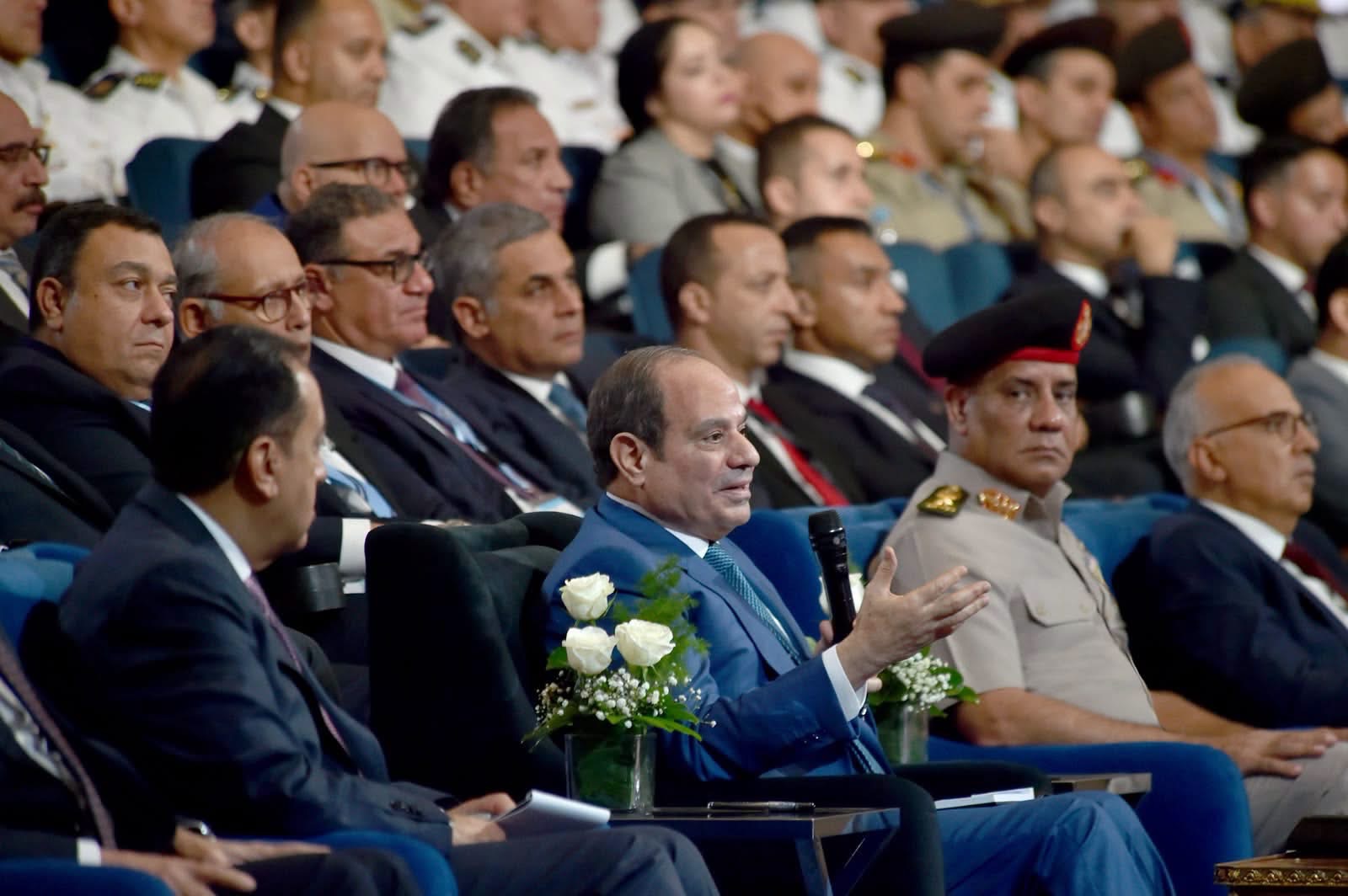
Egypt’s President Abdel Fattah Al-Sisi recently emphasized that Egypt’s military efforts are aimed solely at protecting Saudi Arabian territory and do not involve any offensive actions against Yemen. He affirmed that Egypt would extend its defense to any other Arab country that seeks assistance, reiterating the commitment to regional security and stability.
Military Commitment to Regional Security
During his address at the Homeland and Citizen Security session of the Egypt Forum 2026, Al-Sisi articulated that the protection of Saudi borders is a priority for Egypt. He clarified that the military initiative is limited to the borders of Egypt and allied Arab nations, with a focus on safeguarding stability within the Gulf region. Al-Sisi stressed the concept of collective Arab national security, asserting that the well-being of Gulf states directly impacts Egypt’s own security landscape. He also highlighted the urgency of reinstating stability in other Arab nations such as Sudan, Libya, and Somalia, underscoring the need for unified efforts in the face of regional turmoil.
Al-Sisi’s comments come at a time when the regional dynamics are complex, and security concerns abound. He pointed to the various risks faced by Egypt, extending beyond immediate threats such as issues surrounding the Ethiopian dam. The main goal conveyed was not merely military intervention but a proactive stance toward fostering a stable regional environment.
Lessons from the Past and State Resilience
Reflecting on the events of 2011, Al-Sisi discussed the ongoing threats aimed at state institutions in Egypt. He described the armed forces and the Interior Ministry as crucial pillars for national security, noting that challenges to these institutions have persisted. He cautioned against the targeting of security bodies, linking it to broader efforts aimed at undermining the state. According to Al-Sisi, preserving state structures is essential for avoiding national collapse, which often leads to severe repercussions for citizens.
He also reminded the audience of the importance of public perceptions regarding security forces. Al-Sisi called for continuous communication between the state and the population, advocating for initiatives aimed at improving the image of security institutions, affirming the need for trust and collaboration. This approach is seen as vital for enhancing the overall security infrastructure and ensuring that citizens remain engaged and informed.
Reform and Crisis Management Initiatives
In addition to his remarks on military and national security, Al-Sisi outlined plans for reforming the penal system, emphasizing the shift from traditional prisons to rehabilitation centers. This initiative stems from ethical and humanitarian motivations aimed at reintegrating former convicts into society. Al-Sisi highlighted the necessity of modernizing these institutions to prevent repeat offenses and foster productive citizenship.
He also discussed the establishment of the National Authority for Crisis and Emergency Management, which serves as a vital support mechanism for addressing emergencies within Egypt. This authority is designed to enhance state responsiveness and operational efficiency during crises, creating a systematic and proactive approach to national governance.
Through these initiatives, Al-Sisi aims to bolster the resilience of both the state and its institutions, ensuring that they can withstand internal and external pressures alike.
Strategic Foreign Relations
On the foreign policy front, Al-Sisi reiterated Egypt’s principles of non-interference and maintaining balanced international relations. He emphasized the importance of strategic partnerships while urging caution against acting under public pressure. Furthermore, he addressed regional issues such as the ongoing conflicts in Sudan and the Palestinian situation, reinforcing Egypt’s commitment to supporting stability and humanitarian needs.
Al-Sisi’s administration has also worked to solidify relations with countries across the Nile Basin, emphasizing cooperation over competition regarding water resources. With a proactive stance on promoting development within the region, Egypt seeks collaborative solutions to shared challenges, particularly concerning water security.
In conclusion, Al-Sisi’s remarks reflect a multifaceted approach to Egypt’s national and regional security, outlining strategies that encompass military readiness, institutional reform, crisis management, and proactive foreign relations. Such efforts are essential as Egypt navigates the complexities of regional dynamics while ensuring the security and stability of its sovereignty and the broader Arab community.