
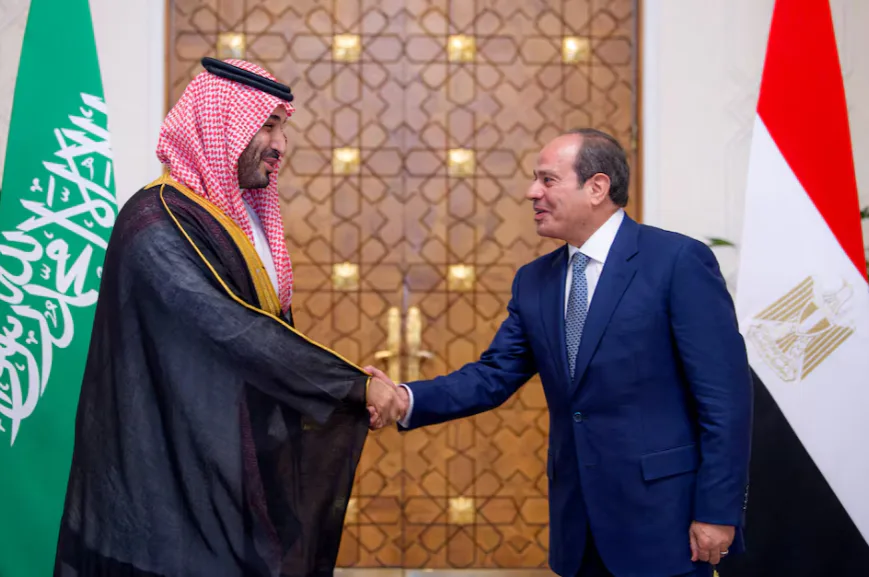
Egyptian President Abdel Fattah el-Sisi has announced his willingness to offer military support to Saudi Arabia for the protection of its territory and borders. However, he emphasized that Egypt will refrain from engaging in any offensive operations against Yemen. This declaration comes as tensions escalate in the region, particularly due to ongoing attacks from Iranian-backed Houthi forces targeting Saudi positions.
Military Support for Saudi Arabia
El-Sisi affirmed that Egypt is prepared to not only defend Saudi Arabia but extend its military assistance to other Arab nations if they seek help. However, he clarified that Egyptian forces would restrict their operations to the borders of the nations they are protecting, ensuring that no military actions will take place beyond those areas. This stance shows Egypt’s commitment to the security of its allies without overstepping into aggressive engagements.
Recent developments indicate a concerning rise in hostilities as Houthi forces continue to launch attacks against various Saudi Arabian targets. One significant incident involved an attack on Saudi Aramco’s headquarters, demonstrating the risks of escalated conflict in the area. In light of these threats, Egyptian Foreign Minister Badr Abdelatty and intelligence chief Hassan Rashad recently visited Riyadh to engage in discussions with Crown Prince Mohammed bin Salman. This meeting emphasized the ongoing collaboration between the two nations in addressing security challenges.
Decisions Pending on Military Authorization
During their discussions, the Egyptian delegation delivered a formal message from President el-Sisi to King Salman, reinforcing Egypt’s solidarity with Saudi Arabia and its commitment to supporting the kingdom’s security. In a move to assess the situation further, the Egyptian parliament had previously decided to postpone a vote until October 26. This vote is crucial for authorizing the army to provide military assistance to Saudi Arabia should the need arise.
The worsening relationship between the Houthis and the Saudi-led coalition poses a significant threat to the stability of the region. Increased violence not only puts local populations at risk but could also have broader implications for global energy markets. As tensions rise, Egypt’s decision to possibly deploy military forces will be closely monitored by international observers, who recognize the importance of stability in the Middle East.
Egypt’s current position highlights a strategic balance between offering support and avoiding direct military engagement in the Yemeni conflict. As regional dynamics evolve, Cairo’s decisions will play a critical role in shaping the future landscape of Middle Eastern security and political alliances. The situation remains fluid, and any further developments could impact both regional stability and global energy supplies in the months ahead.
In summary, Egypt’s readiness to assist Saudi Arabia while maintaining a defensive posture underscores its commitment to cooperative security amongst Arab nations. As the region grapples with increasing hostilities, the future of military alliances and diplomatic relations will be pivotal in addressing the challenges posed by groups such as the Houthis.