
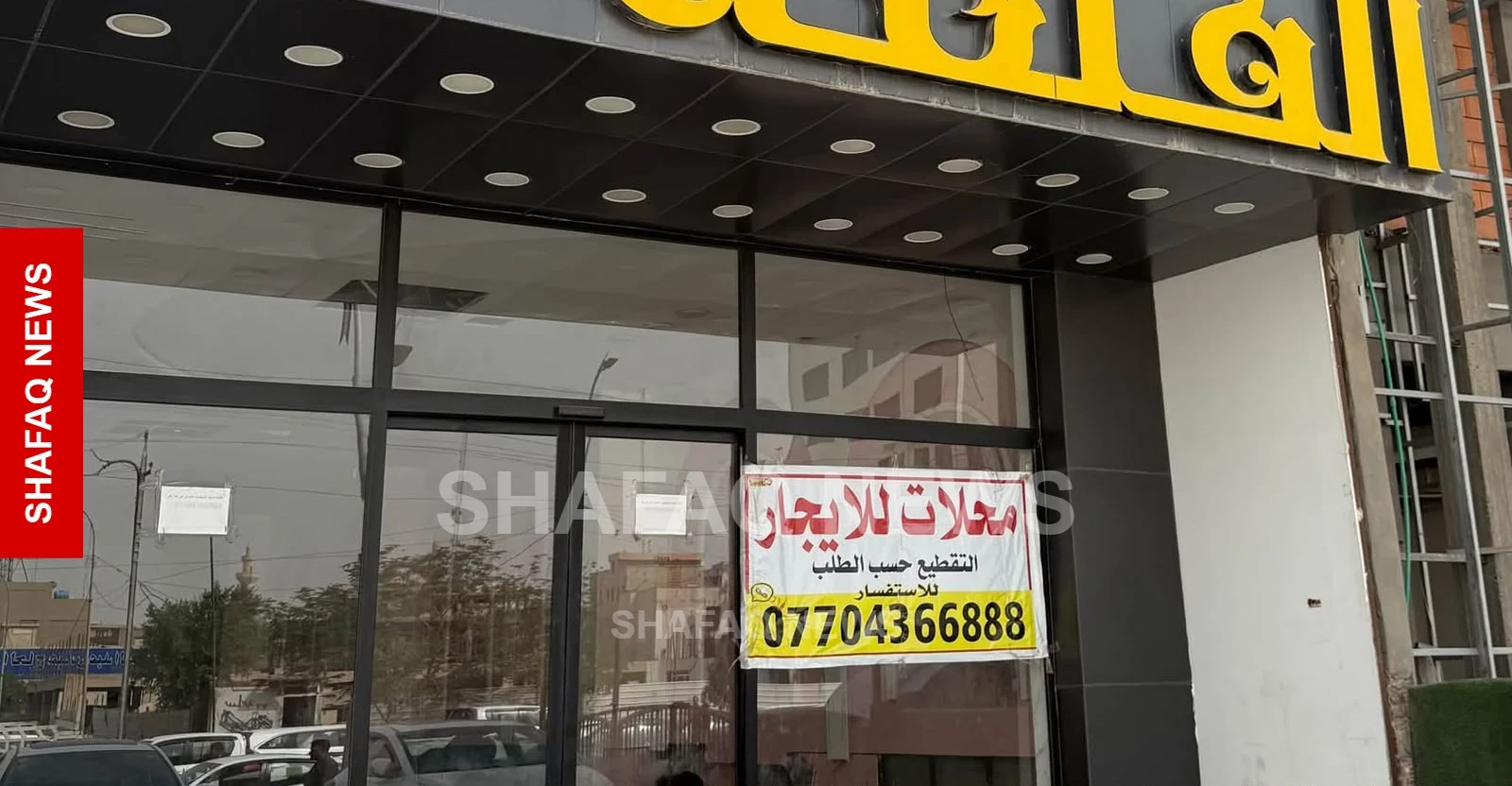
In Al-Anbar, Iraq, the recent devaluation of the Iraqi dinar has created significant challenges for local traders. As the value of the dinar fell sharply, businesses are grappling with financial strain and declining sales, leading to a distressing wave of layoffs and closures.
The Impact of Currency Devaluation on Local Businesses
Following the Central Bank of Iraq’s decision to raise the official dollar selling rate from 1,320 to 1,520 dinars on October 7, traders in Ramadi reported losses of up to 16%. This shift not only inflated the cost of dollar-denominated transactions but also placed additional economic pressure on businesses already struggling with high operating expenses. Many shop owners, unable to keep pace with increasing costs, are facing tough decisions about their futures.
Mohammed Al-Kubaisi, a local businessman, highlighted the struggles faced by commercial agents who imported goods on deferred dollar payments. These traders often sold their inventory at previous rates, only to encounter hurdles settling debts with foreign suppliers. Compounding their plight, many retailers are unable to raise prices in line with higher costs, as the market prices of goods remain relatively fixed, squeezing their profit margins further.
Rising Operating Costs and Consumer Spending Pressures
The burden of operating a retail business has become increasingly challenging. Hamza Ahmed, a local shop owner, outlined expenses such as 700,000 IQD for monthly rent, 150,000 IQD for generator electricity, and 500,000 IQD for employee wages. Such mounting costs have led some business owners to consider relinquishing their storefronts altogether. Beyond rent and wages, additional financial obligations such as taxes, utility bills, and licensing fees are exacerbating the situation, forcing some establishments to downsize their workforce or close completely.
Simultaneously, consumer spending is also taking a hit. High prices and a declining wage value are weakening purchasing power, resulting in reduced consumer confidence. Those employed find themselves unable to afford basic necessities and local market goods after paying for essential household expenses. This downturn inevitably affects sales, creating a vicious cycle of declining demand and increased financial strain on businesses.
The Need for Economic Intervention
Economist Ahmed Al-Karbouli warned that the economic pressures could create a self-perpetuating cycle of decline. Higher import costs and reduced cash flow for traders hinder their ability to restock inventory while weak consumer demand makes it difficult to adjust prices without losing clientele. This issue could result in a broader economic slowdown, leading to more layoffs and business closures, alongside its social implications.
To alleviate these financial burdens, suggestions have been made to lower shop rents to around 500,000 IQD and generator charges to a more manageable 5,000 IQD per ampere. Additionally, approving the federal budget and ensuring timely payments to contractors and farmers could circulate liquidity within local markets, fostering commercial activity and restoring some economic stability.
In conclusion, Al-Karbouli’s call for reduced operational costs, lowered fees, and a more stable trade environment underscores the urgency for strategic interventions. Such measures could enhance business confidence, revitalize purchasing power, and ultimately support the economic growth needed in Al-Anbar Province.