
Israel’s recent military actions have led to significant controversy and concern. Reports indicate that around 2,000 Palestinians in Hebron, located in the southern occupied West Bank, have been forcibly displaced from their homes. This situation reflects ongoing tension in the region amid ongoing military operations.
Israeli Forces Confirm Displacement in Hebron
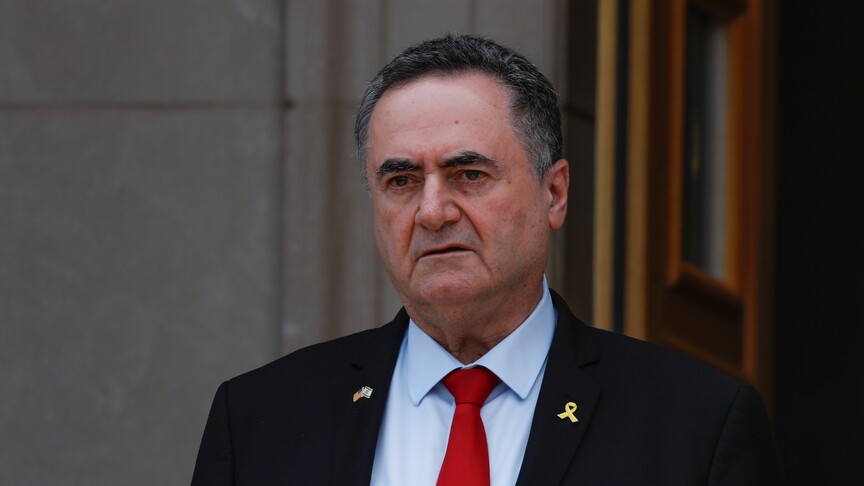
On Saturday, Israel’s Defense Minister, Israel Katz, addressed the media, confirming the forced relocation of nearly 2,000 Palestinians in Hebron. He asserted that these residents would not be permitted to return home until the Israeli military had successfully dismantled what he referred to as “Hamas infrastructure” in the area. This statement highlights the Israeli government’s stance on maintaining security while managing the tensions resulting from the ongoing conflict.
The situation in Hebron has been exacerbated by military operations that have severely disrupted local life. Educational institutions were compelled to suspend classes, with Hebron’s education directorate announcing school closures for Sunday and Monday. Moreover, adult education programs at Hebron University and Al-Quds Open University have transitioned to online platforms in response to the turmoil. The local municipality has also reported issues related to waste disposal, as city entrances remain sealed, hindering access to necessary services.
Ongoing Military Operations and Impact on Local Communities
The Israeli military sealed off specific areas of Hebron and the nearby city of Halhul on Friday following an incident where two Palestinians allegedly attacked an Israeli checkpoint. The violent altercation resulted in the deaths of two Israeli soldiers and injuries to three others. In retaliation, Israeli forces killed both of the attackers involved in the incident. This sequence of events has contributed to heightened military presence in the region.
The Israeli army announced that the operation would last several days, involving multiple branches of its security forces, including Shin Bet and Border Police. A strong military response indicates the scale of the operation, which aims to restore order but also disrupts the everyday lives of Palestinian residents.
Wider Context of Violence in the Occupied West Bank
The recent events in Hebron form part of a broader pattern of escalating violence in the occupied West Bank and East Jerusalem. Since October 2023, following the onset of an intensive Israeli military campaign against the Gaza Strip, the region has witnessed increasing Airstrikes, the targeting of civilians, and widespread property destruction. This conflict has manifested itself in numerous forms, including the killing and detention of Palestinian individuals, demolition of homes, arson attacks on places of worship and vehicles, and severe restrictions on agricultural activities.
Furthermore, the expansion of illegal settlements and other territorial encroachments has caused additional displacement of Palestinian communities. These ongoing military actions have sparked global concerns about human rights violations and the rights of displaced individuals in the region. The international community continues to call for resolutions that prioritize peace and security for all communities affected by this prolonged conflict.
As tensions remain high, the situation continues to evolve, necessitating careful attention to the humanitarian implications for both Israelis and Palestinians. The consequences of military actions extend beyond immediate security concerns, affecting education, sanitation, and community stability, escalating the urgency for a long-term resolution to the conflict.