
Alarming Use of Electroshock Weapons in Palestine
Recent investigations have unveiled that Israeli authorities are employing U.S.-made electroshock devices on Palestinian detainees. This revelation raises significant concerns, particularly given the involvement of the American company Axon, which continues to supply Tasers despite growing evidence that these weapons have been utilized in torture. The grim context includes the recent detention of American volunteers, including lawmakers, who were in the area assisting Palestinians with the olive harvest. In a related incident, photojournalist Heidi Levine detailed her harrowing experience of assault by Israeli settlers.
Human Rights Concerns
Human rights organizations have expressed outrage over these allegations, condemning the mistreatment and torture of detainees in Israeli facilities. Amnesty International has called for robust restrictions on the export of electroshock weapons, emphasizing their potential for abuse in interrogation practices. In a statement, the Israel Defense Forces maintained that any mistreatment of detainees is against their regulations, yet evidence points to a troubling pattern of human rights abuses that contradict this claim.
Recent Detentions and Ongoing Violence
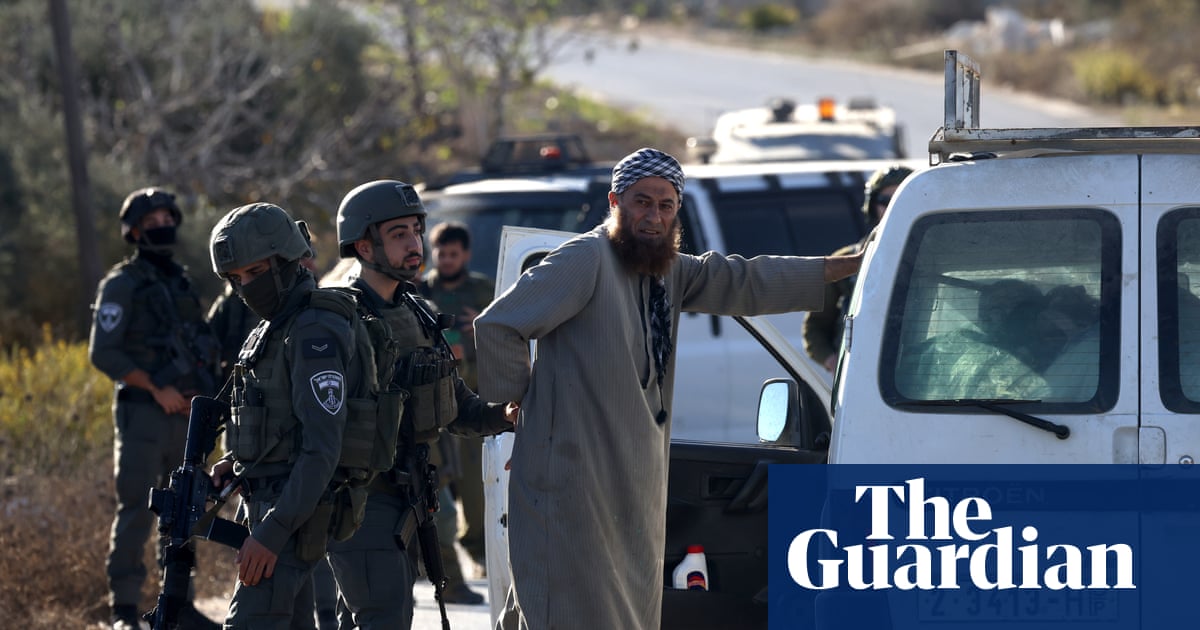
In a separate but equally alarming situation, Israeli military forces detained approximately 80 U.S., Israeli, and British volunteers near Bethlehem while they were helping with the olive harvest. Notably among those detained was Brad Lander, a Democratic congressional candidate from New York. The military justified their actions by declaring the area as closed for security reasons, which many see as a pretext for disrupting aid efforts.
Further compounding the violence in the region, Heidi Levine recounted how she was violently attacked by Israeli settlers while on assignment. Local Palestinians intervened to protect her, using slingshots to fend off her assailants. Such incidents underscore the perilous conditions for both locals and international observers in the West Bank.
Diplomatic Tensions in the Middle East
In parallel developments, the U.S. State Department has instructed some diplomats and their families to evacuate from Saudi Arabia due to increasing hostilities, including frequent attacks from the Houthi forces in Yemen. Similar directives have emerged concerning diplomats in various Middle Eastern countries, showcasing a growing sense of urgency amid escalating regional tensions.
In the context of the U.S.’s involvement in the region, these incidents highlight the complexity of diplomatic relations amid human rights concerns. The reality on the ground suggests a critical need for international attention and action to ensure that the rights and safety of detainees are safeguarded.
As the situation develops, it remains crucial for advocates and governments alike to demand accountability and transparent dialogue regarding the use of electroshock weapons and the treatment of detainees in conflict zones. The ongoing dialogue surrounding these pressing issues will play a pivotal role in shaping future international policies.