
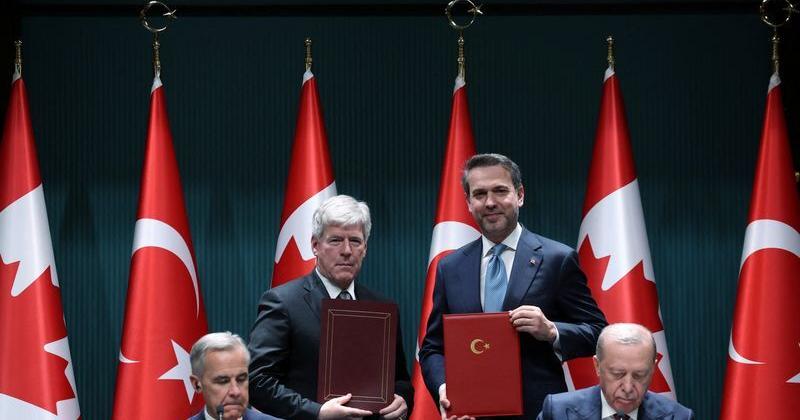
In recent years, international collaborations in energy have gained significant traction, and a notable partnership recently emerged between Turkey and Canada. This alliance promises to enhance energy resource management, benefiting both nations and potentially reshaping the energy landscape.
Strengthening Energy Ties between Turkey and Canada
The meeting between Turkey’s Energy and Natural Resources Minister, Alparslan Bayraktar, and Canada’s Minister of Energy and Natural Resources, Tim Hodgson, marked a pivotal moment in diplomatic relations. Accompanied by Turkish President Recep Tayyip Erdogan and Canadian Prime Minister Justin Trudeau, both leaders engaged in discussions aimed at fostering deeper cooperation in the energy sector. This partnership is expected to streamline processes in energy production and distribution, while also promoting sustainable practices.
This collaboration not only highlights the importance of bilateral relations but aims to tackle some of the pressing challenges faced by both countries, such as transitioning to renewable energy sources and ensuring energy security. Turkey’s strategic location as a bridge between Europe and Asia, combined with Canada’s vast natural resources, presents a unique opportunity for both nations to capitalize on each other’s strengths.
Innovations in Sustainable Energy
The ongoing dialogues revolve around innovative technologies designed to improve energy efficiency and reduce carbon emissions. Both Turkey and Canada are heavily invested in advancing renewable energy initiatives and are keen on sharing best practices. This exchange will not only accelerate the pace of sustainable energy adoption but also foster economic growth through new job opportunities in clean energy sectors. As the world shifts toward greener alternatives, this collaboration could serve as a model for other countries seeking to balance economic development with environmental stewardship.
Additionally, focusing on energy storage solutions and smart grid technology can significantly enhance both countries’ energy infrastructure. Such advancements will help manage demand fluctuations and facilitate the integration of renewable sources into the grid. The Turkish government’s commitment to boosting its renewable energy portfolio aligns well with Canada’s endeavors in cutting-edge energy technologies, making this partnership a timely and essential development.
Impact on International Energy Markets
As Turkey and Canada deepen their energy ties, the implications for international energy markets could be noteworthy. Both nations are positioned to play a more influential role on the global energy stage, particularly in the realm of renewable resources. The collaboration could lead to competitive pricing structures and diversified energy portfolios, ultimately stabilizing markets that have been historically volatile.
The partnership also opens avenues for investments in infrastructure projects, such as pipelines and renewable energy facilities. Such initiatives are likely to spur economic growth not only in Turkey and Canada but also in neighboring regions. By creating a unified energy strategy, both countries can enhance energy independence, which is becoming increasingly critical in today’s geopolitical environment.
In summary, the recent engagement between Turkey and Canada in the energy sector underscores a growing trend of international collaboration designed to address global energy challenges. By leveraging each country’s unique strengths, they are laying the groundwork for a sustainable future, while also aiming to stabilize energy markets on a broader scale. As these discussions progress, the focus on renewable energy innovation promises to position both countries as leaders in the global energy transition.