
A prominent museum in the UK has recently taken a significant step by removing ancient Egyptian human remains from its exhibitions. This decision stems from the absence of documented consent from the individuals whose remains were on display, raising crucial ethical concerns in how such artifacts are treated in modern-day institutions.
Ethical Considerations in Museum Practices
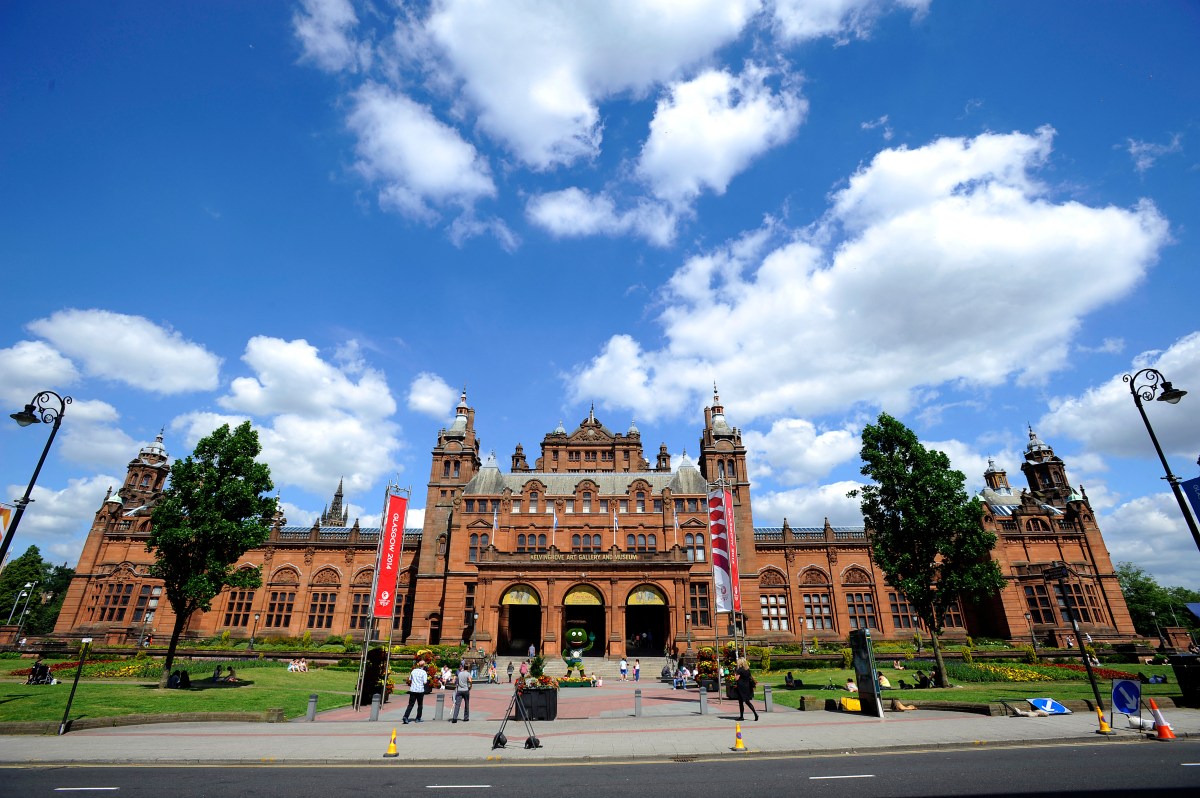
The Kelvingrove Art Gallery and Museum in Glasgow, Scotland, has implemented this removal in accordance with a draft policy aimed at ensuring the respectful treatment of human remains. The museum’s operator, Glasgow Life, announced more withdrawals are planned, extending the initiative to other museums within the city. This aligns with a broader contemporary museum practice, as explained by a spokesperson for Glasgow Life, reflecting a growing trend to prioritize dignity and respect for human remains.
The revised Code of Ethics from the International Council of Museums emphasizes that museums should honor the inherent dignity of human remains and recognize their significance. Furthermore, the report titled “Laying Ancestors to Rest” from the All-Party Parliamentary Group on Afrikan Reparations outlines ethical concerns regarding the display of ancient Egyptian human remains. It highlights the need to consider the potential wishes of ancestors and the communities that laid them to rest.
Proposed Guidelines for Displaying Human Remains
Glasgow Life Museums’ draft Human Remains Policy articulates that human remains may only be displayed where documented and informed consent from the deceased or their descendants is available. In the absence of such consent, the practice of removing human remains from display is viewed as a more respectful approach. The museum has already withdrawn items including a painted coffin containing the remains of priest Nekht, a mummified male head, and a mummified right foot, among others.
This thoughtful action has, however, attracted criticism from some local politicians, including Murdo Fraser, a Scottish Conservative member of the Scottish Parliament. He labeled the decision as “woke madness,” arguing it reflects a societal obsession with modern sensibilities that obscures historical education. He contended that people visit museums to learn about ancient civilizations, urging that Glasgow’s museums should present history rather than hide it in response to political correctness.
The Impact on Museum Visitors and Public Sentiment
In response to the changes at Kelvingrove, Glasgow Life confirmed that efforts would also be made to remove additional archaeological human remains from the museum’s other exhibitions. A sign at the museum noted: “We have removed human remains from this display as a mark of respect,” indicating a conscious effort to engage visitors in understanding the shift towards ethical considerations.
Kelvingrove Art Gallery and Museum has a rich history, having opened in 1901 as part of the Glasgow International Exhibition, and it has been a significant venue for civic art and history. Its diverse collections, which include everything from fine art to ancient Egyptian artifacts, have drawn visitors for over a century. However, navigating the complexities of modern ethical standards in exhibiting human remains poses a challenge for such historical institutions.
In conclusion, this removal of Egyptian mummies from display underscores a larger discourse surrounding ethics, consent, and the treatment of human remains in museum contexts. As institutions continue to evolve, balancing public education with respect for cultural and ethical standards will remain a critical aspect of museum practice.