
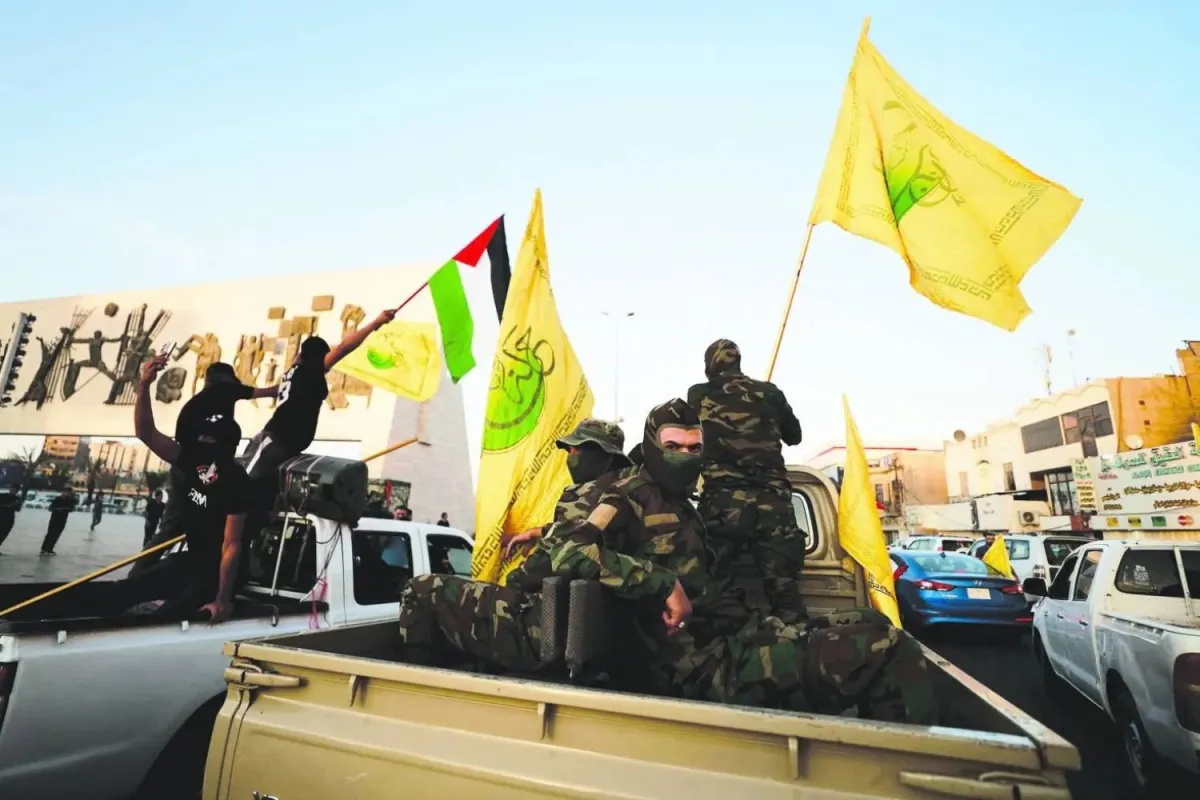
Fears are escalating in Iraq regarding the potential resurgence of armed factions that refuse to relinquish their weapons. This resistance raises concerns about a renewed conflict with Iran and the revival of the so-called “Axis of Resistance.” Amid increasing security and political strains, Baghdad is under pressure to prevent attacks on regional targets originating from Iraqi territory.
Stalemate in Negotiations
Political insiders associated with the Coordination Framework, a coalition of Iraq’s primary Shiite political groups, report that discussions aimed at disarming various factions and consolidating their weapons under state authority have stalled. Many factions are still in possession of rockets and drones and have thus far shown little willingness to comply with government directives. Despite this, some leaders within the coalition believe it is improbable that these factions would engage in attacks against neighboring nations in support of Iran, mainly due to the potential fallout for Prime Minister Ali al-Zaidi’s administration from both regional and international communities.
Nujaba’s Stance on Disarmament
The situation becomes more concerning with the staunch resistance from smaller armed groups, which may revive assaults that can be challenging to directly link to larger factions. Abdul Qadir al-Karbalai, the military deputy of the Harakat al-Nujaba movement, asserted that the group would not participate in the political process and would remain firm in its stance against surrendering its weapons. Al-Karbalai dismissed terms like “disarmament” and “handing over weapons,” emphasizing that the group views its arms as essential to its resistance posture. This unwavering position complicates the Iraqi government’s efforts to impose weapon control, as fears abound not only regarding political deadlock but also about the possible resurgence of attacks on regional targets.
Concerns Over ‘Shadow Factions’
Reports indicate heightened security measures due to worries about the emergence of so-called “shadow factions.” These small groups, typically composed of five to ten members, are thought to be involved in covert operations that make them difficult to trace. Al-Mada, an Iraqi newspaper, noted that the recent closure of the al-Sheeb border crossing with Iran was influenced by these security apprehensions. The movement of these factions appears to reflect a tactical shift, as they seek out less monitored areas for their activities. It is believed that attacks targeting other countries have started to shift, indicating a potential change in the operational landscape for these armed groups.
US Pressure and Economic Implications
The closure of the al-Sheeb crossing aligns with escalating pressure from the United States on Iraq regarding its trade relations with Iran. U.S. officials have reportedly urged Baghdad to consider closing additional border crossings, reflecting concerns over smuggling and potential security threats. Amid these pressures, Iraqi authorities are also dealing with domestic challenges, as a recent incident involving drones near an oil tanker has underscored the complexities surrounding security in the region. Moreover, Baghdad seeks to pursue diplomatic engagements to mitigate escalating tensions, with high-level discussions aimed at fostering a more stable regional environment. Iraq’s foreign minister has emphasized the importance of creating circumstances conducive to peaceful resolutions that can bolster security and stability in the region.