
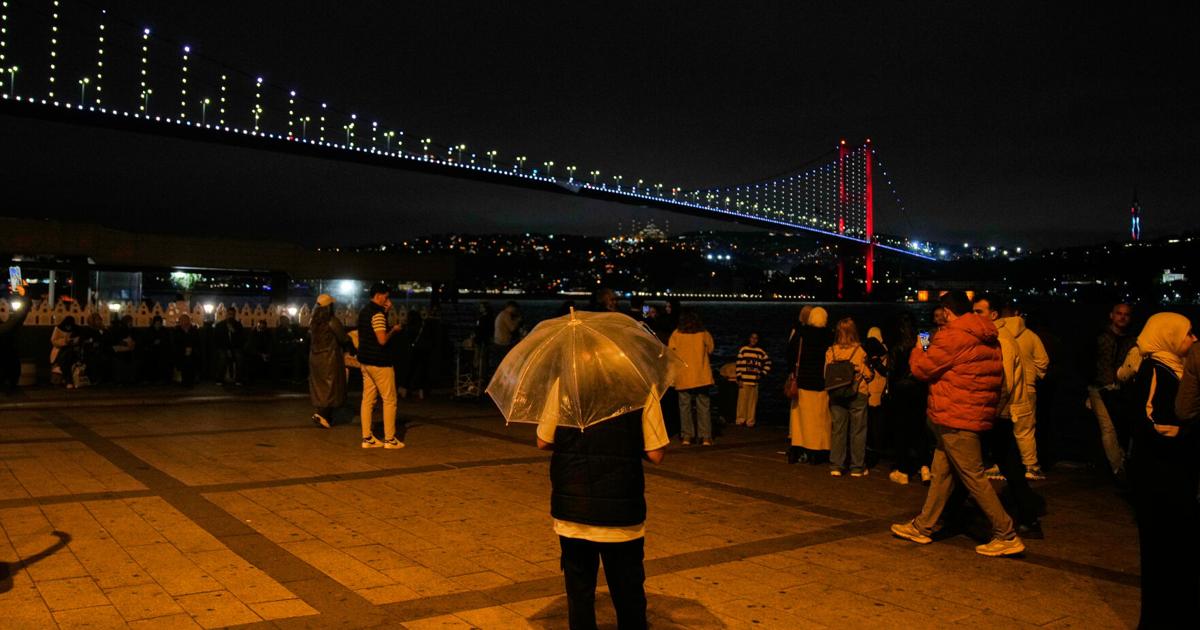
Celebrating historical milestones fosters a sense of community and pride. One such remarkable event was the 70th anniversary of the 1956 Hungarian Revolution, commemorated with a gathering along the picturesque Bosphorus waterfront in Istanbul, Turkey. This momentous occasion not only honored the sacrifices made during that pivotal time but also highlighted the enduring spirit of freedom and resilience.
The Significance of the 1956 Hungarian Revolution
The Hungarian Revolution of 1956 stands as a testament to the struggle for freedom against oppression. It was a nationwide revolt against the Soviet-backed policies of the People’s Republic of Hungary. The uprising began on October 23, 1956, and lasted until November 10, 1956, when it was violently suppressed by Soviet forces. The revolution was driven by a desire for political change, emphasizing democracy, national sovereignty, and social reform. Though the insurrection was ultimately quashed, it sparked significant discourse on the nature of totalitarian regimes, influencing future generations in their pursuit of liberty.
This anniversary serves as a powerful reminder of the resilience of those who fought for a better future. By commemorating these events, communities can reflect not just on their past, but also on the current state of human rights and democracy around the globe.
Commemoration Events Along the Bosphorus
On October 23, 2026, a vibrant gathering took place along the Bosphorus, where people from diverse backgrounds came together to honor the memory of the revolution. The iconic Bosphorus Bridge, a symbol of connection between continents, was dramatically illuminated to mark the occasion. This visual spectacle not only celebrated the historical significance of the event but also served to unify individuals within the community and beyond.
Participants engaged in various activities, ranging from speeches highlighting the legacy of the uprising to artistic performances that celebrated Hungarian culture and the broader themes of freedom and justice. These events fostered dialogue about the vital importance of civic responsibility in upholding democracy, and the gathering itself became a platform for contemporary discussions about political freedoms in our current world.
The Role of Collective Memory in Shaping Identity
The act of commemorating historical events reinforces collective memory, which plays a key role in shaping national identity. As people gathered along the Bosphorus to honor those who fought during the Hungarian revolution, they reflected on their shared values of justice, freedom, and democracy. Such gatherings bolster a sense of belonging and purpose, making it clear that the sacrifices made in the past continue to resonate today.
In an age where political unrest and oppression remain prevalent, these commemorations remind individuals of the strength found in unity. They encourage today’s generations to remain vigilant and active in advocating for their rights and the rights of others. By revisiting these significant moments in history, we can learn vital lessons that resonate with contemporary struggles, inspiring future actions that strive for a just society.
Looking Forward: Lessons from the Past
The 70th anniversary of the Hungarian Revolution serves not only as a commemoration of past struggles but as a call to action for current and future generations. It reminds us that the pursuit of freedom, democracy, and human rights is ongoing and requires the participation of each individual. As we reflect on the sacrifices of those who paved the way for future generations, we are also prompted to consider our responsibilities in today’s world.
By collectively honoring our histories, we can better navigate the future, ensuring that the spirit of resilience and determination continues to thrive in the face of adversity. Events like the one held along the Bosphorus not only celebrate a pivotal moment in history but also serve as a crucial reminder of our shared commitment to the ideals of liberty and justice for all.