
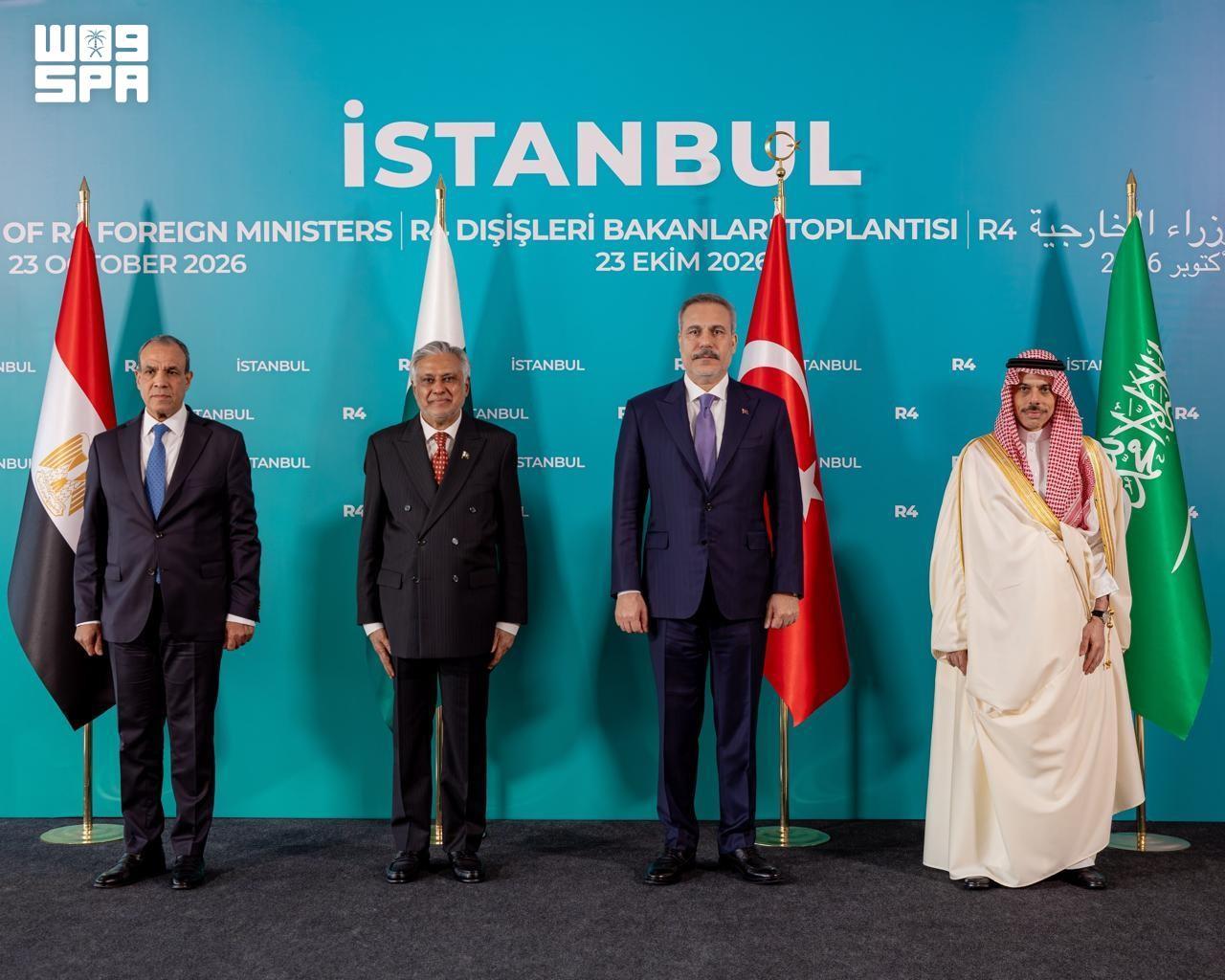
The ongoing Israeli occupation continues to be a significant destabilizing force in the Middle East, according to recent statements from key regional players like Saudi Arabia, Turkey, Egypt, and Pakistan. These countries highlight how the occupation not only affects local populations but also sows discord that can spread throughout the region.
Impact on Regional Security
The Israeli occupation has far-reaching implications for security across the Middle East. Both political and military tensions escalate as countries grapple with the consequences of unresolved conflicts. The occupation fosters resentment, which can lead to increased militant activities and a general atmosphere of distrust among nations. As these governments articulate, addressing the root causes of instability, particularly the ongoing occupation, is vital for long-term peace and security in the region.
Challenges for Diplomatic Relations
The Israeli-Palestinian conflict complicates diplomatic relations among neighboring countries. Saudi Arabia, Turkey, Egypt, and Pakistan have all expressed that the continuation of the occupation hinders constructive dialogue. Without addressing the fundamental grievances stemming from the occupation, efforts for reconciliation and cooperation among Middle Eastern nations will struggle. Therefore, the international community is called upon to facilitate negotiations aimed at ending the occupation and building bridges between conflicting parties.
The Role of International Players
International stakeholders must also analyze their roles in this complex situation. Many experts argue that external powers can either exacerbate or mitigate regional tensions based on their actions regarding the occupation. Countries, including the United States and various European nations, are urged to reassess their policies to promote a just solution. Encouraging dialogue, rather than taking sides, can contribute to reducing tensions and fostering regional cooperation.
Urgency for Action
The urgency for decisive action is echoed by the statements from Saudi Arabia, Turkey, Egypt, and Pakistan. As the situation continues to deteriorate, the potential for wider conflicts increases. The instability not only endangers the immediate region but can also set off repercussions globally. Addressing the Israeli occupation is not just a regional issue; it holds international significance that could reshape diplomatic relationships and global stability.
The call for a comprehensive resolution to the Israeli occupation cannot be overstated. By bridging divides and promoting understanding among affected nations, the pathway to a peaceful resolution becomes clearer. This quest for peace necessitates collaboration at all levels, emphasizing mutual respect and shared goals for stability and prosperity.