
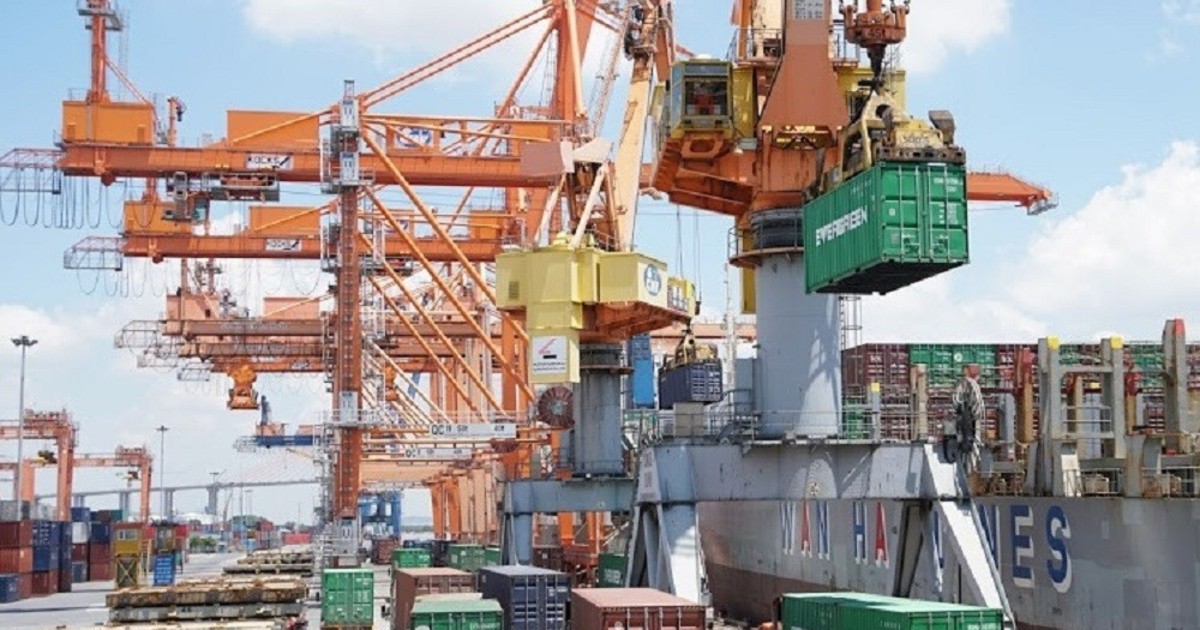
Ho Chi Minh City is at the forefront of fostering international trade, particularly with the recent seminar focused on the export opportunities brought about by the Vietnam–United Arab Emirates Comprehensive Economic Partnership Agreement (CEPA). This event, organized by the city’s Investment and Trade Promotion Centre in collaboration with the Import-Export Department of the Ministry of Industry and Trade, took place on October 23 and was designed to illuminate pathways for Vietnamese businesses eager to penetrate the UAE market and beyond.
Exploring the Economic Partnership
The seminar’s primary goal was to assist Vietnamese companies in taking full advantage of the tariff benefits and rules of origin stipulated in the CEPA. This agreement not only opens doors to the UAE market but also extends opportunities across the Gulf Cooperation Council (GCC) nations and into the broader Middle East and Africa. As the region continues to develop economically, the potential for Vietnamese exports to thrive in these markets is significant.
Benefits of the CEPA
Mr. Pham Binh An, a prominent figure in trade studies, highlighted that the CEPA sets forth a robust legal framework designed to facilitate trade. He noted that the UAE has pledged to eliminate tariffs on nearly 99% of the value of goods exported from Vietnam. This arrangement could also catalyze increased investment from the UAE into critical sectors within Vietnam, particularly in infrastructure and renewable energy projects. Such investments may not only enhance bilateral ties but also support Vietnam’s long-term economic development.
Challenges to Consider
However, Mr. An also cautioned that businesses must navigate the stringent technical standards and Halal regulations mandated by the UAE. Adhering to these requirements is essential for ensuring compliance across the entire supply chain, encompassing every step from sourcing raw materials to the final transit of goods. This diligence is crucial for Vietnamese exporters aiming to successfully establish and expand their footprint in the UAE market.
Trade Statistics and Future Outlook
According to data from Vietnam Customs, the bilateral trade volume between Vietnam and the UAE reached around $6.55 billion in 2025, with Vietnamese exports contributing over $5.9 billion of this total. Interestingly, during the first half of 2026, Vietnam experienced a year-on-year decline of 16.4% in exports to the UAE, although total two-way trade experienced a minor increase of 0.2%. Such fluctuations highlight the dynamic nature of this trading relationship and underline the importance of closely monitoring both market conditions and consumer preferences in the UAE.
The CEPA, which became effective on February 3, 2026, introduces an immediate tariff reduction on 74.2% of tariff lines, with the proportion increasing to 89.2% within five years. This preferential access can grant Vietnamese exporters a competitive edge in the market; however, it also imposes the necessity of adhering to specific origin requirements and quality standards to maintain and grow market share effectively.
In conclusion, while the CEPA presents significant opportunities for Vietnamese businesses to enter the UAE market and expand into the GCC, companies must remain vigilant in adhering to regulatory standards. By doing so, they will not only safeguard their current market positions but also pave the way for sustainable growth in a rapidly evolving global trade landscape.