
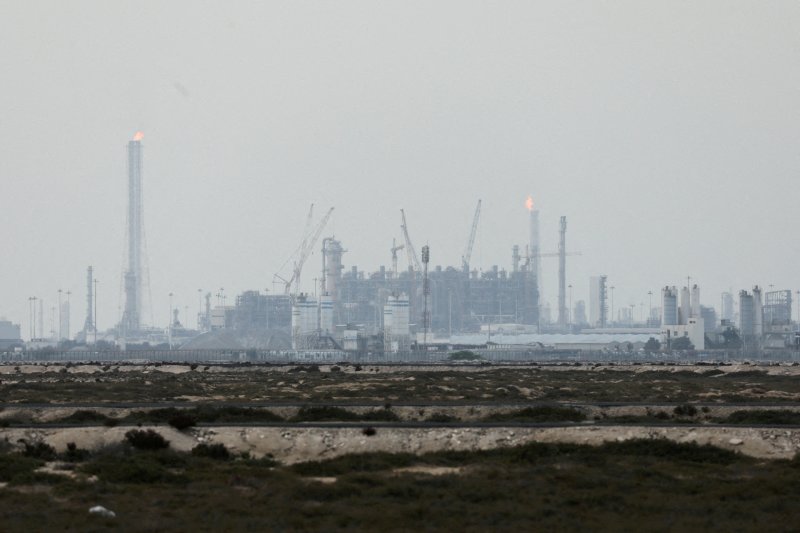
Qatar, previously a major player in the global liquefied natural gas (LNG) market, is now facing challenges that have resulted in it sourcing LNG from the United States—its prominent competitor. This shift comes amidst geopolitical tensions, particularly after the ongoing conflict with Iran, which has led to significant disruptions in Qatar’s LNG production capabilities.
Qatar’s New LNG Agreement
On the 23rd of September, QatarEnergy, the state-owned energy firm of Qatar, announced a long-term agreement with Cheniere Energy, the leading LNG exporter from the U.S. Under this contract, Qatar will import 4 million tons of LNG annually until 2054, with prices tied to the U.S. Henry Hub gas rates plus a fixed fee. Deliveries are anticipated to start in the 2030s. Cheniere’s CEO, Jack Fusco, expressed excitement about the partnership, highlighting the potential for reliable LNG delivery from their facilities in Sabine Pass and Corpus Christi.
While the volume of this deal may represent a small fraction of the global LNG trade, analysts consider it a significant development in the American energy landscape. Notably, the ongoing war with Iran has created a landscape that favors U.S. energy firms, as evidenced by the rising stock prices of companies like Cheniere and Venture Global.
Impact of Geopolitical Tensions
Prior to the conflict, Qatar was the second-largest exporter of LNG, trailing only the United States. However, the violence escalated in March when an Iranian attack crippled Ras Laffan, a crucial LNG production site in Qatar. This assault destroyed two production units and resulted in an approximate loss of 17% of Qatar’s total LNG export capacity. As a consequence, Qatar has been forced to declare “force majeure” on its contracts every month since the attack, crippling its ability to meet international demand.
Qatar’s Energy Minister, Saad Sherida Al-Kaabi, revealed that repairs to the affected facilities will likely take three years. The situation has been made worse by the near impossibility of using the Strait of Hormuz for exports due to ongoing security risks and attacks on oil tankers by Iran. Given its reliance on maritime routes for LNG transport, Qatar is critically assessing the potential need for alternative supply routes and strategies moving into the future.
The Future of QatarEnergy and U.S. LNG
In response to these challenges, QatarEnergy has secured significant loans from Chinese financial institutions, reportedly amounting to around $3 billion. These funds are being utilized to help the state-owned firm purchase additional U.S.-produced LNG to honor its existing contractual obligations. The company is also in advanced talks with Venture Global for a yearly supply contract of 3 million tons.
Analysts on Wall Street are optimistic about the outlook for U.S. LNG companies. A considerable portion of equity analysts covering Cheniere have issued favorable ratings, with an average price target indicating room for growth. UBS has suggested an even higher target for Cheniere, further solidifying the sentiment of market confidence in U.S. LNG production.
Ultimately, as global buyers seek to diversely source their LNG supplies, the influence of U.S. companies on the global market is expected to intensify. With large-scale infrastructure projects underway, experts predict that the U.S. will solidify its dominance in the LNG sector, emerging as a critical player amid geopolitical challenges.