
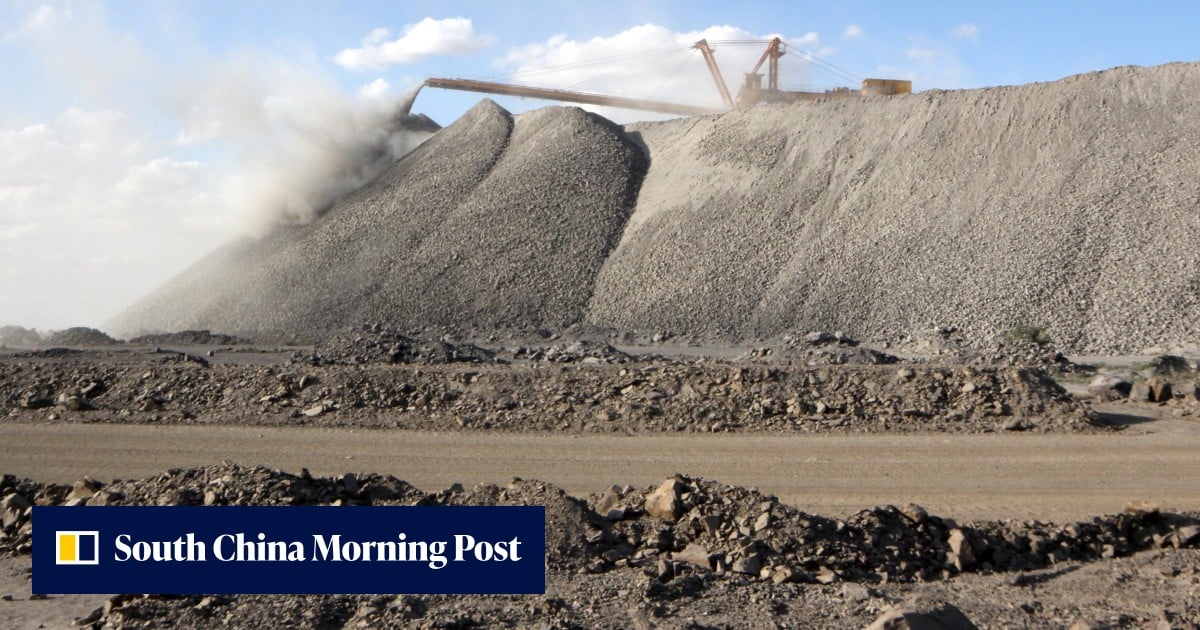
Chinese researchers have recently explored the intricate geological history of the Kizilcaoren deposit in Turkey, revealing new information about the country’s most prominent rare earth element reserve. However, these findings have tempered expectations regarding the deposit’s commercial viability in the global market.
Understanding the Geological Insights
The research delves into how rare earth elements gather within carbonatite-related formations, which are pivotal to understanding potential mining sites. Despite this deeper insight, the scientists expressed skepticism about Turkey’s ability to rival major global producers of rare earth elements in the near future. Their conclusions highlight that while the deposit is significant, the scale of mineralization is relatively minor compared to the giants in the field.
Barriers to Competition in Rare Earth Mining
Lead researcher Professor Yang Xiaoyong emphasized that the Kizilcaoren deposit’s size poses a challenge. He stated that its mineralization is “small in scale” and that it remains far below the threshold necessary to classify it among larger rare earth deposits. This revelation underscores the substantial geological and economic hurdles that countries must navigate to diversify their sources of critical minerals. Essentially, even if there are reserves present, these barriers can limit their extraction potential.
The Broader Context in the Middle East
Despite ongoing interests, Yang pointed out that neither Turkey nor other nations in the Middle East are known to possess large rare earth deposits. This raises questions about the region’s role in the global rare earth supply chain. As countries seek to reduce their dependence on established producers, the presence of significant deposits in the Middle East could have transformed its standing in the market. However, the findings indicate that this transformation may not happen anytime soon.
Moreover, the quest for diversifying sources of rare earth elements is critical as technology continues to evolve. As electronic devices and renewable energy solutions increasingly rely on these minerals, the demand is likely to soar. This scenario makes it imperative for countries like Turkey, if they wish to advance in the rare earth market, to find ways to overcome the inherent challenges associated with their current deposits.
In summary, while the Kizilcaoren deposit presents interesting geological insights, its commercial prospects seem limited. The findings serve as a reminder of the complexities involved in establishing a competitive rare earth supply chain, particularly in regions where deposits are not extensive. As research continues and the global landscape shifts, it remains essential for stakeholders to stay informed about advancements and challenges in rare earth mining.