
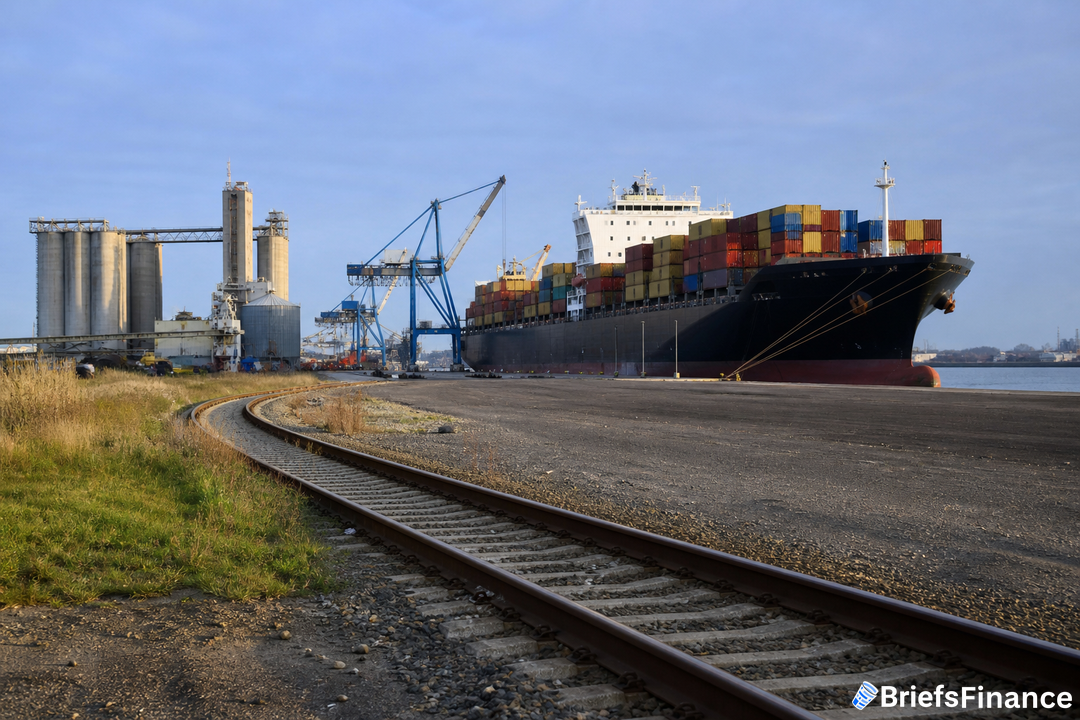
The ongoing disruptions in global grain trade, particularly due to the ongoing conflict in Ukraine, have prompted innovative solutions among traders. One such proposal involves utilizing the Ochamchire port in Abkhazia as a means to transport wheat and agricultural goods. This strategic move is being considered by Modern Way, a logistics company, which suggests containerized shipments to Turkey through this lesser-known route.
## Exploring Alternative Routes for Wheat Shipments
Modern Way has unveiled plans for transporting agricultural goods via the Ochamchire port. Several traders based in Russia are contemplating this route, especially for containerized shipments bound for Turkey. The company has stated that shipments can commence to Gebze, Turkey, once a quality inspection service is operational at the port by the end of next month. Modern Way operates container logistics through both sea and rail networks, with a presence in Russia and China, alongside air freight and storage solutions. However, they did not respond to inquiries for further clarification.
## The Driving Forces Behind This Strategy
Typically, Russia holds a significant stake in the global wheat market, accounting for roughly 20% of total wheat trade. In recent months, however, trade operations have been severely hampered by the conflict with Ukraine, particularly affecting exports from major grain hubs in both countries. The resulting turmoil has driven wheat prices to their highest point in three years, prompting traders to seek alternative transport routes. Moscow is not only pressuring local exporters but also offering incentives to secure its market dominance. Existing methods, such as rerouting shipments through Arctic ports or using railway systems, have not sufficiently met the demands, leading to more innovative approaches.
## Challenges and Considerations for Container Shipments
While the concept of containerized wheat transportation is being explored, there are limitations to consider. The Ochamchire port is relatively small, and the costs associated with loading grain into containers can be steep. Typically, bulk carriers are preferred for grain transport due to their capacity; they can carry over 100,000 tons, whereas a standard 20-foot container holds approximately 23 tons. Despite these challenges, there has been a shift toward container shipping in light of recent price declines in domestic wheat and subsidized rail transport. Experts suggest this could be a temporary fix rather than a sustainable long-term solution for transporting substantial volumes of grain.
## Understanding the Context: Abkhazia’s Role
Abkhazia has a complex geopolitical background, having split from Georgia in the 1990s and being recognized as independent by Russia in 2008 following a brief conflict. The region is largely supported by the Kremlin, which has recently invested in enhancing the capacity of the Ochamchire port as part of a broader strategy to diversify logistics in the Black Sea. However, the extent to which traders will adopt this alternative route remains uncertain, as reliance on the Black Sea for grain exports continues to dominate.
## The Conclusion: A Stopgap Solution?
In summary, while Russia is actively exploring diverse routes for grain export amid the geopolitical landscape, the Ochamchire port proposal reflects both an urgent need for logistical innovation and the limitations inherent in such alternatives. As the availability of traditional Black Sea ports remains compromised, containerized shipments, although more expensive, may serve as a temporary measure to navigate the complexities of the current market situation. This evolving landscape underscores the importance of adaptability within global supply chains, and traders continue to monitor these developments closely to make informed decisions.