
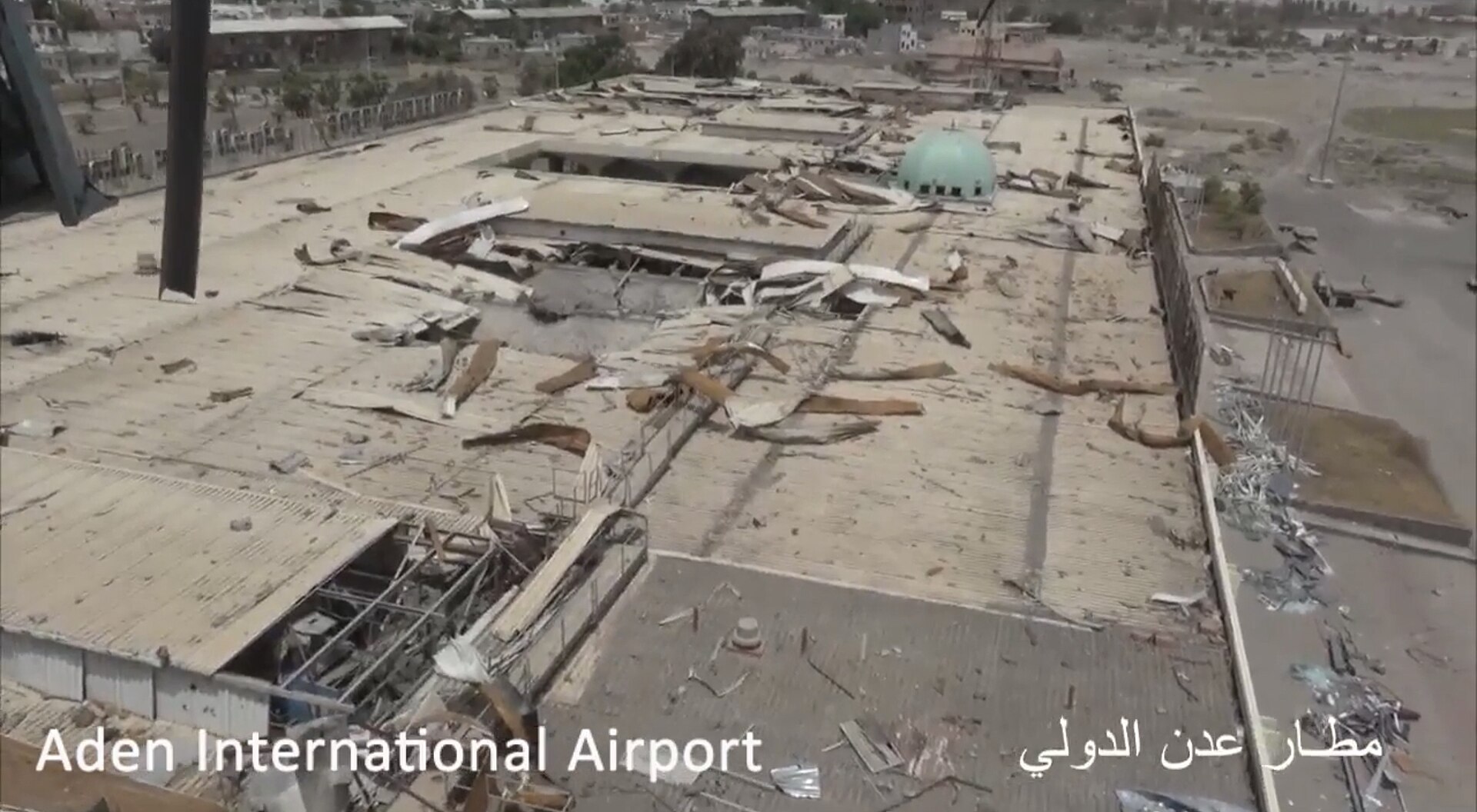
On October 24, 2026, Houthi forces executed a coordinated attack, launching ballistic missiles against key locations in Yemen and Saudi Arabia. This aggressive move marks a significant escalation of the ongoing conflict, as the Houthis targeted military and civilian infrastructure, potentially changing the dynamics of warfare in the region.
Missile Strikes on Aden
The Interior Ministry of Yemen reported multiple missile strikes in Aden, specifically targeting the coast guard headquarters and Aden International Airport. Ballistic missiles struck two locations within the coast guard compound and an additional facility in the Tawahi district. This attack is notably the fourth on the airport this month, reflecting a troubling trend since the collapse of a prior ceasefire. While no immediate casualties were reported in these strikes, the sound of explosions reverberated throughout the city, indicating the severity of the situation.
The strategic importance of Aden cannot be overstated; it serves as the interim capital for Yemen’s internationally recognized government, particularly since the Houthis took control of Sanaa in 2014. The strikes demonstrate the Houthis’ capability to hit multiple fronts simultaneously, putting the Saudi-led coalition in a precarious position as they manage threats from both the north and the south.
Framing of the Attacks
Houthi military spokesman Yahya Saree portrayed the attacks in Aden as a direct strike against “Saudi enemy concentrations,” framing the coastal city as a vital military base. This perspective raises questions about Houthis’ strategic intentions, suggesting a shift in focus from mere regional dominance to a broader confrontation against Saudi military interests. Conversely, the Yemeni government described the strikes primarily in terms of targeting local security establishments. This disparity highlights the complexities of information warfare that accompanies military engagements.
Furthermore, the Houthis claimed to have targeted eight sites within Saudi Arabia, including infrastructure crucial for the nation’s oil supply. Reports indicated that Saudi defenses intercepted several missiles aimed at major cities like Riyadh and Yanbu. However, independent confirmation of the full extent of these strikes remains elusive, leaving a gap between claims and verified outcomes.
Civilian Casualties and Rising Tensions
The violence on both sides has resulted in mounting civilian casualties. Houthi reports indicated that Saudi airstrikes had killed multiple civilians in targeted areas, contributing to a worsening humanitarian crisis in Yemen. The difficulty in independently verifying these figures complicates the narrative surrounding civilian suffering in the ongoing conflict.
Saudi Arabia’s silence on reported civilian tolls underscores the complexities of the information landscape during wartime. While the Houthis publish casualty figures, the coalition typically refrains from commenting, opting instead for a focus on military engagements. This lack of transparency can create an environment where misinformation thrives and exacerbates humanitarian issues.
Significance and Future Implications
This recent escalation signifies a continuing cycle of violence that threatens to destabilize the already precarious situation in Yemen. The Houthi attacks on Aden further challenge the authority of Yemen’s government and draw international concern regarding the safety of civilians. As the Houthis continue to target key infrastructure, the potential for retaliatory measures from Saudi forces remains high, fueling an apparent arms race in the region.
As the dynamics within Yemen evolve, the international community may need to reassess its strategies for addressing the ongoing humanitarian crisis and seek diplomatic solutions to prevent further escalation. It’s crucial for immediate attention to be directed toward conflict resolution, as the humanitarian implications of continued airstrikes and missile attacks could prove catastrophic for the people of Yemen.