
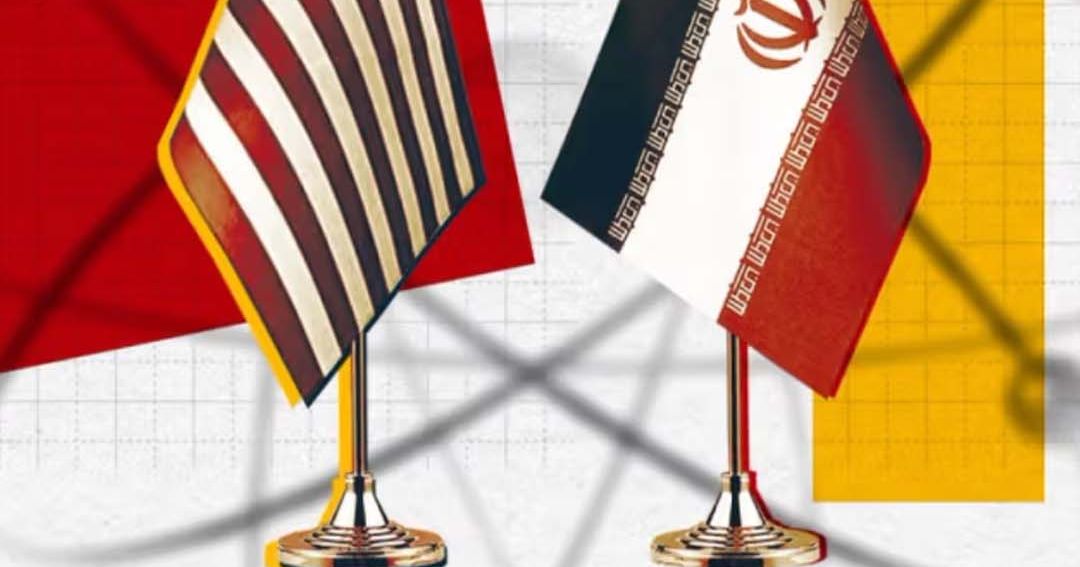
Recent diplomatic efforts have emerged in the Middle East, involving nations like Pakistan, Qatar, Saudi Arabia, the UAE, Turkey, Egypt, Jordan, and Bahrain, as regional leaders called on the United States to finalize a peace agreement and avert further escalation. Former President Donald Trump, in a post on Truth Social, claimed that a deal involving the U.S., Iran, and several regional countries has been “largely negotiated” and is nearing completion. According to Trump, discussions are actively taking place regarding the final details of the agreement, which includes reopening the critical Strait of Hormuz.
### Urgency for Diplomacy
Trump’s announcement followed a call with leaders from various Middle Eastern nations, where they collectively urged him to accept the deal with Iran. The overarching sentiment from these leaders was a plea to end the ongoing conflict “for the benefit of the whole region.” This collaborative push comes in the wake of Iran presenting a revised proposal to the U.S. via Pakistani mediators, aimed at concluding the war and reestablishing access through the Strait of Hormuz. As reports emerged, a response from the U.S. was anticipated shortly.
### Progress and Caution in Negotiations
Pakistani military officials highlighted that progress had been made during discussions led by Army Chief Asim Munir, underscoring the importance of the negotiations in Tehran. The developments were characterized as part of a “fairly comprehensive” interim deal, although caution was advised that nothing is finalized until it is officially concluded. Meanwhile, in Tehran, Foreign Ministry spokesman Esmail Baghaei stated that parties were finalizing a 14-point memorandum of understanding to establish a temporary framework for diplomatic dialogue.
The proposed timeline involves Iran and the U.S. negotiating contentious issues, including Iran’s nuclear program and sanctions relief, within 30 to 60 days after signing the memorandum. While the initial signs appear positive, Baghaei stressed that an agreement is far from certain, cautioning against over-optimism given the significant differences between the two nations.
### Ongoing Skepticism
Despite the cautiously optimistic signs from leaders and mediators, skepticism persists in both American and Iranian political circles. Members of Iran’s parliament expressed concerns that the U.S. could be undermining the negotiations. Accusations surfaced regarding U.S. envoy Steve Witkoff allegedly providing misleading reports to Trump, which might have instigated unnecessary sensitivities within Iran. Observers are wary that negotiations could collapse due to the U.S.’s tough stance.
According to reports from Iranian sources, without significant concessions from the U.S., the likelihood of sustaining talks is grim. Iran’s conditions—including the release of frozen assets and regulations for maritime passage through the Strait of Hormuz—remain unresolved, and Tehran has signaled readiness to explore alternative options if their demands are not addressed.
### Public Sentiment and Future Prospects
Public sentiment within Iran reflects widespread skepticism towards the possibility of a lasting agreement. An online poll indicated that nearly 70 percent of respondents doubted a successful resolution to the conflict, envisioning a return to hostilities. The prevailing view highlights a deep-seated pessimism regarding the diplomatic process and the potential for meaningful outcomes.
As negotiations continue, Trump maintained that military options remain viable, stating that there is an equal chance of achieving an agreement or intensifying military actions against Iran. The situation remains fluid, emphasizing the precarious balance between diplomacy and conflict as both sides navigate these complex discussions.
In conclusion, the evolving landscape of U.S.-Iran relations is marked by a mix of cautious optimism and persistent skepticism. While regional diplomacy plays a vital role in shaping these dynamics, the path to peace remains fraught with challenges.