
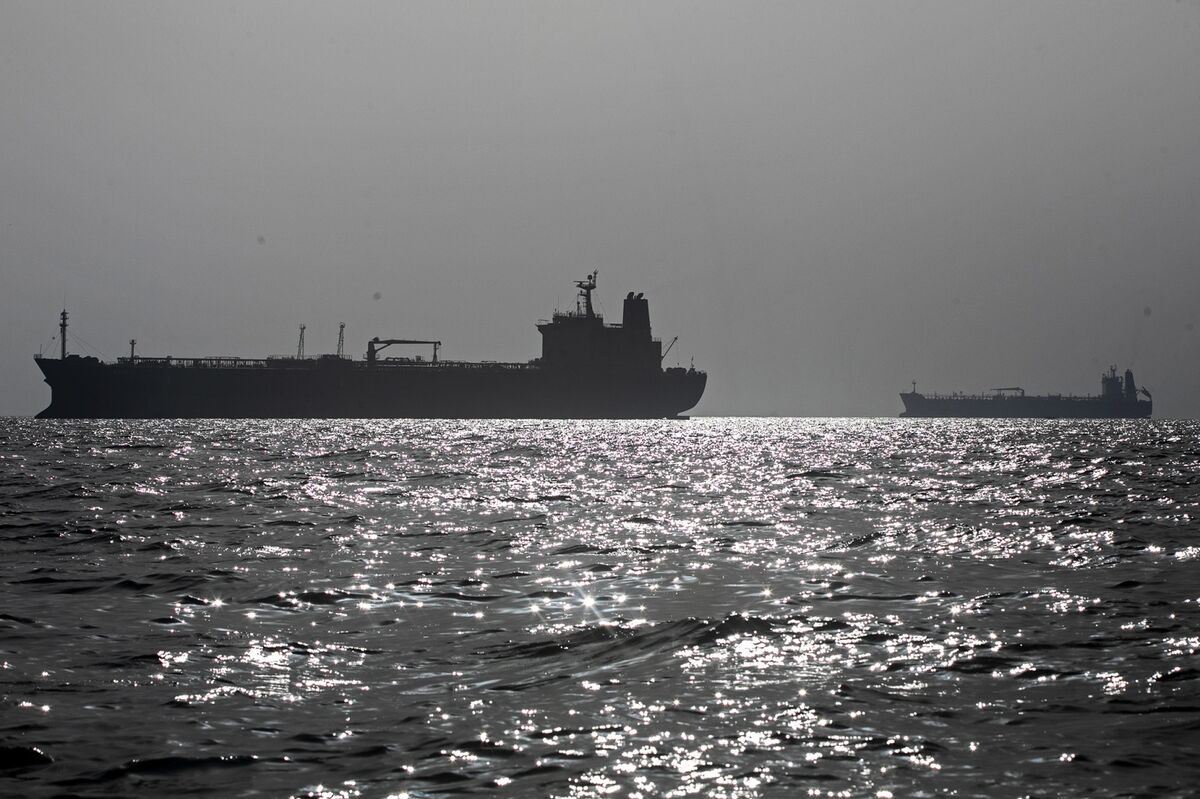
A supertanker carrying Iraqi crude oil to China has made significant progress by departing from the Persian Gulf and crossing into the Arabian Sea, defying the U.S. blockade. This event unfolds amidst ongoing negotiations aimed at concluding the conflict between the U.S. and Iran, as well as efforts to reopen the vital Strait of Hormuz.
The Significance of the Strait of Hormuz
The Strait of Hormuz, a narrow passage connecting the Persian Gulf and the Arabian Sea, is a crucial maritime route for global oil shipments. Approximately 20% of the world’s oil passes through this strait, making it strategically important for both economic and geopolitical reasons. The ongoing blockade has raised concerns about the stability of oil markets and the potential for escalated tensions in the region. As talks progress to resolve issues between the U.S. and Iran, the reopening of this strait could have significant implications for international trade and energy prices.
Recent Developments in Oil Trade
The departure of the supertanker represents a noteworthy development in the region’s oil trade dynamics. Despite the risks associated with crossing the U.S. blockade, the ship’s journey highlights the resilience and adaptability of oil logistics in the Middle East. With emerging markets like China increasing their demand for oil, the need for dependable routes and alternatives becomes even more pronounced. This incident may inspire other vessels to follow suit, further challenging existing sanctions and trade barriers.
Geopolitical Implications
The current situation underlines broader geopolitical tensions between rival nations. Iran’s efforts to circumvent U.S. sanctions through alternative trading routes are becoming increasingly evident with such shipments. This supertanker’s successful voyage could embolden other stakeholders in the global oil market to seek viable avenues for trading with countries facing similar sanctions. Consequently, global geopolitics play a substantial role in shaping the future of oil distribution and market stability.
Future Outlook for Oil Shipping Routes
As negotiations continue, the future of maritime routes in this crucial region remains uncertain. Stakeholders are keenly watching potential outcomes that may influence shipping routes and oil prices. A successful resolution to the U.S.-Iran tensions could lead to a more stable trading environment and reopen opportunities for energy exports through the Strait of Hormuz. In contrast, prolonged conflict may result in heightened security concerns and restricted access to essential shipping lanes, directly impacting global oil supply.
In summary, the movement of the supertanker from the Persian Gulf into the Arabian Sea is more than just a single shipping event; it represents a shifting landscape in oil trade, geopolitical stakes, and the future of maritime navigation in one of the world’s most essential energy corridors. Observers worldwide are closely monitoring these developments, as the outcomes will undeniably shape the dynamics of energy supply and demand in the months and years ahead.