
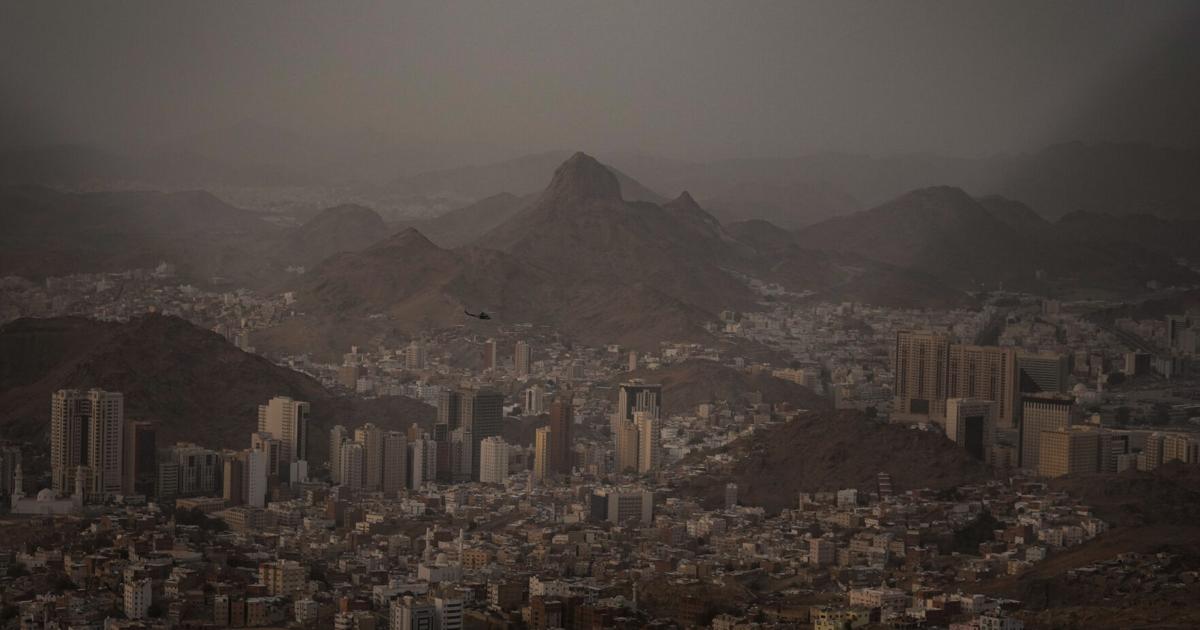
The annual hajj pilgrimage is a significant event for millions of Muslims around the globe, attracting devotees to the holy city of Mecca. As one of the five pillars of Islam, this sacred journey is a profound expression of faith and unity, culminating in a series of rituals designed to renew spiritual devotion.
The Importance of Hajj in Islam
Hajj holds immense spiritual significance for practicing Muslims. It is a mandatory pilgrimage that every adult Muslim must undertake at least once in their lifetime, provided they have the financial and physical ability to do so. The journey not only serves as a form of worship but also symbolizes the spiritual equality of all participants, as individuals from various backgrounds gather to fulfill this fundamental act of devotion. The experience fosters a sense of community and reinforces the principles of humility and submission before God.
Rituals and Activities During Hajj
The pilgrimage consists of several rituals that take place over a few days. Participants first enter a state of ihram, signifying the start of their pilgrimage, during which they wear simple white garments. This practice embodies purity and equality, stripping away distinctions of wealth and status. One of the cornerstone rituals is the Tawaf, where pilgrims circumambulate the Kaaba, the sacred structure at the center of the Grand Mosque, seven times in a counterclockwise direction. This act represents the unity of believers in the worship of the One God.
Another critical component of Hajj is the standing at Arafat (Wuquf), which occurs on the ninth day of the lunar month of Dhul-Hijjah. It is considered the pinnacle of the pilgrimage and encapsulates the essence of Hajj—submission, repentance, and prayer. Pilgrims gather at the Plain of Arafat, seeking forgiveness and reflecting on their lives. It is a moment of profound spiritual clarity and connection with the divine.
Safety and Security Measures
Given the immense crowds that descend upon Mecca during Hajj, safety and security are paramount concerns. The Saudi government implements comprehensive measures to ensure the safety of pilgrims. Military helicopters patrol the skies to monitor and manage the crowd effectively. Furthermore, emergency services are in place to address any medical needs promptly. These initiatives aim to create a safe and orderly environment, allowing pilgrims to focus on their spiritual journey without distractions or fears.
The Global Impact of Hajj
Hajj is more than just a religious obligation; it has far-reaching implications for global Islam. The pilgrimage brings together millions of believers, thereby strengthening bonds among diverse cultures and nations. Through shared rituals, participants gain a deeper appreciation for their faith and the collective identity of the global Muslim community. This sense of unity transcends geographical borders, fostering compassion and understanding among individuals from different backgrounds.
As the yearly pilgrimage continues to grow in attendance, it serves as a reminder of the importance of faith, community, and shared experiences. Hajj is not only a reflection of personal devotion but also an opportunity for Muslims worldwide to reconnect with their roots and the tenets of their beliefs. Through this sacred journey, pilgrims return home spiritually enriched and renewed in their commitment to the principles of Islam.