
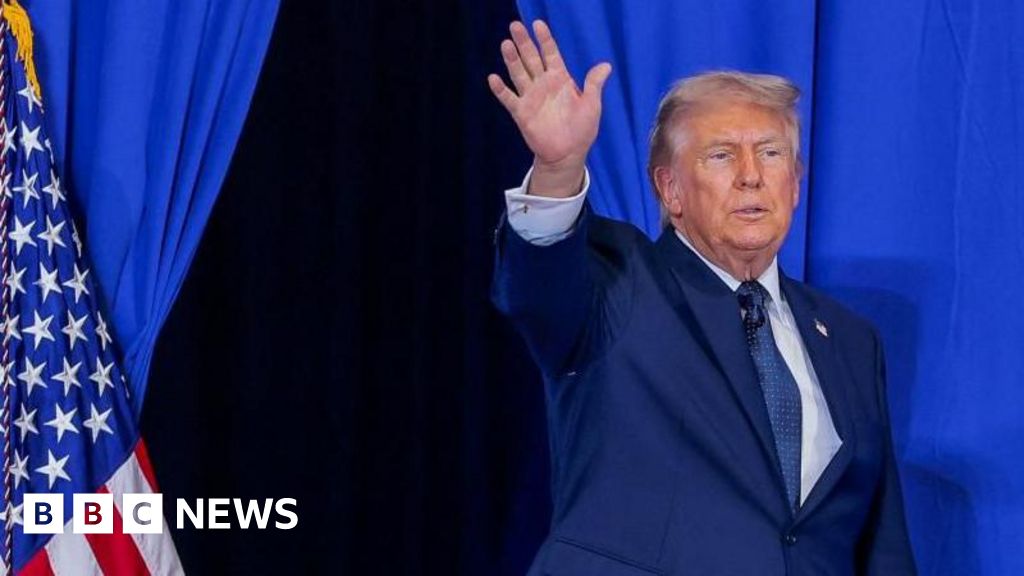
The ongoing negotiations between various parties have captured the attention of the international community. As reports indicate that a consensus may soon be reached, the President of the United States has called for a careful and measured approach to ensure a successful outcome. Here’s a closer look at the current state of negotiations and the implications of the President’s statements.
The Importance of Patience in Negotiations
The latest remarks from the U.S. President emphasize the need for both parties involved in the negotiations to exercise patience. This message highlights the significance of thorough discussions and understanding one another’s positions before finalizing any agreements. In the fast-paced world of diplomacy, it can be tempting to rush into deals, but history shows that hasty decisions often lead to complications down the road.
A thoughtful negotiation process not only fosters trust but also ensures that all parties’ interests are addressed. By taking the necessary time, negotiators can work through complex issues and create a more comprehensive and sustainable framework. The President’s call for a deliberate pace serves as a reminder that successful negotiations often require extensive groundwork.
Current Status of Negotiations
As discussions continue, various sources suggest that a deal may be on the horizon. While specifics remain confidential, progress appears to be happening behind closed doors. Industry experts and analysts are cautiously optimistic; however, they agree that any potential agreement would require careful examination to ensure its viability.
Multiple stakeholders are involved in the ongoing talks, which adds layers of complexity. Each party brings unique perspectives and needs to the table, making negotiations more challenging but also more rewarding if successful. The recent statements from the U.S. President serve to remind these parties that while urgency can sometimes propel discussions forward, the risk of overlooking critical details remains high.
Potential Impacts of a Successful Agreement
If a successful agreement is reached, it is likely to have far-reaching implications, both domestically and internationally. A well-crafted deal could enhance economic stability, improve international relations, and set a precedent for future negotiations. Moreover, it may contribute to a more peaceful and cooperative global landscape.
In addition to the broader geopolitical implications, the impact on specific industries should not be underestimated. Stakeholders are keenly aware that the outcome of these negotiations could affect markets, regulations, and trade relationships. Hence, all parties are closely monitoring the developments, understanding that the decisions made today may shape the economic fate of nations tomorrow.
In conclusion, the U.S. President’s insistence on taking a deliberate approach to negotiations sends a clear signal to all parties involved: patience and thoroughness are essential for achieving a successful agreement. As the situation evolves, the focus should remain on fostering constructive dialogue that prioritizes mutual understanding and long-term benefits. The world is watching closely, ready to embrace the outcomes of these critical discussions.