
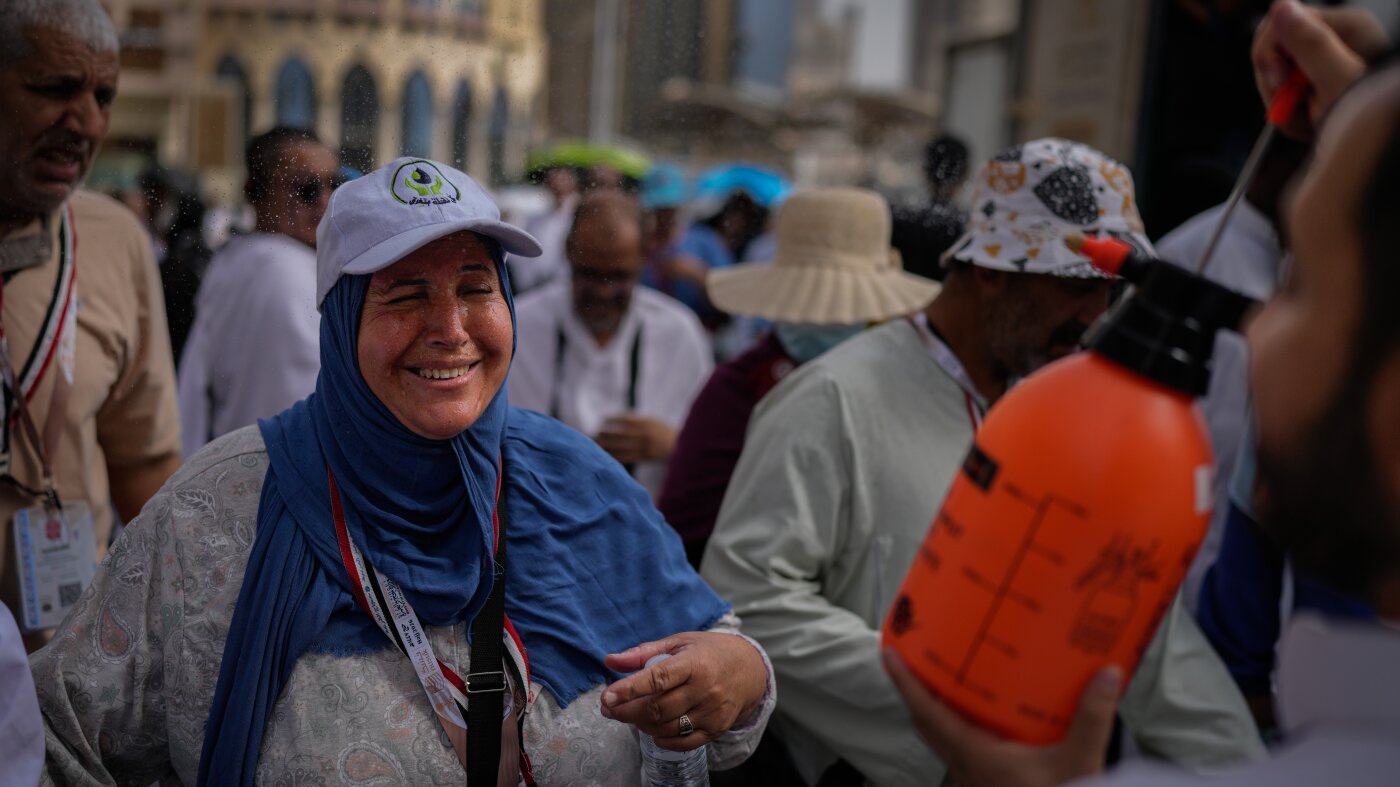
The annual Hajj pilgrimage, a vital spiritual journey for Muslims, has officially commenced in Mecca, Saudi Arabia. This pilgrimage, regarded as one of the Five Pillars of Islam, attracts millions from around the globe, marking a time of reflection, prayer, and community solidarity.
Massive Influx of Pilgrims
Over 1.5 million pilgrims have already landed in Saudi Arabia, according to reports from local authorities. Saleh bin Saad Al-Murabba, the commander of the Hajj passport forces, highlighted the significant number of arrivals amidst ongoing regional tensions and the fragile peace following the Iran conflict. Egyptian pilgrim Samya Abdul Moneim expressed her joy at being able to attend this sacred event, stating, “I am in a state of blessing and happiness.” Such sentiments echo across the crowd as individuals reflect on the spiritual weight of the Hajj, which each Muslim is expected to undertake at least once in their lifetime if they are financially and physically able.
The first day for many pilgrims involves circling the Kaaba, the sacred cube-shaped structure at the Grand Mosque, amidst sweltering temperatures. This initial act signifies their immersion into the rituals that define the Hajj experience. Many then proceed to vast tent camps situated in nearby desert areas, setting the stage for several days filled with sacred duty.
Facing the Heat and Challenges
As temperatures soar, pilgrims are proactive, using umbrellas and portable fans to combat the heat. Local volunteers play a crucial role, distributing water bottles and creating mists to help keep the pilgrims cool and hydrated. This act of charity reflects the spirit of community that Hajj embodies and the sense of unity it fosters among diverse Muslim populations.
The backdrop of regional tensions emphasizes the emotional gravity of the pilgrimage. Many pilgrims, while aware of geopolitical uncertainties, express profound gratitude for the opportunity to participate in the Hajj. This experience not only provides a chance for individual reflection and spiritual cleansing but also represents a convergence of various ethnicities, languages, and socioeconomic statuses. The unity seen during this pilgrimage serves as a testament to the collective mission of Muslims worldwide.
Global Impact of Regional Tensions
Global events are also influencing the pilgrimage landscape. The ongoing conflict involving Iran has heightened awareness and planning efforts, particularly among countries with large Muslim populations like Indonesia and India. Indonesian authorities have implemented contingency planning and reinforced measures to shield pilgrims from added travel costs, ensuring that financial burdens do not hinder their spiritual journey. Conversely, rising fuel prices in India have challenged some logistical aspects, adding a layer of difficulty to the pilgrimage experience.
Moreover, the geopolitical climate has led to varying levels of disruption, with references to the ceasefires and negotiations between countries making headlines. U.S. President Donald Trump’s recent statements about negotiations with Iran highlight the delicate situation affecting international travelers, as U.S.-Israeli tensions persist in shaping regional dynamics.
The Pinnacle of the Pilgrimage
As the days of Hajj unfold, pilgrims eagerly anticipate the moment of standing on the plain of Arafat, considered the apex of the pilgrimage. This gathering embodies communal worship, where individuals raise their hands, beseeching divine mercy and forgiveness, often moved to tears. Many pilgrims bring heartfelt requests from loved ones, heightening the emotional intensity of the experience.
With the sacred mission of Hajj underway, the convergence of millions continues to reflect the resilience of faith amid global trials, illustrating how such rituals not only welcome pilgrims but also serve as a reminder of unity and hope for the future.