
As tensions rise with Iran, the United States faces a pressing need for tungsten, a critical metal essential for advanced weaponry. With current stockpiles of munitions being depleted, especially amid military engagements, the urgency to secure tungsten—a material predominantly sourced from China—has intensified. The U.S. is now exploring alternative sources to establish a robust supply chain.
The Rising Demand for Tungsten
Tungsten has long held a vital role in military applications; it’s utilized in combat aircraft, precision-guided munitions, and specialized armaments due to its density and heat resistance. However, the U.S. has not operated any commercial tungsten mines since 2015. Efforts undertaken during previous administrations aim to reduce reliance on Chinese tungsten, which produces over 80% of the global supply. This ever-increasing demand is not limited to defense; tungsten’s applications extend into technology, impacting sectors like electronics, renewable energy, and telecommunications.
Strategic Mines: A Glimmer of Hope
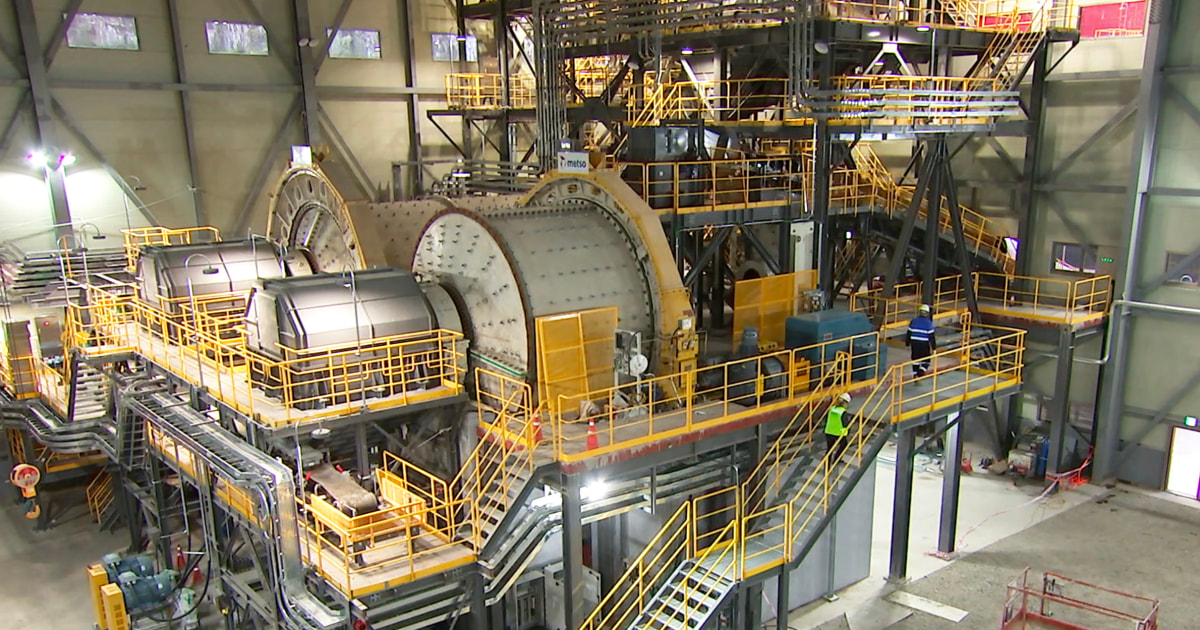
One significant player in the tungsten sector is the Sangdong tungsten mine located in South Korea, managed by Almonty Industries, a U.S. firm that recently revitalized operations at this historical site. As the chief executive of Almonty Industries, Lewis Black noted the rarity of large-scale tungsten mines globally, underlining the strategic advantage associated with reopening Sangdong. This mine is expected to meet expanding requirements over the coming years, ensuring that supply chains remain intact during periods of international conflict.
Environmental and Economic Challenges
Although the resurgence of the U.S. tungsten industry offers hope, significant challenges lie ahead. The extraction and processing of tungsten can have adverse impacts on local ecosystems and generate hazardous waste, which can deter public support. Add to this the complexity of mining, with a lack of experienced labor and knowledge — much of which was lost during the industry’s decline in the ’90s — and it’s evident that building a sustainable tungsten supply chain will not be straightforward.
Looking to the Future
The long-term goals for U.S. tungsten mining are ambitious. Once fully operational, the Sangdong mine plans to process approximately 1.2 million tons of tungsten ore annually, presenting a critical opportunity for a self-sufficient supply chain. Furthermore, Almonty is eyeing the reopening of additional mines within the U.S. to bolster domestic production. Such strategic moves would not only stabilize supply but also enhance national security, ensuring that the country can adequately support its military and technological needs in a rapidly changing global landscape.
As the geopolitical climate becomes increasingly volatile, securing a steady tungsten supply will be crucial for the U.S. and its allies. The reactivation of domestic mining operations represents a significant step toward achieving this stability while meeting the burgeoning demand for both defense and technological applications. Without these developments, the country risks falling short in an essential area that directly impacts its global standing and preparedness in times of conflict.