
Iran recently executed an individual convicted of espionage for allegedly collaborating with Israel’s Mossad intelligence agency. This action, confirmed by the judiciary, underscores the Iranian government’s continued stance against perceived threats to its national security.
Details of the Conviction
Gholamreza Khani Shakarab was found guilty of espionage and intelligence cooperation with what Iranian authorities refer to as the “Zionist regime.” Reports indicate that the Supreme Court upheld the verdict, leading to his execution on Tuesday. Identified by Mizan Online, Shakarab is characterized as a key operative for Mossad, who was reportedly attempting to recruit individuals within Iran to carry out operations deemed anti-security by the state.
Mizan’s report elaborates on how Shakarab was arrested, indicating he was apprehended by intelligence forces of the Islamic Revolutionary Guard Corps after a complex operation involving deceptive intelligence tactics. Furthermore, authorities allege that he was directed by Mossad to plan and prepare for the assassination of a Jewish rabbi, with the intent to falsely portray Iran as an aggressor against the Jewish community. The timeline of his arrest and sentencing remains unclear.
Escalating Executions in Iran
This execution is part of a broader series of capital punishments linked to security-related cases following increased tensions with Israel and the U.S. In the days prior to Shakarab’s execution, another individual was executed for armed assaults linked to anti-government protests that reached their peak in January. Moreover, just before that, a man was hanged for espionage, marking the first official execution related to spying during the ongoing conflict with the U.S. and Israel.
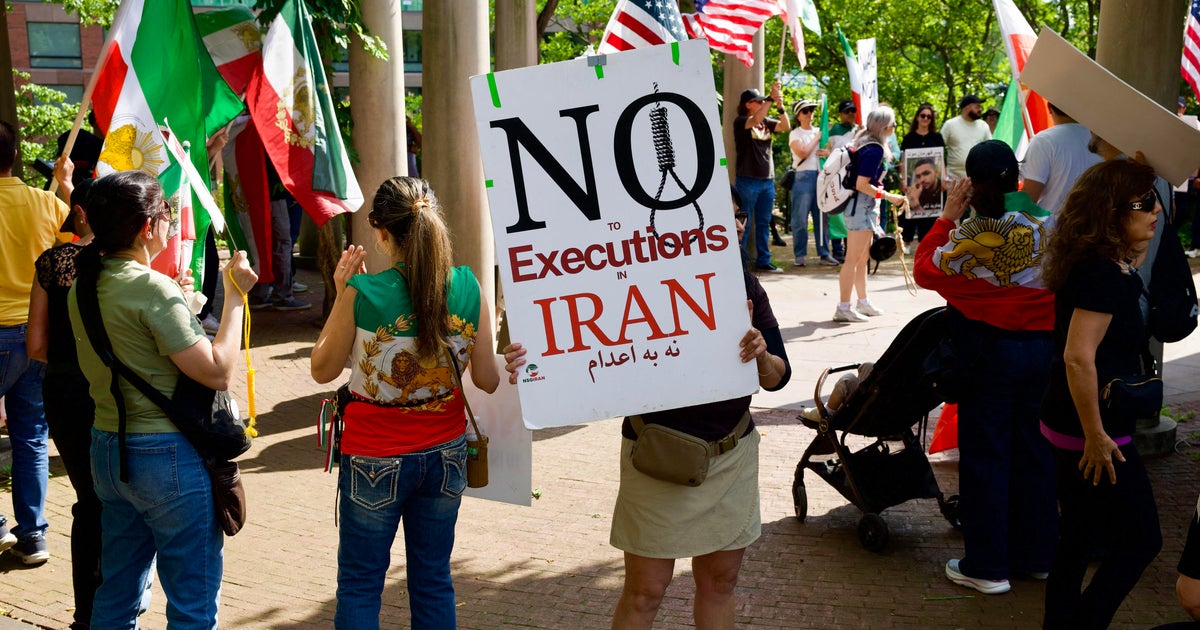
According to rights organizations, including Amnesty International, Iran maintains one of the highest execution rates in the world, trailing only behind China. A recent report by the Norway-based Iran Human Rights organization and Paris-based Together Against the Death Penalty indicated that executions in Iran have surged, with at least 1,639 people put to death in 2025 alone. This number includes 48 women, a significant figure in discussions surrounding the death penalty in the region.
The Global Context of Executions
The doubling of executions in Iran has contributed to a significant global increase in capital punishment cases, reaching heights not seen since 1981. Various human rights advocates have expressed concern over this trend, emphasizing the need for urgent reforms in Iran’s judicial and legal processes. Among the high-profile cases leading to capital punishment were those related to protests ignited by the death of Mahsa Amini, which sparked widespread unrest across the nation in 2022.
The Iranian government’s intensified focus on maintaining control through such extreme measures raises questions about human rights practices within the country. As the situation evolves, the international community continues to monitor Iran’s use of the death penalty, advocating for a reevaluation of policies that lead to such severe consequences for individuals accused of dissent or espionage.
In conclusion, the execution of Gholamreza Khani Shakarab reflects Iran’s ongoing struggle with internal security and external threats, illustrating how espionage accusations can result in dire outcomes for individuals, while shedding light on a significant and concerning rise in the nation’s execution rate.