
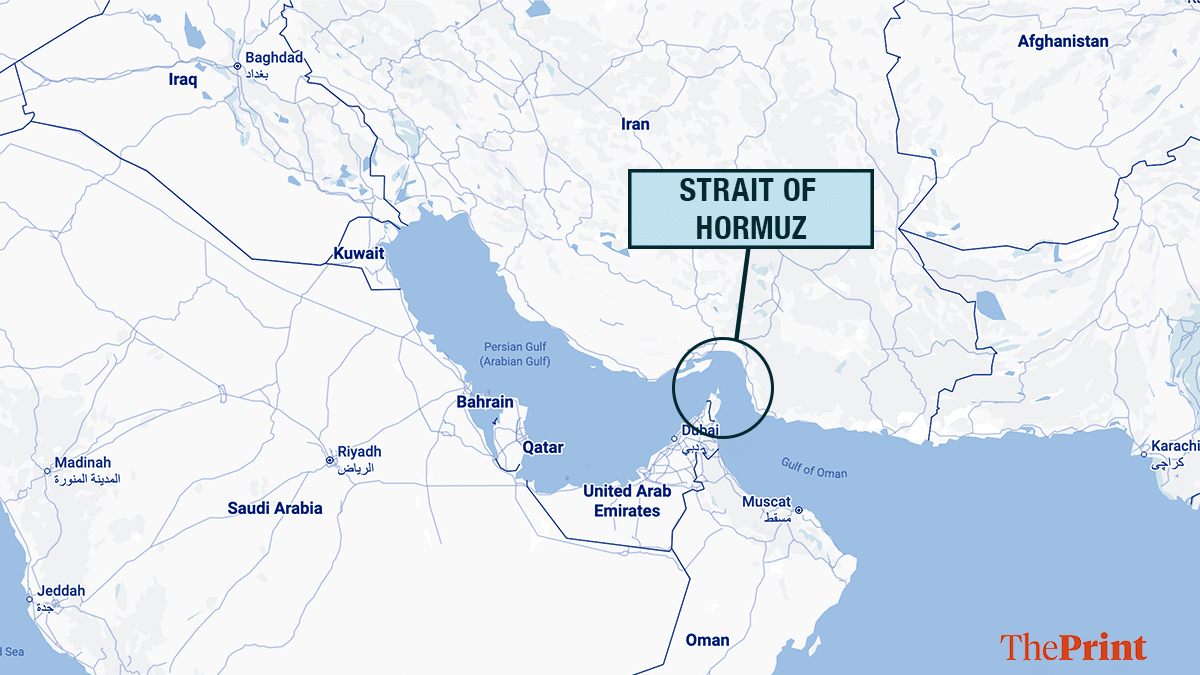
In light of ongoing tensions in West Asia, the security of the Strait of Hormuz—a crucial artery for global oil transit—has become a pressing concern. To mitigate risks associated with this key shipping channel, the United Arab Emirates (UAE) is expediting the construction of a new pipeline designed to enhance its crude export capabilities while reducing dependence on the Strait of Hormuz.
Accelerating the West-East Pipeline Project
The Abu Dhabi National Oil Company (ADNOC) is fast-tracking the completion of its ‘West-East Pipeline,’ which is anticipated to be finalized by 2027. When operational, this pipeline will substantially increase the UAE’s crude export capacity via Fujairah—a strategic port on the Gulf of Oman, hence bypassing the narrow and often contentious Strait of Hormuz. This initiative comes at a pivotal moment for the region, emphasizing the UAE’s commitment to ensuring stable oil exports amid geopolitical uncertainties.
Abu Dhabi’s actions reflect a strategic pivot following its decision to exit OPEC+. This move is not merely about increasing oil production but aims to allow greater autonomy in exporting oil with lesser geopolitical restrictions. The accelerated pipeline project illustrates the UAE’s intent to navigate its oil production landscape more freely, enhancing its energy independence while securing its supply routes.
Bolstering Energy Security and Export Flexibility
The UAE’s commitment to developing infrastructure that circumvents the Strait of Hormuz isn’t new; it has operated the Abu Dhabi Crude Oil Pipeline (ADCOP) since 2012. Running from the Habshan oilfields to Fujairah, this pipeline already handles 1.5 million barrels per day, meant to lessen reliance on Hormuz during turbulent periods. Given the escalating conflict in the region, ADCOP has been operating near full capacity, underscoring its significance.
Now, having announced its exit from OPEC+ in May 2026—stemming from dissatisfaction with production quotas—the urgency surrounding the new pipeline has intensified. According to energy strategist Umud Shokri, the new pipeline is integral to the UAE’s broader strategy of expanding production while enhancing export stability. This project should be viewed as part of a long-term vision aimed at solidifying the UAE’s standing in global energy markets rather than just a response to immediate geopolitical challenges.
Minimizing Risks Associated with Hormuz
The forthcoming pipeline effectively aims to lessen the UAE’s susceptibility to disruptions that could arise in the Strait of Hormuz. In scenarios involving blockades or military escalations, Abu Dhabi would maintain the ability to transport significant amounts of crude through Fujairah without relying on the contentious waterway. This enhanced capability positions the UAE favorably as one of the limited Gulf producers with a substantial route bypassing Hormuz.
However, while the pipeline alleviates some risks, it does not eliminate the vital strategic role of Hormuz in the region’s oil and gas trade. Many other Gulf producers, such as Iraq and Saudi Arabia, remain reliant on this shipping channel, and disruptions there could affect international markets significantly. Thus, while the new pipeline provides a more secure export route, the geopolitical uncertainties surrounding Hormuz persist, reaffirming its critical importance in global energy security.
Implications for India’s Energy Landscape
India’s reliance on imported crude oil—over 85% of its needs—renders this pipeline project particularly significant for its energy security. As Shokri notes, the pipeline could furnish Indian refiners with a more dependable source of UAE crude during regional instability. Disruptions in the Strait of Hormuz typically induce higher freight rates and insurance costs, ripple effects that ultimately inflate domestic fuel prices.
The Fujairah route offers a vital alternative that allows oil shipments to enter the Arabian Sea directly, thereby mitigating risks associated with one of the world’s most strategic maritime chokepoints. This shift not only safeguards India’s energy imports but also reflects a broader trend among Gulf producers to diversify their export corridors. The developments in pipeline infrastructure and alternative ports enhance reliability for Asian economies heavily dependent on Gulf crude, ensuring energy security remains a priority amid ongoing geopolitical challenges.