
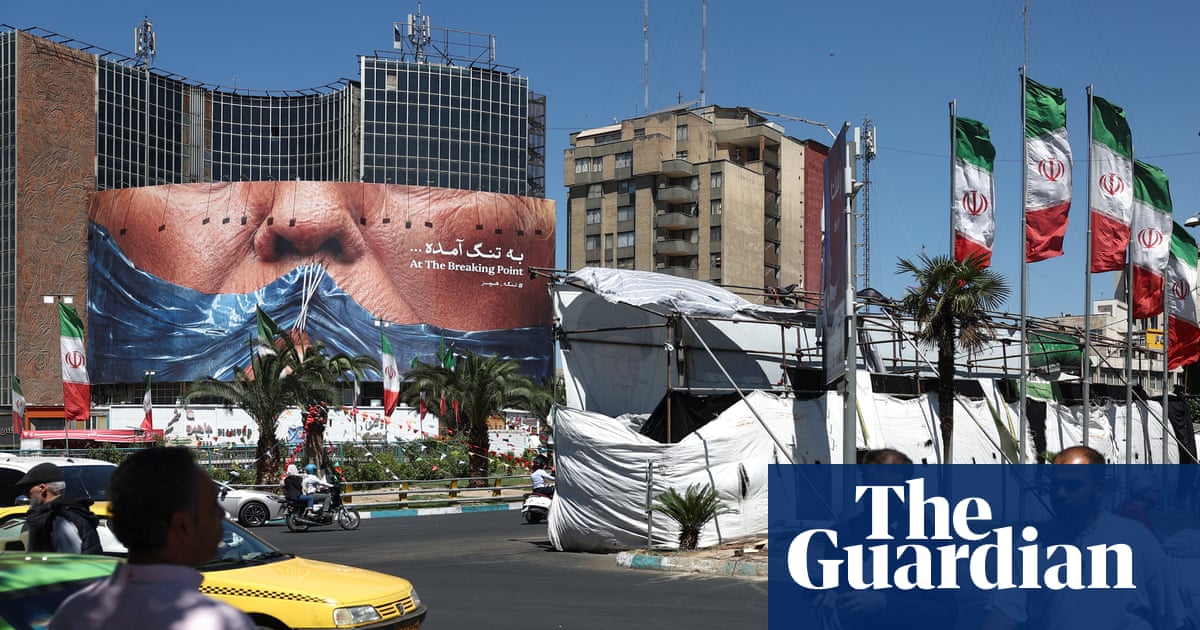
A recent peace proposal involving Iran and the United States continues to be discussed, even after US military strikes on Iranian positions, marking Washington’s first military involvement since a ceasefire on April 8. These developments highlight the complexities surrounding the negotiations and the delicate situation in the region.
Iran’s Response to US Military Action
The Iranian Foreign Ministry strongly criticized the US strikes, which targeted missile launchers and efforts to lay mines in the Strait of Hormuz. Officials labeled the attack as “an act of bad faith” and a “clear violation of the ceasefire,” warning that there would be repercussions. Interestingly, despite these tensions, Iran chose not to abandon the peace discussions facilitated by Pakistan and Qatar. This move suggests that Iran remains committed to finding a diplomatic resolution, even amidst military provocations.
The Stakes for Both Nations
As tensions escalate, the implications of these military actions have resulted in a notable rise in Brent oil futures, climbing by 4%. It indicates a growing sense of unease in international markets about the potential for wider conflict. In response to the current situation, US President Donald Trump is holding a cabinet meeting at Camp David, signaling the gravity of the ongoing negotiations and the serious nature of the conflict.
Iran’s chief negotiator, Mohammad Bagher Ghalibaf, is remaining in Doha to finalize discussions on unlocking over $12 billion in seized Iranian assets and to pursue sanctions relief concerning Iran’s oil and petrochemical exports. A key component of the negotiations is the establishment of a 60-day window to negotiate new constraints regarding Iran’s nuclear activities. Simultaneously, a separate 30-day period has been allocated for the US to ease restrictions on Iranian oil ports, and for Iran to permit commercial shipping through the Strait of Hormuz, aiming to restore previous maritime traffic levels.
Challenges to Achieving a Peace Agreement
The proposed agreement carries significant political weight and sensitivity for all parties involved. Each side is keen on emerging from these discussions with a narrative that justifies their respective sacrifices. In Washington, Tehran, and Jerusalem, hardliners are pressuring negotiators to resist making substantial concessions, putting additional strain on the peace process. Amidst this, Ghalibaf’s recent re-election as speaker has positioned him to address the concerns of hardliners while focusing on unlocking frozen Iranian funds. Observers note the importance of resolving this financial issue as a prerequisite for any future talks about Iran’s nuclear program or rights in the Strait.
While progress has been reported, complications remain. An Iranian MP stated that a recent plan aimed at transferring the seized $12 billion was unexpectedly blocked by the US. This has raised concerns in Iran about the potential restart of hostilities. Leaders such as Iran’s supreme leader, Mojtaba Khamenei, assert that regional dynamics are shifting in Iran’s favor, urging unity among Muslim nations.
The ongoing discussions are perhaps reflective of broader ideological battles, with Khamenei expressing that nations will no longer allow themselves to serve as protectors for American interests in the region. He emphasized that the United States is losing its influence, and the security landscape is evolving.
In summary, the ongoing diplomatic talks between Iran and the US remain on shaky ground as military actions and political pressures complicate the landscape. Both nations must navigate these complex negotiations carefully, as they hold the potential to transform the geopolitical contours of the region.