
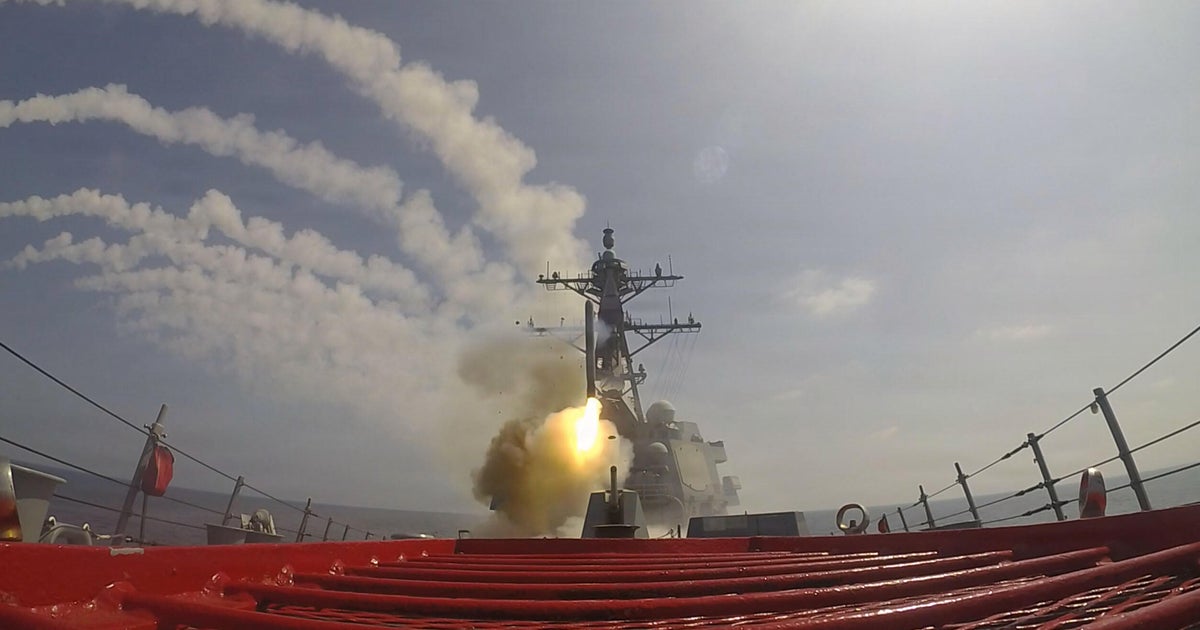
The recent airstrikes by the U.S. and Saudi Arabia against Iranian-backed forces in Iraq highlight the continuing tensions in the region. As the U.S. navigates complex relationships with Iran and its proxies, these military actions illustrate both a reactive and preventative strategy in response to escalating threats against American personnel.
Military Response to Escalating Attacks
On late Tuesday, U.S. Central Command confirmed coordinated airstrikes targeting logistic and weapons sites affiliated with these groups in eastern Iraq. This initiative follows a series of drone attacks, over 30 in just three days, aimed at U.S. troops and Saudi energy facilities. While the strikes represent a decisive military response, they also challenge a five-day period during which the U.S. held back from direct action against Iranian interests. The operation underscores a commitment to protecting U.S. assets while also navigating ongoing diplomatic efforts led by President Trump to find a more peaceful resolution.
The airstrikes were characterized as “precise and targeted,” with the Saudi Ministry of Defense asserting their right to self-defense. These military actions may signal a new phase in U.S.-Saudi cooperation, aimed not only at disrupting Iranian influence but also at ensuring the stability of critical energy routes. In the statements from military officials, the primary focus was the prevention of further Iranian provocations which have plagued the region in recent months.
Iran’s Proxy Warfare and the Broader Implications
The targeted airstrikes also raise questions about the broader strategy employed by Iran to project power through proxy groups. U.S. officials attributed the recent assaults to Iran’s elite Islamic Revolutionary Guard Corps (IRGC), known for its support of various Shiite militias in Iraq. Notably, groups such as Kata’ib Hezbollah, which the U.S. designates as a foreign terrorist organization, have previously engaged in attacks against American forces. This cycle of violence complicates any diplomatic talks, as both sides remain entrenched in their positions.
Furthermore, as both nations engage in a war of narratives, U.S. authorities reiterated their commitment to respond to aggressive actions by Iran. The strikes were portrayed not just as retaliatory measures but also as a warning to the IRGC and its operatives to refrain from further hostilities, with CENTCOM specifying that continued aggression would merit a stronger military response.
Diplomatic Strains amid Military Engagement
Amid military tensions, diplomatic avenues appear fraught with obstacles. President Trump expressed cautious optimism regarding potential negotiations with Iran, highlighting that discussions have been “very good.” However, he also emphasized the U.S. commitment to protect its interests, indicating a readiness to escalate military operations if diplomatic resolutions fail. Iran’s stance has complicated matters, as they have publicly stated a lack of interest in direct discussions, primarily over contentious issues such as uranium enrichment and control over strategic waterways.
Concurrent with U.S.-Iran tensions, the Houthis in Yemen are also acting as a significant threat, having targeted Saudi tankers in the Red Sea. This development underscores the multifaceted nature of the conflict in the region, where Iranian influence extends beyond Iraq, affecting key trade routes vital for Saudi energy exports.
As military and diplomatic maneuvers continue to unfold, observers will closely monitor how these developments impact not only U.S.-Iran relations but also broader regional stability. The intertwining of military action, proxy warfare, and ongoing negotiations portrays a complex landscape with the potential for both conflict and resolution.