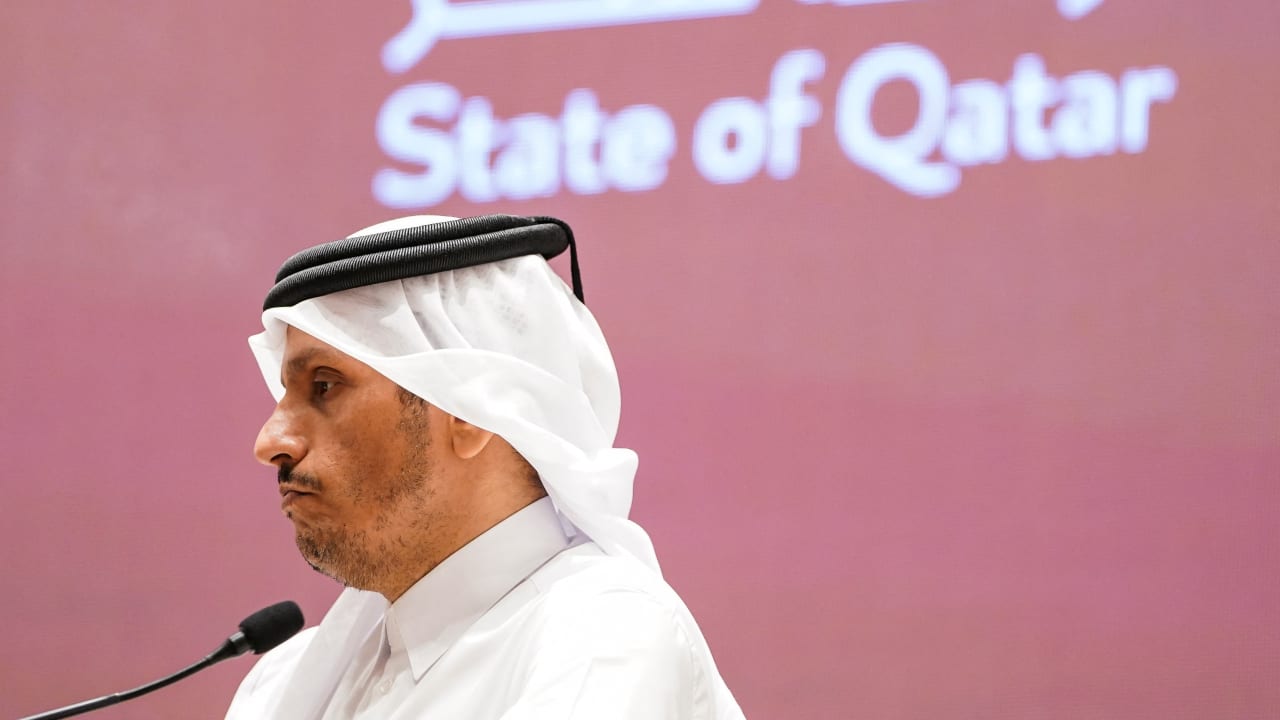
Qatar’s substantial investment in influencing the U.S. education system has sparked controversy and calls for an investigation. A recent report by the Institute for the Study of Global Antisemitism and Policy (ISGAP) reveals that Qatar has spent over $65 million over the past 17 years to shape educational narratives against Israel.
Overview of Qatar’s Investments
The funds in question primarily came from Qatar Foundation International, an organization that collaborated with various educational institutions, including primary and secondary schools, universities, and teacher training programs across the United States. While the foundation has openly supported initiatives to promote Arabic language studies, evidence suggests their efforts have extended into broader attempts to influence educational content and political narratives concerning the Middle East and Israel.
Impact of Educational Influence
The ISGAP report asserts that the foundation’s influence is extensive. It claims that these activities were more than isolated programs; they formed a systematic foreign influence operation targeting educational frameworks. Charles Asher Small, CEO of ISGAP, emphasized the need for a comprehensive federal investigation to scrutinize the ties between Qatari funding and American educational entities. This revelation has raised alarms about the extent to which foreign powers may shape political and cultural views within the U.S. educational landscape.
Political Responses
Following the report’s release, significant concerns emerged in Washington. Prominent political figures are urging federal authorities to investigate the relationship between Qatari funding and its potential influence on U.S. educational narratives. Just last week, President Donald Trump engaged in discussions with Middle Eastern leaders, including the Emir of Qatar, Tamim bin Hamad Al Thani. The President underscored the necessity for all involved nations to unite and endorse the Abraham Accords, a framework aimed at normalizing relations in the region.
The Broader Implications
This situation poses critical questions about foreign influence in the American education system, particularly regarding how funding may impact academic content and student perspectives on geopolitical issues. The unfolding narrative reflects a growing concern not just about academic integrity, but also about how foreign powers might manipulate educational platforms for political ends. As discussions evolve, the implications for educational policy, curriculum development, and diplomatic relations will likely be far-reaching.
This controversy serves as a reminder of the complex interplay between education, politics, and international relations. The need for transparency and accountability in funding sources for educational initiatives cannot be overstated, particularly when such funding intersects with contentious political issues like the Israeli-Palestinian conflict.