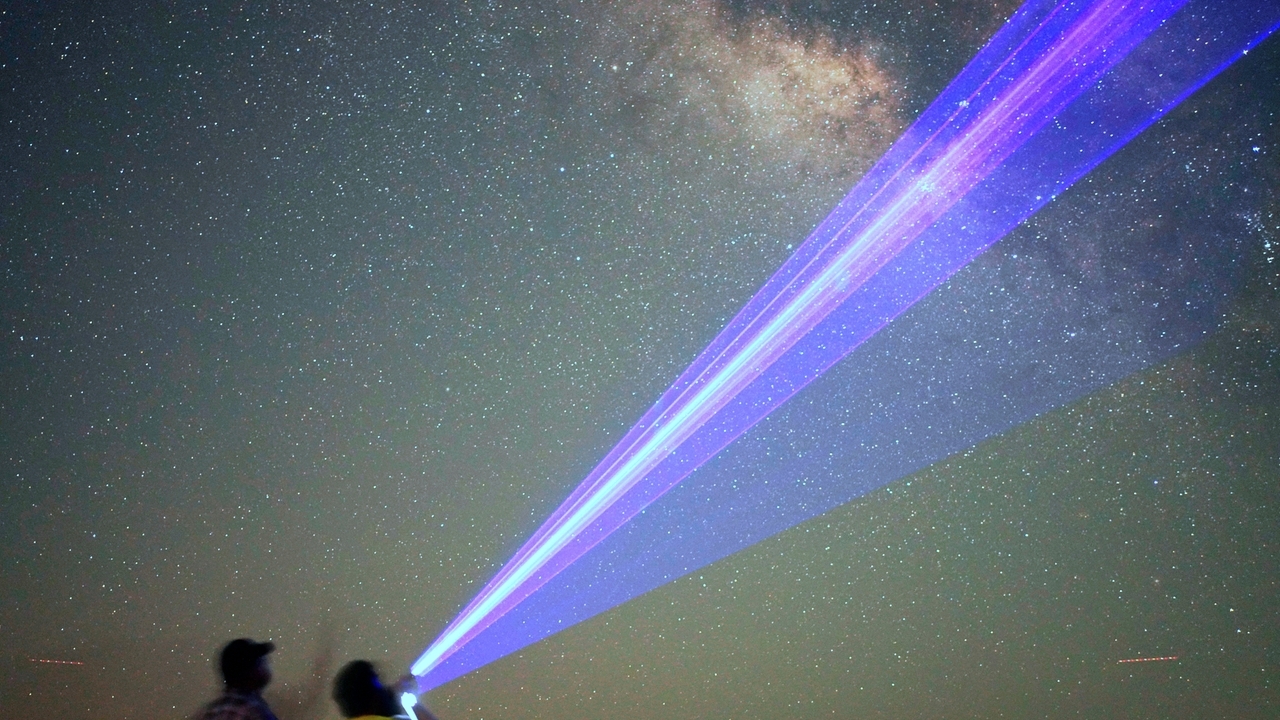
Reconnecting with the Night Sky in the UAE
In the UAE, where modern skyscrapers pierce the skyline, the dazzling lights symbolize rapid economic growth fueled by oil. However, amid this urbanization, a vital connection to nature—the star-filled night sky—has been largely obscured. This disconnection has sparked initiatives to help people rediscover the vast expanse of the heavens, particularly through organized stargazing events in areas like the Al Quaa Desert.
The Challenge of Light Pollution in Urban Settings
Light pollution is a significant issue in the UAE, ranking among the world’s most light-polluted countries. This problem is especially pronounced in major cities where the majority of the population resides. A 2016 study highlighted that an astonishing 99% of residents in the Emirates cannot view the Milky Way from their homes due to the overwhelming artificial lighting. From the bright glow of streetlights to mesmerizing LED displays at landmarks like Dubai’s Burj Khalifa, the urban landscape is a blaze of light that overwhelms the night sky.
Measures have been initiated to tackle this issue. Abu Dhabi has acknowledged light pollution through its “Dark Sky Policy,” implemented in 2024, which aims to regulate lighting across the emirate. However, Dubai continues to see an increase in illuminated structures that may hinder efforts to reduce light pollution. While Al Qudra Lakes offers some respite with its relatively lower light levels, the urban environments remain largely challenging for astronomy enthusiasts and casual stargazers alike.
Exploring the Desert to Find the Stars
Fortunately, the Al Quaa Desert provides a refuge from the city’s brightness. Located about 100 kilometers southeast of Abu Dhabi, this desert area is easily accessible and offers an unhindered view of the night sky. The journey involves a drive along major highways, leading eventually to unpaved roads that descend into the darker reaches of the desert, far removed from the twinkling lights of urban life.
Here, volunteers from the Dubai Astronomy Group have been instrumental in organizing stargazing events that allow participants to reconnect with the cosmos. In a recent excursion, families from diverse backgrounds gathered on carpets across the desert floor, eagerly waiting to witness the spectacle above them as the half-moon set against a gradually darkening sky.
Experiencing the Wonders of the Galaxy
As the Milky Way emerged in stunning detail, participants were reminded of the historical significance that the stars held for Bedouin communities. The activity was not merely observational; it was a cultural experience that rekindled a connection to the stories and navigational tools once used by desert dwellers. Under the guidance of knowledgeable volunteers, attendees marveled at the beauty of the galaxy and even caught glimpses of meteors creating fleeting trails across the sky.
Using telescopes to identify individual celestial bodies, some onlookers embraced the moment by lying back on the cool sand and capturing long-exposure photographs, attempting to immortalize the splendor of the universe. For a brief time, they transcended the realities of their bright urban lives, immersing themselves in a shared experience that celebrated the cosmos and their place within it.
As the evening concluded and participants returned to their cars, many reflected on a deeper understanding of their surroundings and the universe. “When we look at this Milky Way, we’re kind of involved in an activity, which is not new,” remarked one of the guides, emphasizing that such connections to the night sky have bound humans for centuries.
In revisiting the stars, the people of the UAE are not just witnessing a breathtaking celestial display; they are rediscovering their heritage while fostering a newfound appreciation for the natural world in their rapidly modernizing country.