
In the heart of the Arabian Peninsula, the United Arab Emirates (UAE) dazzles visitors with its iron-clad skyline and vibrant nightlife. However, this rapid urbanization has obscured a celestial heritage that once guided the nomadic Bedouins. As a result, many in the UAE have lost touch with the night sky, where countless stars twinkled brightly over the expansive desert for centuries.
The Importance of Stargazing
A dedicated group of volunteers, comprising members of the Dubai Astronomy Group, is on a mission to remedy this disconnect. They organize excursions to the Al Quaa Desert, one of the few remaining areas in the UAE free from excessive light pollution. This initiative aims to rekindle the public’s appreciation for the night sky, guiding people to rediscover the magic of stargazing. Sheeraz Awan, the group’s general manager, emphasizes the transformative experience of observing the celestial sphere. “It causes us to appreciate our existence in this galaxy,” he remarked during a recent stargazing event in late May.
Sadly, the UAE ranks among the world’s most light-polluted countries, sharing this dubious accolade with several neighboring Gulf states. According to a 2016 study, an astounding 99% of the UAE’s population is unable to see the Milky Way from their residences due to the overwhelming presence of artificial lighting. Streetlights, skyscraper illuminations, and extravagant displays like those at the Burj Khalifa contribute significantly to this luminous haze, leaving many yearning to reconnect with nature.
In response to this pressing issue, authorities in Abu Dhabi have initiated a “Dark Sky Policy,” designed to address the challenges posed by light pollution. In Dubai, however, the situation remains complex; urban development continues to prioritize eye-catching LED installations and billboards. Fortunately, places like the Al Quaa Desert, located approximately 100 kilometers southeast of Abu Dhabi, offer a rare refuge from urban brightness. The journey to the desert involves navigating well-lit highways and unpaved roads that lead into obscurity, making it a perfect escape for stargazers.
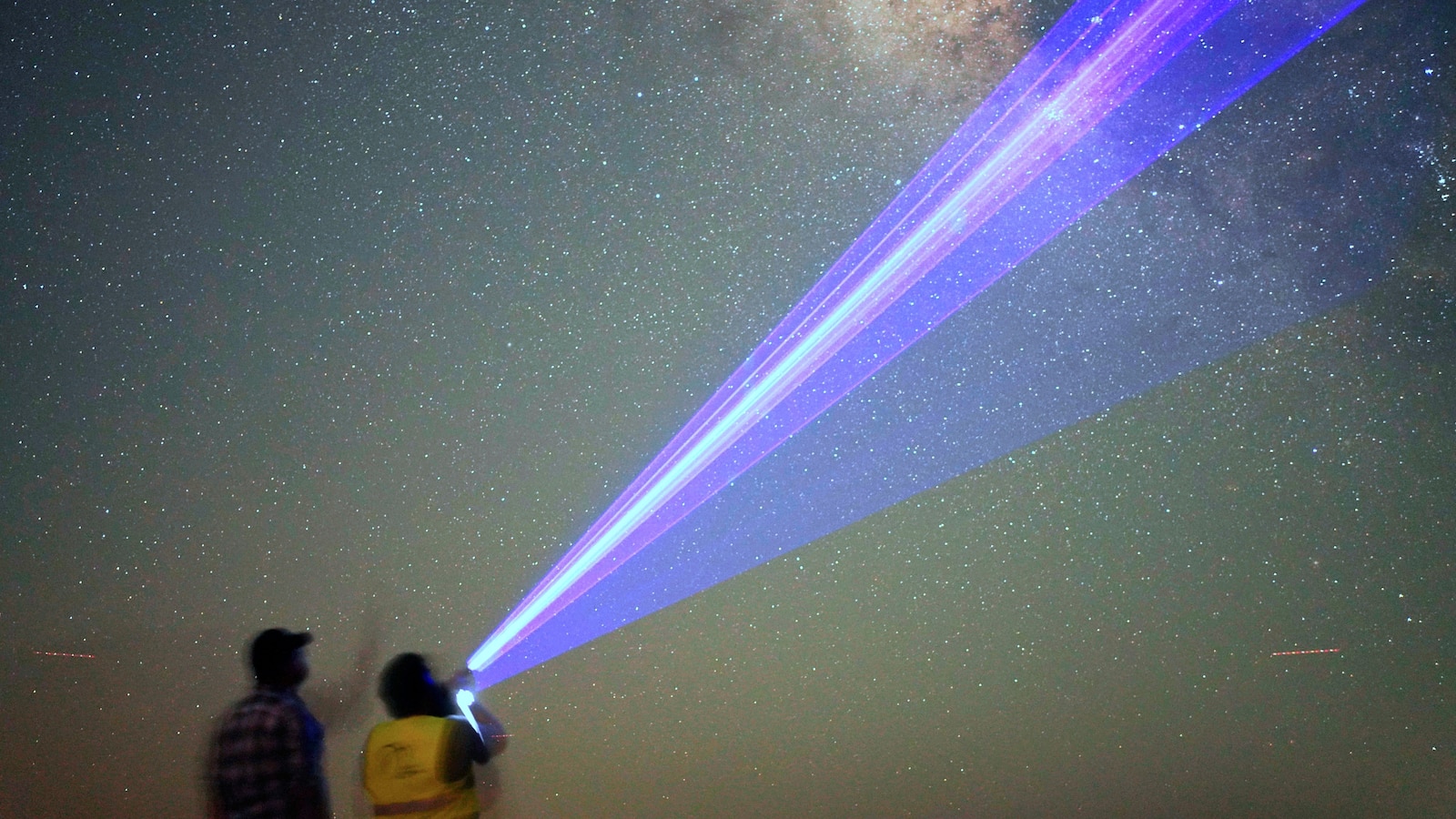
Once in the desert, groups gather under a sky rich with countless stars. On a recent trip, families from various cultural backgrounds joined hands in wonder as they gazed upward. The allure of the cosmos captivated them, with the Milky Way becoming discernible to the naked eye. Awan urged participants to appreciate what they were witnessing, highlighting different star formations with a laser pointer. The joy was palpable; one participant even exclaimed in excitement upon spotting the dazzling veil of stars.
This communal exploration of the night sky serves as a reminder of the enduring relationship between humanity and the cosmos. During these events, people not only witness the beauty of the universe but also engage in an age-old practice, much like the Bedouins who traversed the same dunes centuries ago. As Awan observed, “When we look at this Milky Way, we’re kind of involved in an activity, which is not new. It’s something that people throughout time have been engaged in.”
As participants returned to their vehicles, leaving behind the magical darkness of the desert, they carried a newfound awareness of the stars. For a brief moment, they experienced a connection that transcended time—a shared appreciation for the wonders of the universe that continues to captivate explorers and dreamers alike. The efforts of the Dubai Astronomy Group are reviving this profound relationship, reminding us to look up and marvel at the celestial mysteries above.