In a recent opinion piece, French Ambassador Frédéric Journès expresses disappointment regarding what he perceives as the “staged hostility” of the Israeli populace towards France. He portrays France as an ally facing misunderstandings amidst the ongoing conflict affecting Israel. However, this narrative ignores crucial realities about the evolving dynamics between the two nations.
A Clear Perspective on French-Israeli Relations
As a proud citizen of France, the United States, and Israel, I believe I can articulate the sentiments felt by many in Israel: the ambassador is not being misinterpreted; instead, his nation is viewed with disheartening clarity. It does not merely stem from differing opinions but rather from concrete actions that France has taken which contradict its role as an ally. These actions have not only undermined Israel’s security but have also raised serious ethical concerns during a time of vulnerability.
Key Events That Shape Our Perceptions
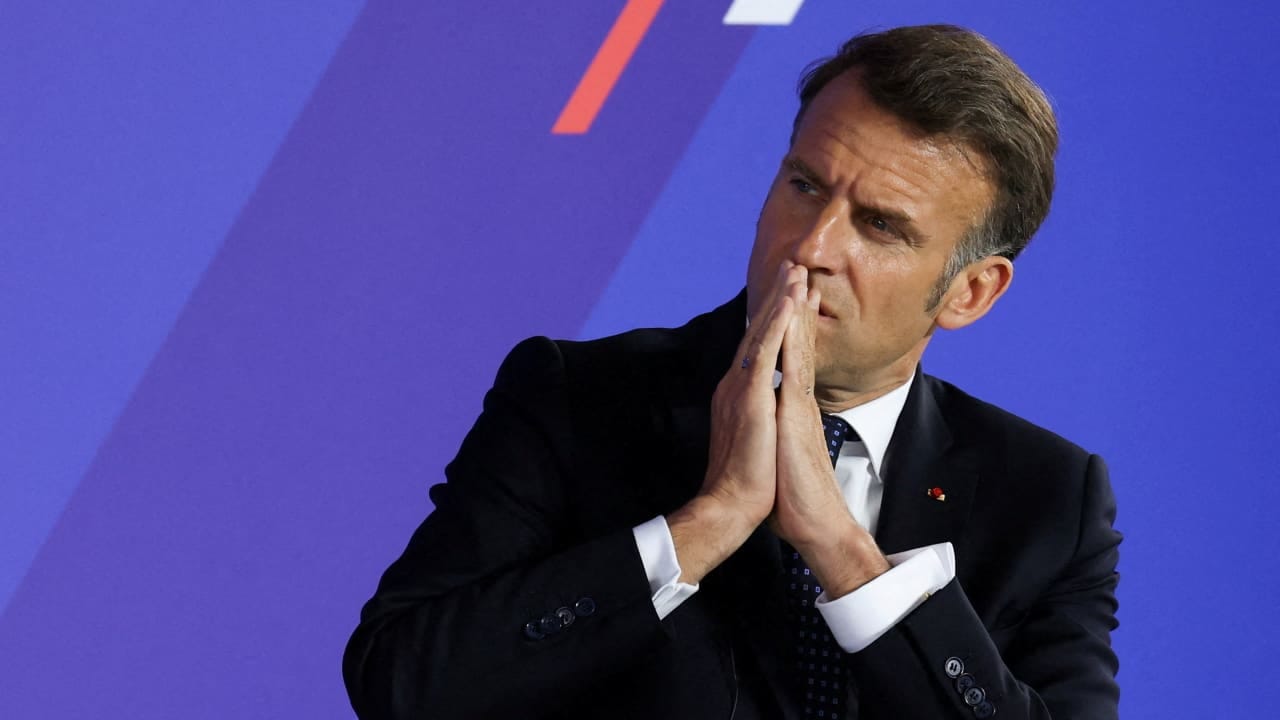
To truly understand the rift, we must examine the timeline of events that the ambassador overlooks. After the tragic incidents of October 7, when other Western leaders rushed to express solidarity with Israel, President Emmanuel Macron was conspicuously the last to arrive. This delay was not merely diplomatic nuance; it sent a clear message regarding the priorities of France in relation to Israel.
Furthermore, in the wake of rising antisemitism in Paris, Macron’s refusal to participate in a march against antisemitism shocked both the French-Jewish community and many in Israel. For a leader who frequently speaks about “Republican values,” his absence conveyed a troubling detachment from the moral responsibilities that come with leadership.
France’s Actions and Rhetoric
The ambassador attempts to justify France’s stance on Lebanon, yet he conveniently disregards the inflammatory rhetoric used during this process. Macron’s declaration that Israel was “spreading barbarism” in its struggle against Hezbollah contradicted the moral clarity many expected from a friend. Such language misrepresents the reality faced by Israelis and borders on an abandonment of their plight for the sake of maintaining France’s historical interests.
Compounding these tensions, France’s imminent recognition of a Palestinian state without requiring negotiations or considering the release of hostages held by Hamas is particularly egregious. This move does not pave the way for peace but rather encourages a dangerous dynamic where Hamas feels supported to perpetuate violence.
Inconsistent Support Raises Questions
Then came the troubling step of boycotting Israeli defense companies at significant exhibitions while publicly claiming to uphold Israel’s right to self-defense. This contradictory behavior raises significant questions about the sincerity behind France’s supposed support for Israel.
Ambassador Journès argues that a double standard is being applied to France, but in reality, it is France that applies inconsistent standards to Israeli security, often prioritizing its Mediterranean ambitions over its commitment to a long-standing ally. While I am critical of the current Israeli administration, I deeply care about Israel’s survival and security, which should not be treated as collateral in diplomatic negotiations.
In conclusion, the anger expressed by many in Israel is not contrived; it reflects genuine disappointment from a nation that once expected a more principled stance from an ally claiming to champion the values of liberty and equality. What we require is not mere platitudes but a clear commitment to supporting our right to exist without politicized agendas.