
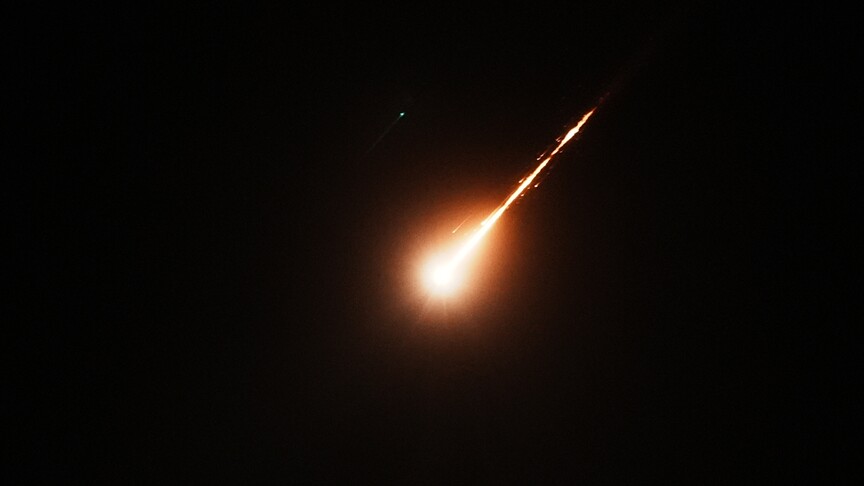
On July 28, 2026, U.S. Central Command (CENTCOM) announced a significant military operation involving joint precision airstrikes with Saudi Arabian forces against groups aligned with Iran in Iraq. This development highlights escalating tensions in the region, specifically regarding attacks orchestrated by the Islamic Revolutionary Guard Corps (IRGC).
Joint Military Operations Against Iran-Aligned Forces
The coordinated attacks, as stated by CENTCOM, aimed at militants reported to be directed by the IRGC, who have routinely targeted U.S. military personnel and critical energy infrastructure in Saudi Arabia. CENTCOM further clarified that both U.S. and Saudi fighter jets were deployed in these precise strikes, focusing on logistics and weapons facilities located in eastern Iraq. This targeted action was deemed necessary in response to a recent surge of over 30 drone assaults on various U.S. positions, attributed to the IRGC, in just the prior 72 hours.
Response to Ongoing Attacks
Remarkably, CENTCOM reported that all attempted attacks against U.S. forces during this period ended without success. They have longstanding concerns about the targeting of U.S citizens and military assets, especially given that between February and April of this year, Iran-aligned groups made over 600 “attempted attacks” aimed at American interests in Iraq. These figures reveal a broader strategy of aggression that has persisted, prompting a more direct response from U.S. military leadership.
The Need for De-escalation
CENTCOM underscored the urgency of halting these aggressive maneuvers, asserting that the IRGC and its affiliated terrorist groups must cease their offensive operations. Failure to do so could lead to intensified military responses from the U.S., which aims to safeguard both its personnel and international allies. The ongoing instability in the region accentuates the precarious nature of U.S.-Iran relations and the volatile environment that surrounds them.
Conclusion
With the recent coordinated strikes, the situation in Iraq serves as a stark reminder of the complexities involving U.S. foreign policy in the Middle East. The ongoing conflict necessitates a careful balance between military action and diplomatic efforts to promote stability. As stakes continue to rise, the international community will be closely monitoring how these military developments shape the future of U.S.-Iran relations and regional security.