
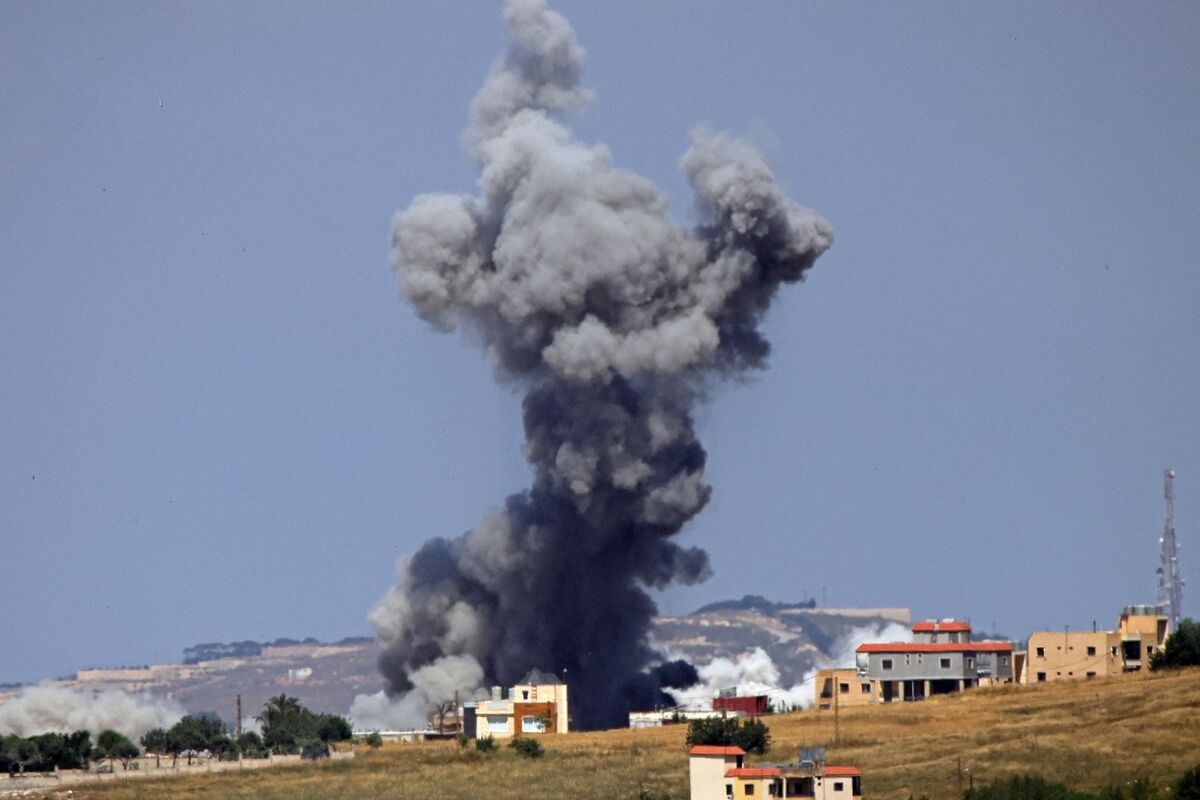
Israel has escalated its military operations in Lebanon, marking the most significant ground invasion in 25 years. This surge coincides with increased hostilities from Hezbollah, a formidable ally of Iran, targeting northern Israel. The conflict has raised concerns over regional stability and the implications for both countries involved.
The Resurgence of Military Engagement
The recent developments in the Israel-Lebanon conflict reflect a significant escalation in military engagement. Israel’s forces have entered deeper into Lebanese territory, a move that suggests a strategic shift in response to ongoing threats. This incursions are not merely a defensive posture but rather an offensive strategy aimed at countering the heightened aggressions from Hezbollah. As tensions simmer, both sides appear to be preparing for prolonged confrontations.
The Role of Hezbollah
Hezbollah, recognized as a strong Iranian ally, has intensified its attacks against Israel, which has prompted Israel’s more assertive military response. The group, well-equipped and highly organized, has a history of engaging in conflict with Israel, often employing tactics that blend conventional warfare with guerrilla strategies. The current situation indicates a broader military mobilization in Lebanon, as Hezbollah seeks to assert its influence amidst the escalating violence. This poses significant challenges for both the Israeli Defense Forces (IDF) and the international community, which is closely monitoring the situation for further developments.
International Implications
The unfolding conflict carries serious international implications, with potential repercussions that extend beyond the immediate region. Countries and organizations dedicated to maintaining peace in the Middle East are likely to engage in discussions aimed at de-escalation. The possibility of a protracted conflict raises questions concerning humanitarian impacts, regional alliances, and the role of foreign powers, particularly Iran, which continues to support Hezbollah. Global leaders and analysts are watching the situation carefully, anticipating attempts at diplomatic intervention before the conflict escalates further.
Looking Ahead
As Israel continues its military operations in Lebanon, the focus will undoubtedly turn to strategies for resolution and peace. Understanding the complex undercurrents driving the conflict is crucial for achieving lasting stability in the region. Analysts emphasize the importance of dialogue and negotiations, underscoring that any approach should encompass the interests and security concerns of both Israel and Lebanon. The next steps taken by both parties will be pivotal in shaping the future landscape of Middle Eastern geopolitics.
The recent escalation serves as a reminder of the fragility of peace in the region, underscoring the necessity for sustained diplomatic efforts to reduce hostilities. The world watches closely, hoping for a quick resolution to a violence that, if left unchecked, could spiral into a broader conflict with severe consequences.