
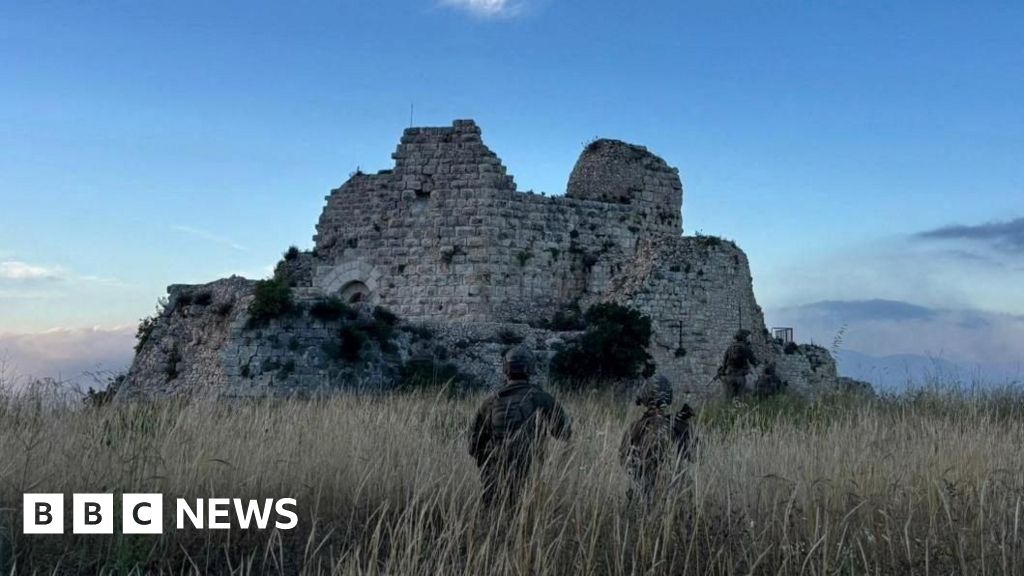
Just recently, the Israel Defense Forces (IDF) announced the successful capture of a significant strategic site near the Litani River—the historic Beaufort Castle. This impressive fortress, constructed by Crusaders approximately 900 years ago, not only offers a commanding view of the surrounding terrain but has also been a focal point of conflict throughout its storied history.
The Historical Significance of Beaufort Castle
Beaufort Castle, renowned for its architectural grandeur, was originally built to serve as a military stronghold. Its elevated position above the Litani River provided an advantageous vantage point, enabling defenders to monitor enemy movements across the valley. Over the centuries, control of this fortress has shifted numerous times, reflecting the ever-changing dynamics of power in the region. The castle itself is a testament to the strategic military importance that fortified structures held throughout medieval times.
Recent Developments in the Region
The IDF’s recent operation to capture Beaufort Castle marks a significant development in the ongoing tensions within the region. This successful acquisition not only enhances military positioning for Israeli forces but also symbolizes a major achievement for the IDF. The fortress’s capture is expected to alter the balance of power in the area, potentially impacting ongoing military strategies and operations. As geopolitical tensions continue to escalate, controlling key locations like Beaufort Castle becomes paramount for maintaining security and influence.
The Future Implications of the Capture
The occupation of Beaufort Castle offers both strategic advantages and potential challenges. As a historical site, its capture brings with it questions regarding preservation and the responsibilities of occupying forces. Moreover, maintaining control over such a critical location requires diligent oversight, as the presence of military power in the region can influence local dynamics and provoke unintended consequences. The long-term implications of this capture may extend beyond military strategy, encompassing diplomatic relations and local community perceptions.
Conclusion: A New Chapter for Beaufort Castle
The IDF’s capture of Beaufort Castle marks a pivotal moment in the ongoing narrative of conflict and control in the region. As one of the most historically significant fortifications in the area, Beaufort Castle is more than just a strategic military installation; it represents centuries of struggle for power and dominance. Moving forward, the focus will be on how this new development alters the landscape of regional politics and military operations. The future of Beaufort Castle will undoubtedly be monitored closely, as it continues to play a crucial role in the history and security of the region.