
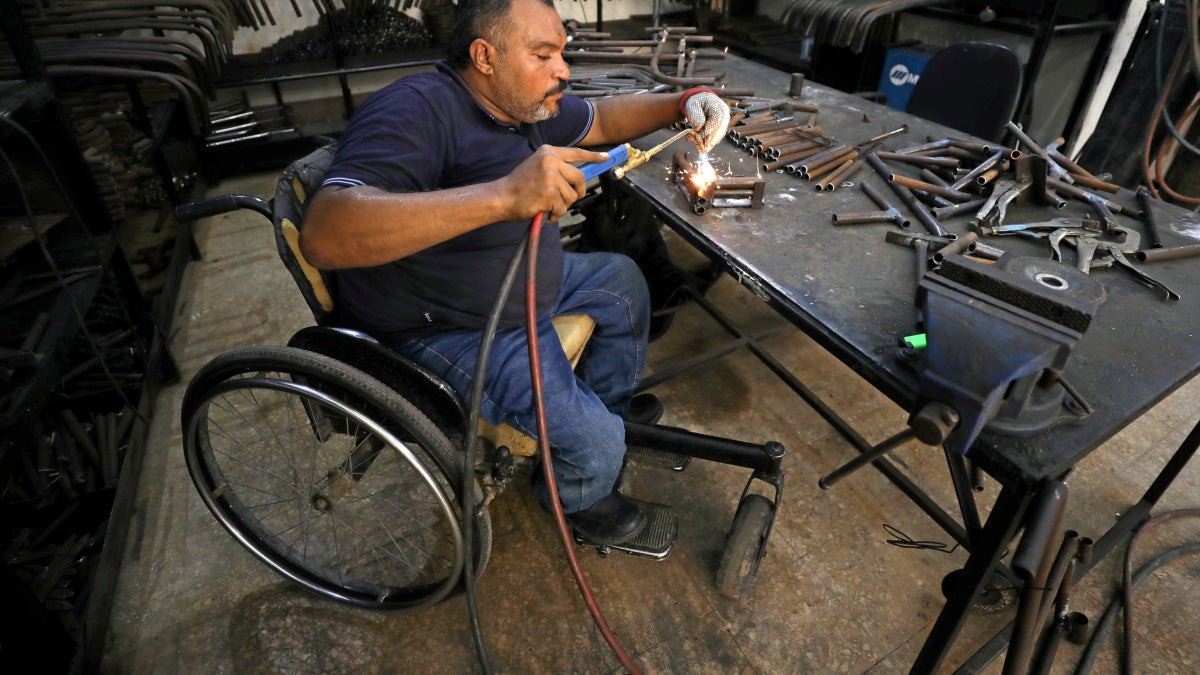
In Egypt, individuals with disabilities are confronting significant challenges that hinder their right to employment. Despite the introduction of a disability rights law in 2018 aimed at enhancing job opportunities for this population, implementation remains woefully inadequate. As a result, many are left grappling with systemic obstacles that stifle their potential and thwart their independence.
Barriers to Employment Opportunities
The labor market in Egypt poses unique difficulties for people with disabilities. One critical issue is the lack of awareness among employers regarding the skills and capabilities of individuals with disabilities. Many employers harbor misconceptions, often viewing them as less competent or less productive. This perception creates a significant barrier to hiring, as potential employers may be unwilling or hesitant to consider candidates with disabilities. Moreover, the physical work environment in many industries often lacks the necessary accommodations to support employees with diverse needs.
Insufficient Implementation of Disability Rights Law
Despite the enactment of the 2018 disability rights law, the enforcement and oversight of its provisions have been inadequate. Although the law was established to protect the rights of disabled individuals and promote their inclusion in the workforce, many aspects remain poorly executed. Public institutions, especially, have fallen short in providing the necessary support and accommodations required for individuals with disabilities to thrive in their roles. Without robust implementation, the laws intended to safeguard rights become ineffective, leaving many in a precarious situation.
Impacts on Economic Independence
The challenges faced by individuals with disabilities in Egypt do not only affect their professional lives; they also impact their economic independence. In a country where social safety nets may not be sufficient, the ability to work is critical for financial stability. Without access to meaningful employment, many are trapped in cycles of poverty and dependence. The lack of job opportunities not only diminishes their dignity but also limits their contribution to society as a whole.
Need for Comprehensive Reforms
For meaningful change to occur, comprehensive reforms are essential. This includes enhancing public awareness campaigns aimed at correcting myths surrounding disabilities and promoting the capabilities of individuals with disabilities. Furthermore, employers should be incentivized to hire diverse candidates and provide necessary accommodations. Education and training programs tailored to individuals with disabilities could also significantly improve their employability. It is vital for both public and private sectors to take proactive measures to cultivate an inclusive workforce that recognizes the value of diversity.
In conclusion, while the legal framework to support individuals with disabilities in Egypt exists, the reality on the ground tells a different story. Systemic barriers continue to persist, limiting access to employment and undermining economic independence. Advocacy for better implementation and comprehensive reforms is imperative to create an equitable workforce where everyone, regardless of ability, has the opportunity to thrive.