
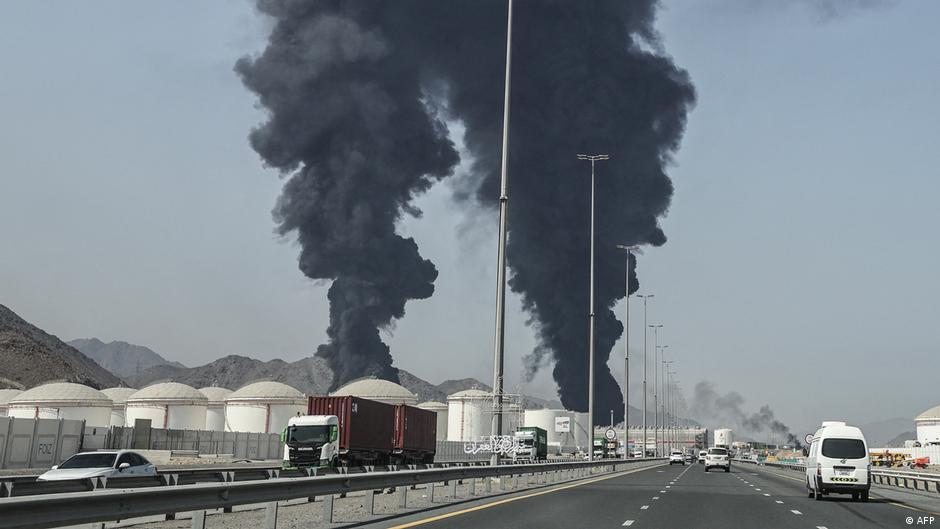
The ongoing conflict involving Iran has significantly impacted the stability of Gulf countries, which are currently grappling with security threats from missile and drone attacks. As Tehran targets various locations, including US military facilities and civilian energy infrastructures, the need for stability in this volatile region has become increasingly pressing.
Gulf Nations Under Siege
Since the outbreak of hostilities in February, Gulf Cooperation Council (GCC) countries, including Kuwait and the United Arab Emirates (UAE), have experienced relentless missile and drone barrages from Iran. For instance, Kuwait reported its air defenses successfully intercepting such threats as US forces targeted Iranian military installations in southern regions. The GCC nations, closely aligned with Washington, are particularly susceptible to escalating tensions, emphasizing the urgency for collective defense measures.
The regional leaders recently convened in Saudi Arabia to devise a unified response to Iranian aggression. Between the beginning of the war and an announced ceasefire, Iran launched over 4,000 attacks, underscoring the precariousness of Gulf infrastructure and economies. Although Iranian assaults have diminished, nations in the region remain on high alert, acutely aware of the potential for renewed conflict. With a cautious eye on Iran, GCC leaders have pressed for assurances that Tehran will cease its hostile activities before any meaningful diplomatic engagements can take place.
Fostering Regional Stability
The leaders of GCC states have made it clear to the United States that simply concluding the war is insufficient; they demand a significant reduction in Iran’s capabilities to launch threats across the region. Babak Dorbeiki, a political analyst, expressed that any improvement in Iran’s relationships with its neighbors hinges on tangible diplomatic and economic actions to alleviate regional tensions. However, nearest neighbors to Iran view the country with heightened suspicion, complicating not just diplomatic discussions but affecting trade routes and energy corridors as well.
The UAE has specifically highlighted that any diplomatic path forward necessitates an end to Iranian attacks on neighboring states. Meanwhile, Qatar’s Foreign Ministry cautioned against the emergence of a “frozen conflict,” stressing that unresolved tensions could reignite based on political expediency. Iran has inadvertently strained relationships with countries that previously supported it economically. This shift could have long-lasting impacts, pushing Gulf states to coalesce around mutual distrust of Iran, with repercussions extending into trade and regional cooperation.
Integral Geography in Diplomatic Solutions
Reza Alijani, another political analyst, argues that geography will compel a degree of accommodation among neighboring states. Knowing that physical proximity cannot be ignored, he notes that any restoration of relations will unlikely translate into genuine trust; rather, it may lead to a tactical reduction in hostility. The complex interplay of shared interests—pipelines, trade, and regional security—could pave the way for a limited cooperative framework, albeit without erasing longstanding animosities.
Despite Iran’s calculated power projection, which largely relies on its missile capabilities and proxy militias, Arab states are increasingly looking towards integrated defense systems and alternative energy corridors. As regional dynamics shift, a focus on unity among Gulf nations may inadvertently foster greater economic collaboration as a counter to Iranian influence. Yet, achieving a stable regional order would necessitate a reevaluation of Iran’s aggressive foreign policies, along with a commitment to less confrontational relations with other nations.
Achieving a stabilized Middle East will demand more than diplomatic agreements; it requires a transformation within Iran’s policies and a commitment toward regional peace. Until such fundamental changes occur, the existing hostilities are likely to persist, limiting the region’s potential for productive partnerships and enduring stability.