
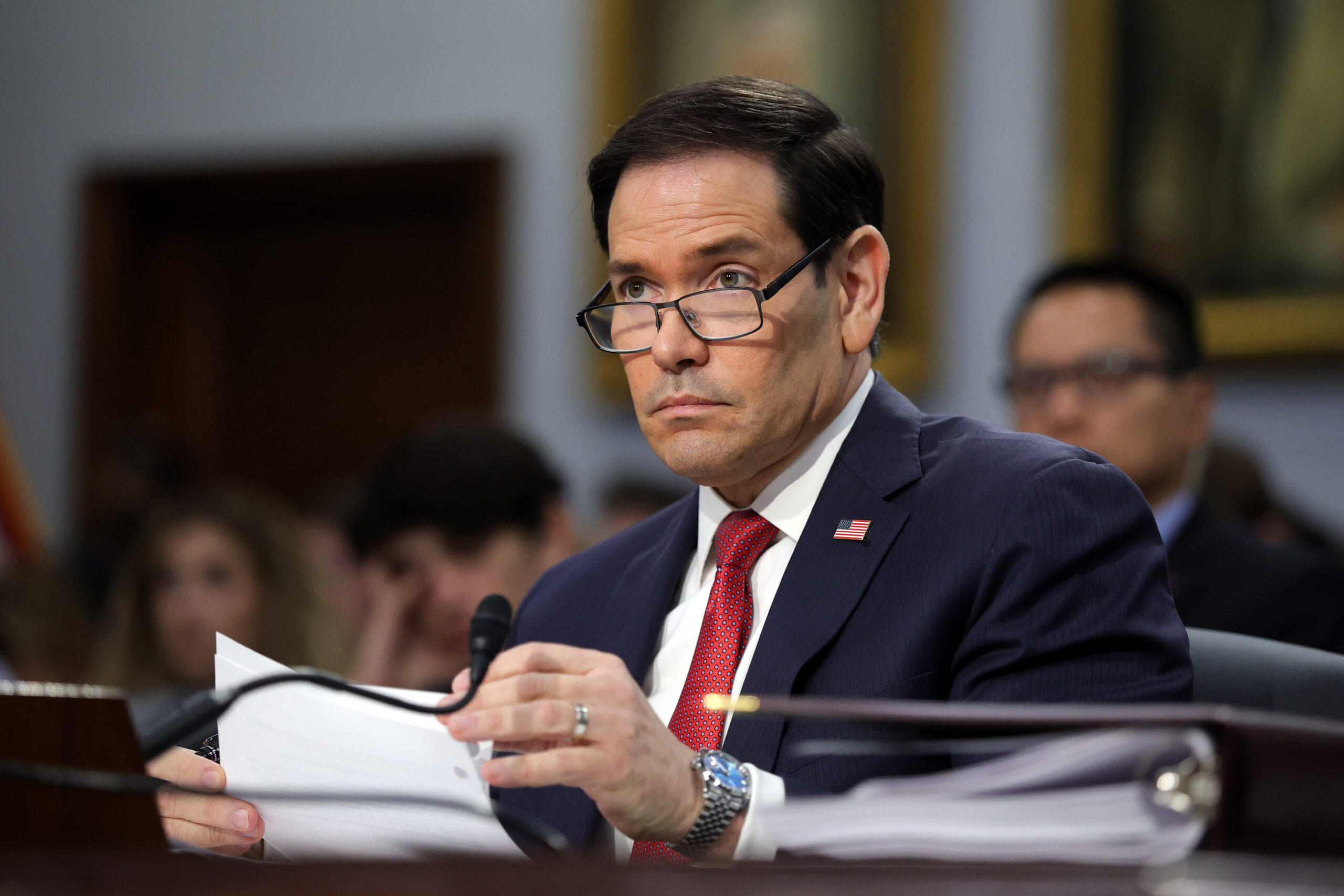
In recent discussions regarding U.S. military support for Israel, Secretary of State Marco Rubio revealed that there’s an ongoing dialogue about reducing this assistance. This proposal, advanced by Israeli officials, seeks to transition away from reliance on U.S. aid, similar to previous reductions in non-military economic support that occurred about fifteen years ago.
Shifting Military Aid Dynamics
Rubio highlighted that Israeli Prime Minister Benjamin Netanyahu and his administration have expressed interest in gradually decreasing U.S. military aid over the next decade. The intention is to eventually eliminate this financial support altogether. He stated, “They want to move from their current funding levels to lower amounts each year until reaching zero.” This strategic move is part of broader negotiations surrounding the next memorandum of understanding (MOU) on military assistance between the United States and Israel.
At the same hearing hosted by the House Appropriations Committee, Rubio noted that discussions currently involve high-ranking officials, including Israeli Ambassador Yechiel Leiter. These talks extend beyond mere diplomatic chatter and involve dialogues with the U.S. Department of Defense. The Israeli government has reportedly put forward this proposal multiple times privately over the past year, although Netanyahu is now publicly advocating for this initiative.
No Assistance in Defense Purchases
Rubio emphasized that while nothing has been finalized, the goal for Israeli leaders is to end up in a situation where they can procure defense products from the U.S. without receiving any assistance in financing these purchases. This signifies a fundamental shift in how defense relationships between the two nations could evolve, prioritizing a self-sufficient Israeli defense model in the long term.
Simultaneously during the hearing, Rubio addressed the challenges hindering the ongoing ceasefire and reconstruction efforts in Gaza. He attributed the stalemate to Hamas’ refusal to comply with demilitarization requirements. According to him, the deployment of an international stabilization force is contingent upon Hamas’ readiness to meet these demands. The original plan called for this force to play a critical role in disarming Hamas, but questions remain about other nations’ willingness to contribute troops to such a mission.
Regional Pressures and Future Assistance
Various partners in the region are also putting pressure on Hamas to move toward demilitarization. Additionally, potential investors and donors have expressed willingness to provide funds for Gaza’s reconstruction. However, actual assistance can only commence once Hamas moves forward in disarming itself. As these discussions evolve, the U.S. administration remains firm in its stance against any shifts in the status quo regarding the West Bank. Rubio clarified that any attempts by Israel to annex territory could further complicate U.S. efforts in facilitating a peace plan for Gaza.
The future of U.S.-Israel military assistance is indeed in a state of transition. As dialogues commence around scaling down aid, the realm of potential effects on regional stability and peace initiatives hangs in the balance. With pressing conditions tied to Hamas’ actions, the path forward will require diplomatic finesse and cooperation among multiple stakeholders. The situation remains fluid, and the global community will be closely monitoring developments in this high-stakes diplomatic arena.