
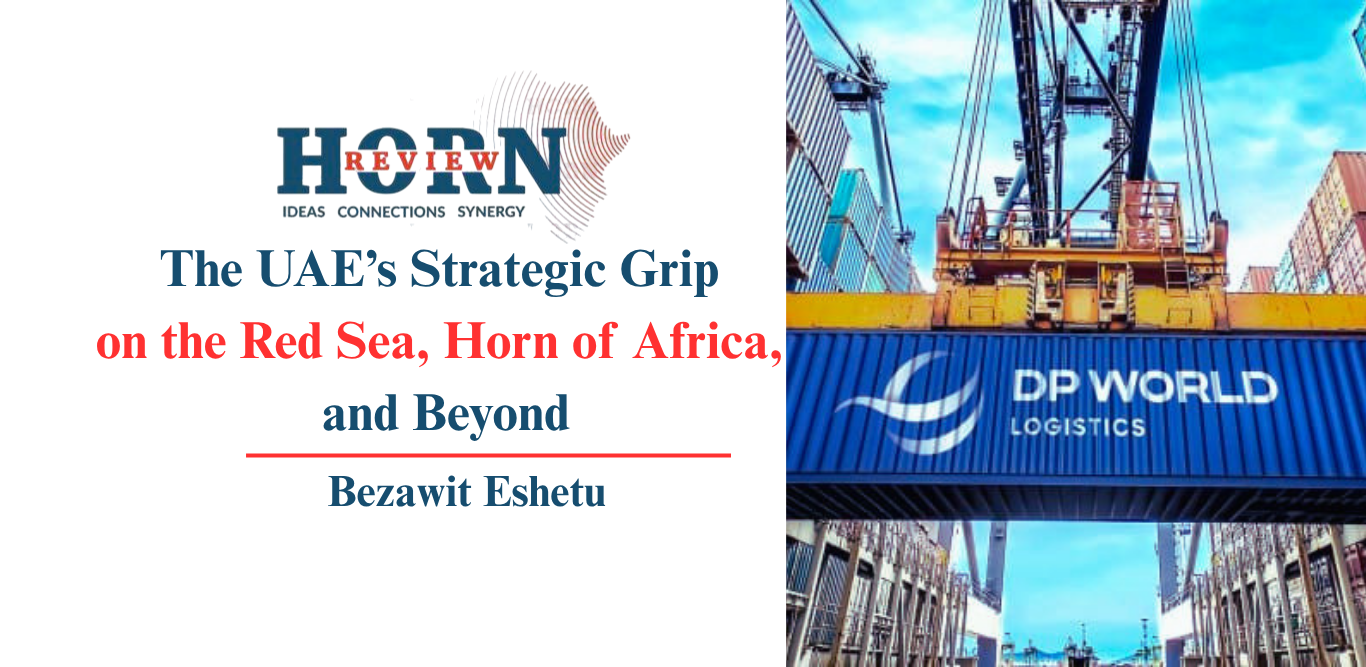
The strategic expansion of the United Arab Emirates (UAE) into maritime infrastructure across the Red Sea, Mediterranean, and Horn of Africa signifies a pivotal shift in its economic and geopolitical landscape. Traditionally confined to the Persian Gulf, which is susceptible to threats from the Strait of Hormuz, Abu Dhabi has invested in port facilities and infrastructure abroad to create a far-reaching network. This strategy is aimed at enhancing its logistical capabilities, boosting security, and projecting power in a volatile region.
Strategic Acquisition of Maritime Infrastructure
The UAE’s move to acquire key port assets is driven by the need for greater economic security and resilience. By integrating its companies, such as DP World and AD Ports Group, into neighboring countries’ infrastructure, the UAE ensures that its capabilities are embedded within vital regional supply chains. This integration allows the UAE to exert influence over trade routes while reducing its reliance on narrow maritime chokepoints that could be easily disrupted during crises. The presence of Emirati entities in foreign ports not only serves to enhance their operational scale but also secures strategic leverage against economic rivals, particularly Saudi Arabia.
New Routes and Bypasses
One of the UAE’s key strategies is establishing alternative shipping routes to bypass the vulnerable Strait of Hormuz. The Abu Dhabi Crude Oil Pipeline acts as a critical overland conduit, allowing crude oil to reach Fujairah on the Gulf of Oman, thus eliminating dependence on the Persian Gulf. From Fujairah, tankers can enter the open Arabian Sea, greatly reducing exposure to threats. The UAE’s infrastructure in the Horn of Africa, including strategic ports in Somaliland and Puntland, not only provides operational security but also offers key logistical capabilities for ship-to-ship transfers in times of conflict.
Regional Dynamics and Geopolitical Tensions
The UAE’s maritime strategy has led to significant geopolitical shifts, particularly concerning its primary rival, Saudi Arabia. Investments along the Arabian Peninsula create a geo-economic chokehold, as Emirati entities establish operational presences that border and impact Saudi interests. In response, Saudi Arabia and Egypt have attempted to consolidate their maritime governance through a principle that emphasizes the rights of littoral states, aiming to exclude non-coastal nations like the UAE from maritime security discussions. This ongoing contest is exacerbated by events such as the civil war in Sudan, where competing interests of local factions pose risks to Emirati investments.
The Transformation of Maritime Power
Through interconnected infrastructure developments, the UAE is not only securing its regional interests but is also laying the groundwork for broader transcontinental ambitions. Agreements like the AD Ports deal in Jordan and various projects across Egypt enable the UAE to create a sophisticated logistical network that reaches European markets without relying on traditional routes. With the establishment of alternative pipelines and the enhancement of ports along the Gulf of Aqaba and Egyptian coastline, the UAE is positioned to expand its influence economically and strategically in the Eastern Mediterranean, thereby redefining maritime sovereignty and power dynamics in the region.
In sum, the UAE’s calculated approach towards maritime infrastructure is reshaping its geopolitical narrative. By diversifying its trade routes and embedding itself in neighboring economies, the UAE ensures that it not only mitigates its geographical vulnerabilities but also reinforces its influence over critical maritime corridors, ultimately redefining the strategic landscape of the Middle East and North Africa.