
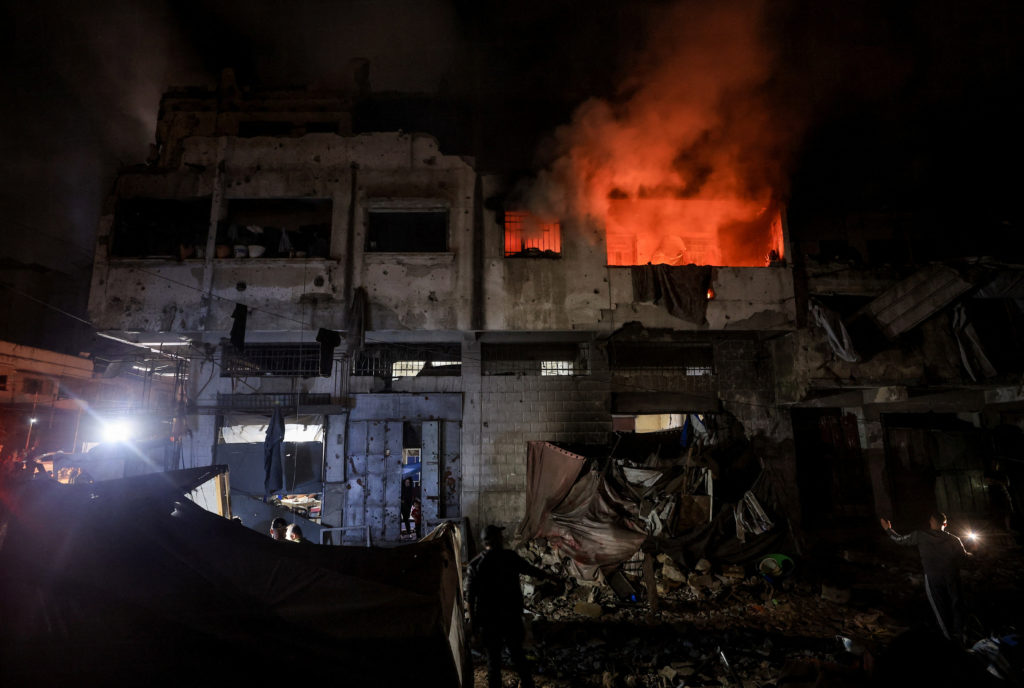
Ceasefires in the Middle East have often been announced amidst much optimism, yet fighting continues unabated. Recently, territorial gains have been made by Israeli forces in Gaza and Lebanon, despite claims of de-escalation. The ongoing violence raises crucial questions about the effectiveness of these truces and the underlying complexities of the conflicts.
Conflict Escalates in Gaza
In Gaza, Israeli forces have not only expanded their control but have also targeted key Hamas leaders, resulting in significant casualties. Despite the purported ceasefire established in October, Hamas remains armed, and Israeli troops continue their operations. The anticipated international stabilization force has yet to materialize, leaving many Palestinians in dire conditions. Hundreds of thousands are living in makeshift camps, plagued by inadequate sanitation and constant fear of attacks. The U.S. and Israel attribute the ongoing violence to Hamas’s reluctance to disarm, while Hamas counters that Israeli airstrikes violate the terms of the ceasefire. With Israel reportedly controlling about 60% of Gaza, tensions show no sign of easing as Prime Minister Netanyahu expresses intentions to further expand territorial control.
Lebanon: A Fragile Stalemate
In Lebanon, a ceasefire reached in April has done little to halt hostilities between Israel and Hezbollah. Intense exchanges of fire continue, particularly in the southern region. Israel’s recent capture of historic sites signals its deepest incursion into Lebanese territory in decades, further straining relations. Hezbollah’s response has included more aggressive rocket attacks on northern Israel, intensifying the already fraught atmosphere. Despite a commitment to the earlier truce, Hezbollah remains on edge and is likely to respond vigorously to perceived threats. Israel asserts its right to strike should any militant activity occur, exacerbating the cycle of violence. The prospect of a diplomatic resolution appears increasingly remote as hostilities continue unabated.
U.S.-Iran Tensions Persist
Tensions between the U.S. and Iran add another layer to this complex geopolitical landscape. While a ceasefire was established to halt regional aggression, negotiations have stalled over Iran’s nuclear program. Both countries have exchanged military provocations, complicating the path toward a lasting resolution. Iran’s control over critical transit points like the Strait of Hormuz contributes to the global energy crisis, while U.S. naval blockades complicate matters further. Recent confrontations include U.S. airstrikes against Iranian sites following the downing of American drones, illustrating the volatility of the situation. As both sides continue to push their agendas, achieving a sustainable peace remains elusive.
In summary, while ceasefires in Gaza and Lebanon were meant to foster hope for peace, the reality appears grim. The layer of complexities, including territorial disputes, civilian suffering, and geopolitical ambitions, complicate any efforts for a lasting resolution. With both Israel and Hamas entrenched in their positions, and the U.S. and Iran locked in a precarious standoff, the region continues to experience immense turmoil, challenging the prospects for any meaningful compromise or reconciliation.