
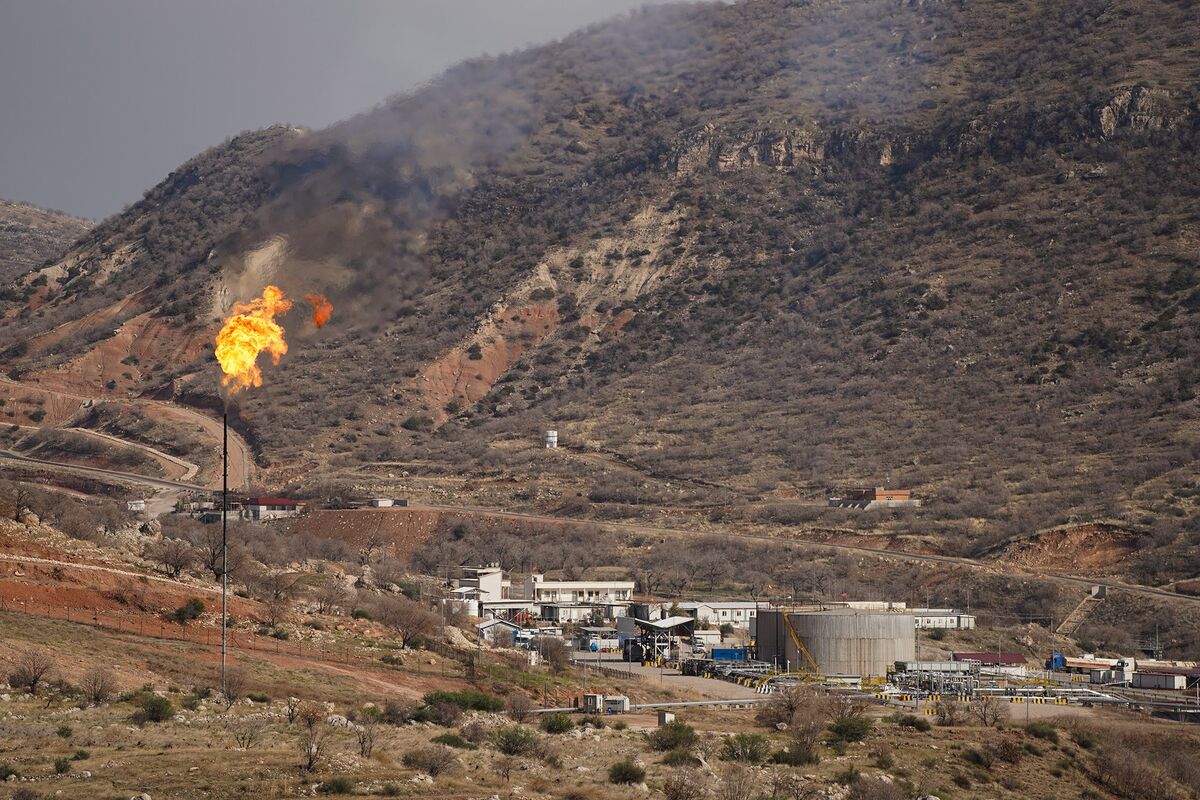
Iraq is on the verge of significantly increasing its crude oil exports through a pipeline in the semi-autonomous Kurdistan region. This bold move aims to mitigate the effects of the recent bottleneck in the Strait of Hormuz, which has impacted the country’s oil revenues. As a member of OPEC, Iraq recognizes the need to diversify its export routes, and this pipeline expansion is a key step in achieving that goal.
Expansion of Oil Exports
Iraq’s plan to expand its oil exports is designed to more than triple the current output from the Kurdistan region. The government believes this initiative will not only enhance its revenue stream but also solidify its position in the global oil market. By diversifying its export channels, Iraq is looking to reduce its dependency on traditional routes along the Strait of Hormuz, which has historically been a strategic passage for oil shipments.
This expansion is expected to involve significant investments in infrastructure and technology. The Iraqi government is working closely with local authorities in the Kurdistan region to ensure that the expansion project meets international standards and can operate efficiently. Increased production and export capabilities will enable Iraq to leverage its substantial oil reserves, thus promoting economic stability.
Strategic Importance of the Pipeline
The pipeline in the Kurdistan region holds significant strategic value for Iraq. It provides an alternative route for oil exports, allowing the country to circumvent issues related to geopolitical tensions and security threats that often plague the Strait of Hormuz. By enhancing this pipeline, Iraq can uphold its oil output while minimizing risks associated with relying solely on one export route.
Furthermore, this initiative will not only benefit the Iraqi government but also local communities in the Kurdistan region. Enhanced oil revenues could lead to improved public services, infrastructure projects, and job creation in the area. The local economy stands to gain substantially from increased export activity, fostering an environment of growth and opportunity.
Long-term Implications for Iraq’s Oil Industry
In the long term, this expansion project is poised to reshape Iraq’s oil landscape. Increased exports through the Kurdistan pipeline will likely attract foreign investments and partnerships, essential for modernizing the sector. As Iraq positions itself as a reliable oil supplier in a volatile market, it may also enhance its bargaining power within OPEC and with other oil-producing nations.
Additionally, a diversified export strategy will allow Iraq to be more resilient to global oil price fluctuations. By not relying solely on traditional routes, the nation can better manage its oil revenues and allocate resources more effectively, fostering sustainable economic growth.
Iraq’s ambitious plans for its oil exports through the Kurdistan pipeline underscore the country’s determination to rise above its challenges and capitalize on its natural resources. With strategic investments and a focus on strengthening infrastructure, Iraq is setting the stage for a brighter economic future, built on the foundation of its vast oil reserves.