
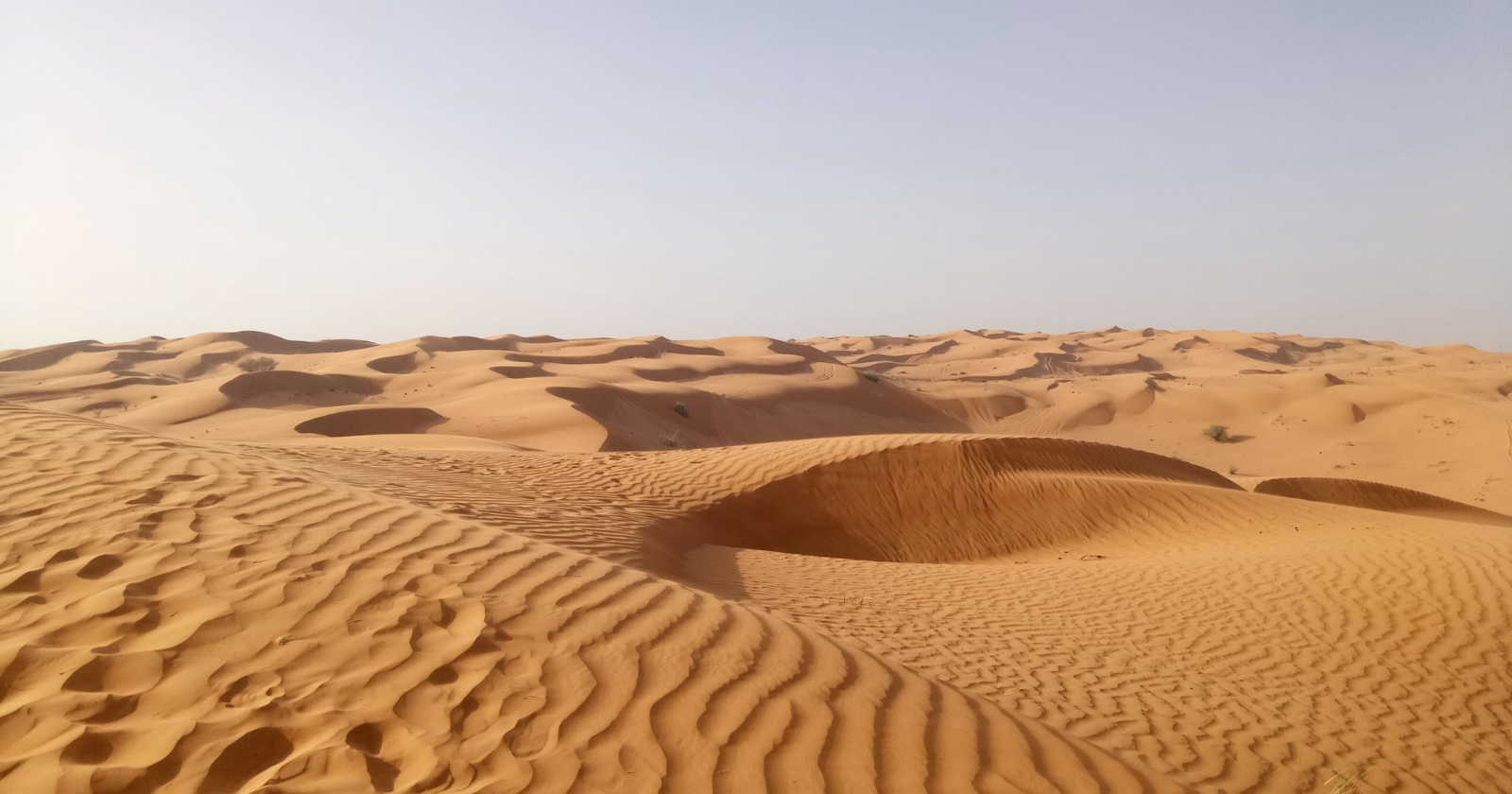
In 2023, Saudi Arabia reportedly imported nearly $140,000 worth of construction-grade sand from Australia. While this figure may seem minimal, it signifies a larger trend in the construction industry, especially in a nation largely characterized by vast sand deserts. Interestingly, the sand in these deserts is unsuitable for construction purposes; its shape and texture prevent it from effectively bonding with cement. To support its ambitious construction projects like NEOM and the Red Sea Project, Saudi Arabia must turn to imports, underscoring a paradox where an abundance of desert sand cannot fulfill the demands of modern architecture.
The Inadequacy of Desert Sand
The science of sand is well-documented, revealing why desert sand falls short for construction needs. Sand is primarily formed through various processes, which significantly affect the shape of the grains. Grains shaped by rivers or glaciers generally have angular surfaces that interlock effectively when mixed with concrete. In contrast, desert sand, sculpted by wind over thousands of years, results in smooth, rounded grains that behave like ball bearings in a wet mix. These rounded grains fail to bond with cement, leading to weak concrete structures. For massive projects like high-rise buildings or long bridges, the structural integrity provided by angular sand is non-negotiable, making imports essential for Saudi Arabia.
Sources of Imported Sand
Sand imports to Saudi Arabia predominantly originate from countries with ample water-eroded sand reserves and established export networks. Australia is a key supplier, contributing significantly to the global sand market with around $273 million worth of exports in 2023. Other Gulf countries frequently source sand from Australia due to its favorable geological conditions, which produce the angular grains essential for concrete production. This trade dynamic highlights an illogical yet economically necessary process: countries like Saudi Arabia, rich in sand, must import the right kind for construction projects, revealing the complexities involved in meeting industrial demands.
Global Sand Consumption and Environmental Impact
Saudi Arabia’s sand import challenges reflect a worldwide trend where the demand for sand has surged dramatically, driven by urbanization and construction. The United Nations Environment Programme reported that around 50 billion tonnes of sand and gravel are extracted globally each year. This figure represents a significant increase from 1970, positioning sand as the world’s second most consumed natural resource after fresh water. Unfortunately, most of the usable sand is found in river systems and coastal regions, not in deserts. The unchecked extraction of sand is leading to serious environmental degradation, including erosion, habitat destruction, and the collapse of ecosystems.
Considering Alternatives for Sand Use
In light of these challenges, intelligent strategies are being pursued to address the sand deficit. One of the promising solutions is manufactured sand, created by crushing rocks into angular grains that meet concrete specifications. Another approach involves recycling concrete from deconstructed buildings for use in new construction. Saudi Arabia is investing in these technologies as a component of its Vision 2030 infrastructure plan, looking to decrease its dependence on imported sand. However, the fundamental issue remains: the rounded grains in its deserts, shaped by aeons of wind, will persist as an unsuitable option for quality construction. The paradox of being a desert nation that must seek out viable sand for construction continues to challenge Saudi Arabia’s economic development and infrastructural ambitions.