
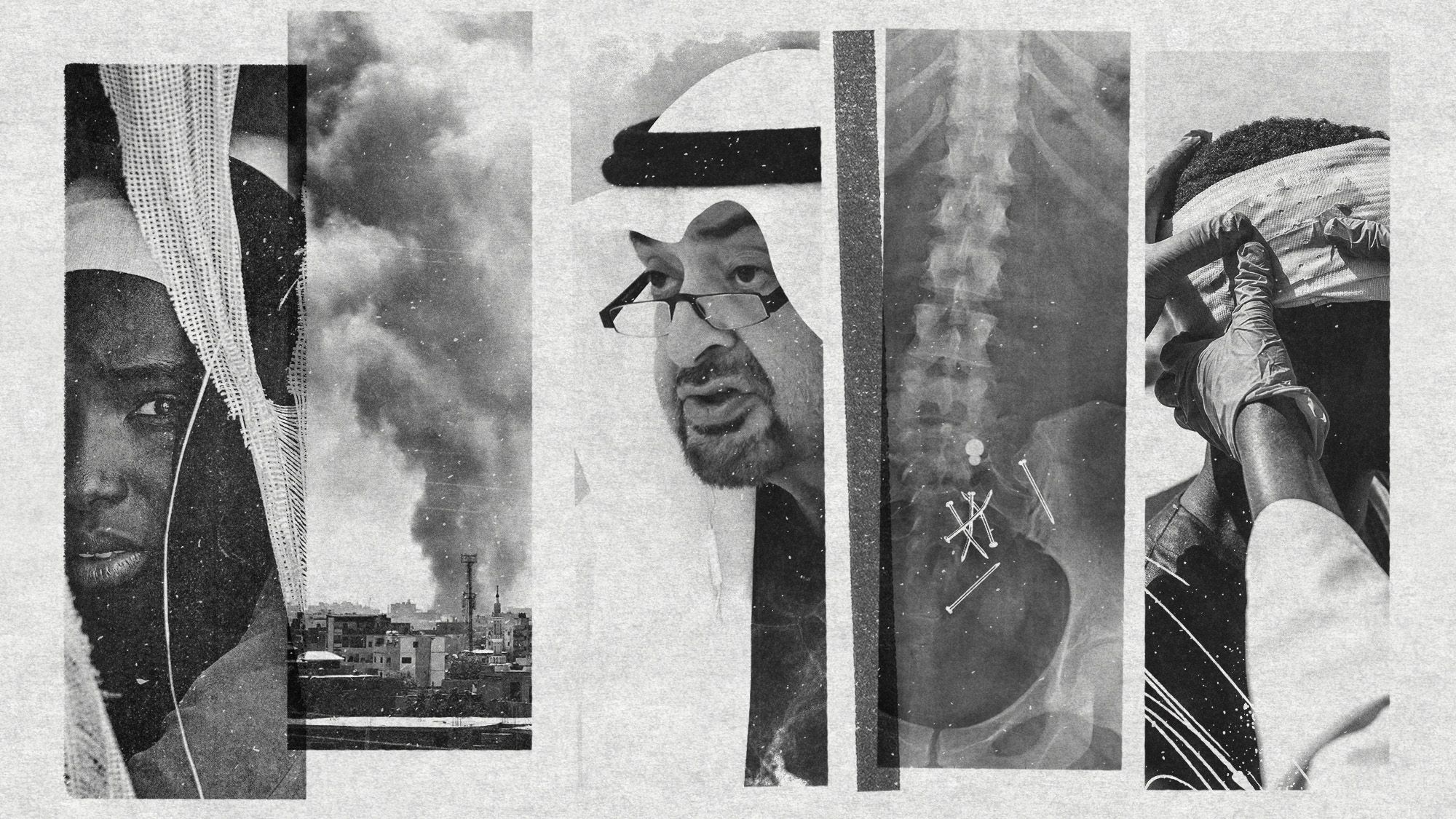
Colombian mercenaries, trained in the United Arab Emirates, have been implicated in serious human rights violations during the civil conflict in Sudan. Reports released by Human Rights Watch and the Conflict Insight Group detail these mercenaries’ involvement in assaults led by the Rapid Support Forces (RSF), a paramilitary group embroiled in the ongoing violence. The allegations claim that these Colombian troops, hired by Global Security Services Group—a security firm based in Abu Dhabi—played a crucial role in the RSF’s attack on El Fasher in North Darfur, which involved widespread atrocities including killings and sexual violence.
The Role of Colombian Mercenaries
The findings point to the UAE’s military and financial backing for the RSF, which has faced accusations of engaging in war crimes and crimes against humanity. According to Human Rights Watch, it appears that hundreds of Colombian mercenaries underwent training facilitated by Emirati personnel at a military installation more than a hundred miles from Abu Dhabi, followed by additional training in the capital itself. After completion of their training, these mercenaries were dispatched to Sudan to assist the RSF in their military operations.
The UAE has consistently denied providing support for the RSF. However, the Conflict Insight Group states that their research establishes a clear connection between Abu Dhabi and the RSF and indicates the longstanding use of mercenaries as part of the UAE’s broader strategy for enhancing its influence in regional conflicts.
The Broader Context of the Conflict
The Sudanese government has described its battle against the RSF as a necessary defense against foreign intervention. Sudan has attracted international scrutiny due to the multitude of mercenaries and significant external support, including advanced weaponry. Reports indicate that arms intended for the RSF, produced in Bulgaria, were acquired by an Emirati company before being confiscated in Libya. This has raised questions regarding the legality and ethics of the UAE’s military involvements, especially given evidence that Chinese weaponry has also been found in use by the RSF forces.
Human Rights Watch argues that the UAE’s actions typify its willingness to intervene militarily in neighboring nations to assert its power, often disregarding international laws and human rights treaties. These ongoing violations have drawn condemnation from numerous humanitarian organizations, which emphasize the urgent need for accountability.
The Impact of the Reports
Amidst the growing evidence of the UAE’s support for the RSF, calls for international intervention are intensifying. Refugees International asserts that immediate action is crucial, including strengthening current embargoes and pressuring corporations that engage with the UAE to reassess their affiliations until the country ceases its military support to the RSF. In line with this, recent actions by media outlets, such as Sky News’ withdrawal from a joint venture in the UAE, reflect rising concerns over the editorial influence the UAE exerts in regional reporting on the crisis.
The consequences of these revelations may further isolate the UAE on the international stage while highlighting the complexities of geopolitical dynamics in the region. As the situation in Sudan continues to unfold, the ties between mercenaries, foreign intervention, and human rights violations demand immediate attention from the global community, emphasizing the critical need for rigorous oversight and accountability in international policy.