
The ancient city of Heliopolis, once a revered religious center along the Nile, has recently gained attention as archaeologists strive to uncover and preserve its lost heritage. Once steeped in the rituals and beliefs of ancient Egyptian civilization, Heliopolis gradually faded into obscurity. Now, dedicated excavations aim to resurrect its historical significance for both scholars and the public.
The Significance of Heliopolis
Heliopolis, known as “On” in ancient times, served as a major hub for worshiping the sun god Ra. It played a pivotal role in ancient Egyptian culture, influencing religious practices and mythology. The site was home to numerous temples and monuments that highlighted the power of the pharaohs and the importance of the divine. As one of the oldest cities in Egypt, it also offered unique insights into early dynastic and Old Kingdom practices. However, due to environmental changes and urban development, much of this invaluable history was at risk of fading away.
Modern Archaeological Efforts
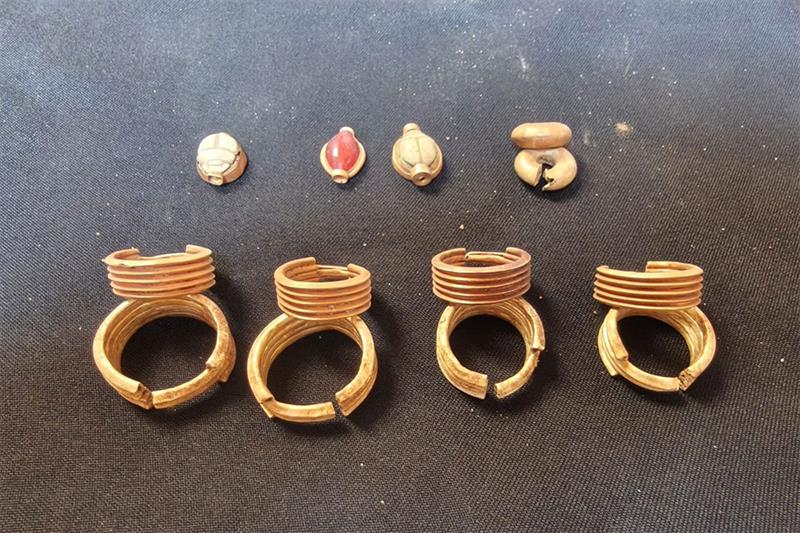
Recent excavations are fundamental in preserving the remnants of Heliopolis. Archaeologists have employed modern technology and methodologies to unearth artifacts, architectural remains, and religious symbols that speak to the city’s rich past. These findings not only reinforce the cultural narrative of ancient Egypt but also offer new perspectives on various historical transitions, such as the changes in worship practices and economic systems. By meticulously documenting their discoveries, researchers also aim to enhance public understanding and appreciation of this ancient civilization.
Challenges Faced in Excavation
Despite significant advancements, archaeologists encounter numerous challenges in their pursuit. The urban sprawl of Cairo, combined with the site’s geographical conditions, complicates excavation efforts. Seasonal flooding and subsidence jeopardize the physical integrity of the ruins, necessitating urgent protective measures. Moreover, securing funding and support for ongoing projects remains a constant hurdle. These challenges underscore the critical need for collaborative efforts between governments, private entities, and academic institutions to ensure the preservation of Heliopolis for future generations.
The Future of Heliopolis
The revitalization of Heliopolis not only serves academic interests but also has potential implications for tourism and local economies. By enhancing public access to the site, officials hope to inspire a renewed interest in Egypt’s cultural treasures. The historical narrative offered by Heliopolis can deepen tourists’ understanding of Egyptian history and attract those interested in archaeology and ancient religions. As excavations continue and new findings emerge, Heliopolis is poised to reclaim its place as a vital chapter in the tale of ancient Egypt.
In summary, the work being done at Heliopolis is more than just a restorative project; it represents a broader commitment to preserving heritage and cultural identity. As more of its secrets are revealed, the ancient city will reclaim its status as a cherished site, inviting scholars and visitors alike to explore the wonders of Egypt’s storied past.