
The evolving dynamics in the Middle East continue to captivate global attention, particularly regarding the escalating tensions involving Iran, Israel, and Hezbollah. Recent remarks from retired General Charles Wald emphasize the significance of U.S. policy in this region. Wald insists that the Iranian-backed Hezbollah is a crucial factor in the ongoing conflicts, warranting increased support for Israel. This stance aligns with the current administration’s firm policies, illustrating the need for ongoing commitment to regional stability.
The Targeting of Hamas Leaders
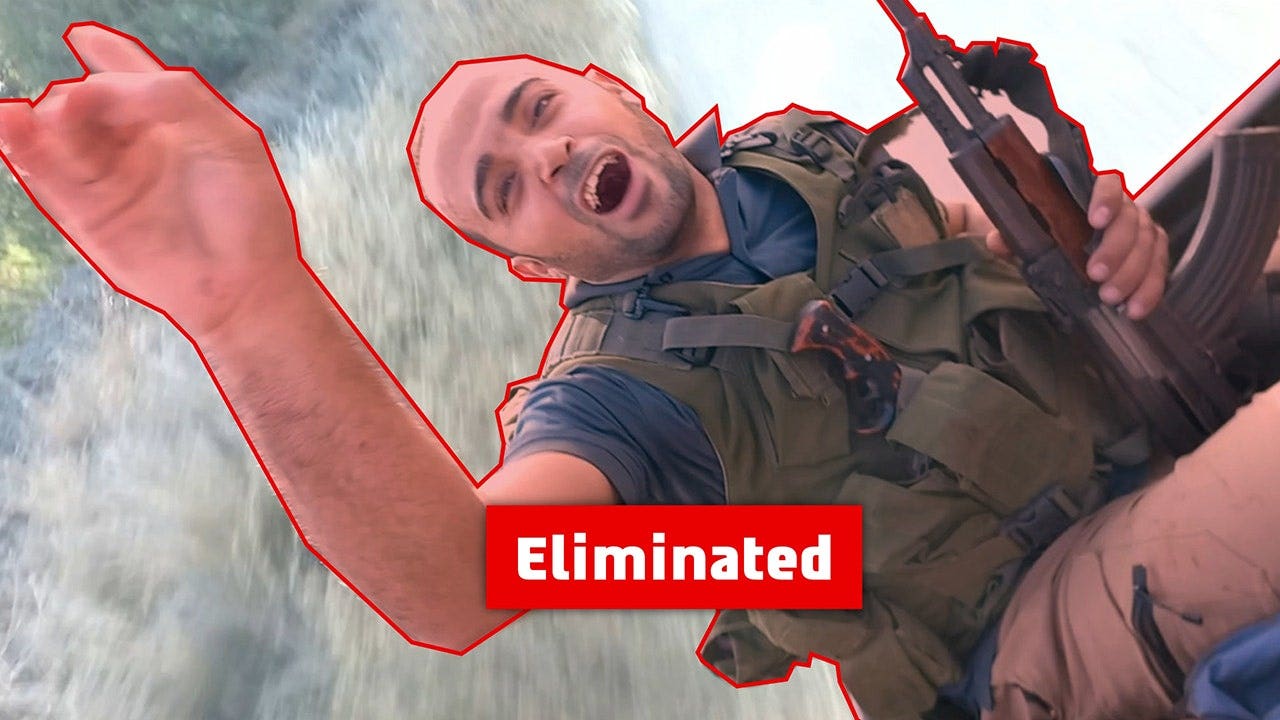
In a significant military operation, the Israel Defense Forces (IDF) announced the death of Yousef Ayesh Awad Ramadan, a deputy commander within Hamas’s Nukhba terrorist cell. This particular cell is known as the elite force of Hamas’s military wing, the Al-Qassam Brigades. Ramadan was implicated in the October 7 attack that resulted in the abduction of several individuals, including American-Israeli citizen Hersh Goldberg-Polin. The IDF stated that throughout the conflict, Ramadan posed a continual threat to both Israeli soldiers and civilians, highlighting the critical need for decisive action against such terrorist figures.
According to the IDF, Ramadan infiltrated Israeli soil during a coordinated attack and participated in the kidnapping of hostages at the Re’im Junction. This operation underscores the ongoing aggressions Hamas poses and the tactical complexities faced by the IDF in safeguarding Israel’s borders and citizens. By neutralizing influential figures within Hamas, the IDF aims to disrupt terrorist operations and significantly reduce the threat level in the region.
Hersh Goldberg-Polin’s Tragic Fate
One of the most heartbreaking outcomes from the October 7 attack was the kidnapping of Hersh Goldberg-Polin. After surviving nearly 11 months in underground tunnels under harrowing conditions, Goldberg-Polin was reportedly murdered alongside other hostages in August 2024. He became a symbol of the dangers faced by innocent civilians caught in the crossfire of ongoing conflicts. His fate received widespread international attention, and outrage over his abduction continues to resonate within Israel and beyond.
Goldberg-Polin’s abduction during a music festival represented a grim reminder of the volatility in the region. His tragic experience highlights the broader implications of hostage situations and the psychological toll on families and communities impacted by such violence. The IDF has been vocal about the threats posed by figures like Ramadan, stressing the urgency of their operations to prevent future tragedies.
The Broader Implications for U.S. Foreign Policy
The situation in the Middle East requires a nuanced understanding of international relations, especially concerning U.S. foreign policy. The complexities involved in managing alliances, particularly with Israel, necessitate a robust stance against threats from groups like Hezbollah and Hamas. Retired General Wald’s insights serve as a critical reminder of the importance of maintaining strong support for Israel amid ongoing conflicts.
The U.S. must balance its diplomatic strategies with practical military support to ensure the safety of its allies while addressing the underlying causes of conflict. As tensions continue to rise, the importance of active engagement and collaboration within the international community cannot be overstated. A comprehensive approach is necessary to foster stability in the region and prevent further violence and loss of life.
In summary, the recent military operations against Hamas leadership highlight the urgent need for decisive action to combat terrorism in the Middle East. While the narratives involving hostages like Hersh Goldberg-Polin evoke a profound emotional response, they also underline the complexities of regional security. As the U.S. navigates its role, the imperative for a careful yet assertive policy framework remains ever-present.