
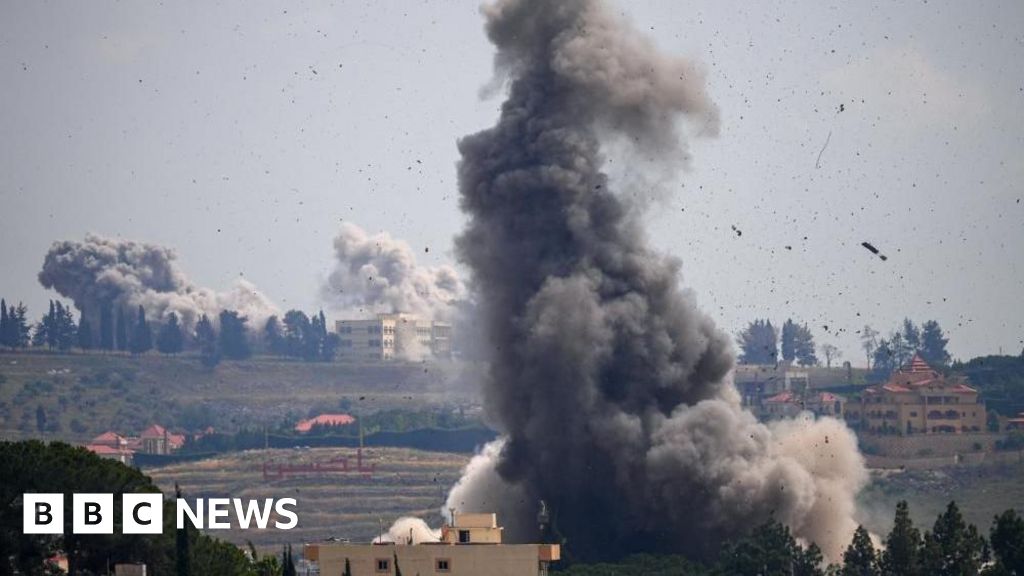
Israel’s military operations in southern regions have gained significant attention, especially following the recent diplomatic developments. With the U.S. stepping in to broker a deal, the situation remains dynamic as the conflict evolves.
Current Military Actions in Southern Israel
The Israeli defense forces are actively engaged in military operations across southern territories. These actions are part of a broader strategy aimed at addressing security concerns and responding to threats from militant groups operating in the area. Despite ongoing airstrikes and ground engagements, the focus remains primarily on minimizing civilian casualties while neutralizing potential dangers. The complexity of the situation is heightened by the geographical and political landscape, making the military’s objectives both challenging and crucial for national security.
The U.S. Mediation Efforts
In light of escalating tensions, the United States has intervened to facilitate dialogue and negotiation efforts. The recent agreement aims to prevent further escalation of violence, particularly targeting areas like Beirut. This strategic move reflects the U.S. commitment to stabilizing the region, balancing the need for Israeli security alongside broader diplomatic interests. As a result of these negotiations, Israeli forces have refrained from conducting strikes in Beirut, marking a significant shift in tactics. The effectiveness of this diplomatic approach will heavily depend on the cooperation of involved parties and the willingness to pursue a peaceful resolution.
Implications for Regional Stability
The ongoing military actions and the recent diplomatic efforts have profound implications for stability in the region. Strategic military operations can lead not only to immediate security improvements but also have long-term effects on relationships between Israel and its neighboring countries. As the U.S. continues to play a pivotal role in these discussions, the potential for a more stable political environment increases, albeit with many challenges ahead. Stakeholders will need to navigate complex relationships while ensuring that civilian safety remains a priority.
Future Prospects and Challenges
Looking ahead, the situation demands a careful balance between military action and diplomatic efforts. The potential for renewed hostilities remains a concern, particularly in light of historical grievances and ongoing provocations. However, with continued engagement from international mediators like the U.S., there is hope for a more peaceful resolution. The region’s stability hinges on the ability to foster dialogue, engage in transparent negotiations, and prioritize humanitarian considerations.
The developments unfolding in southern Israel and its broader implications accentuate the need for a multi-faceted approach. With the involvement of international stakeholders, the prospect of achieving a lasting peace may seem more attainable, yet vigilance and collaboration will be essential in navigating the path forward.