
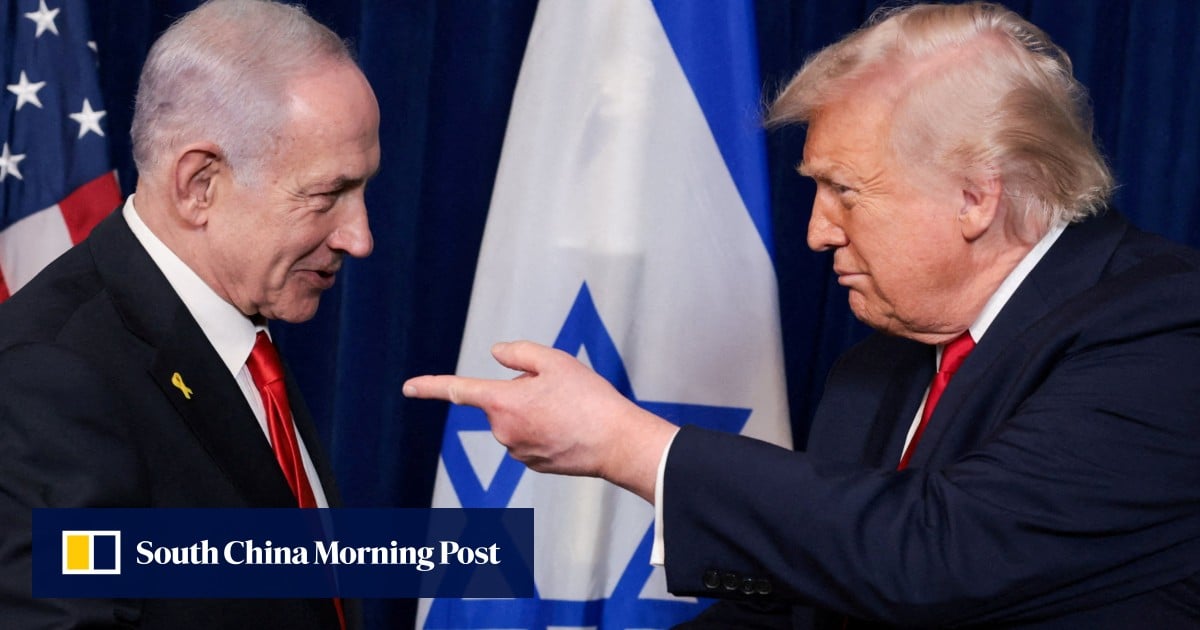
Donald Trump and Benjamin Netanyahu, once aligned in their aggressive stance toward Iran, now find their relationship teetering on the edge of strain. Recent reports revealed that Trump unleashed a furious outburst during a phone call with the Israeli Prime Minister, labeling him “crazy.” This tension highlights the fragile alliance between two leaders, both of whom are feeling the political pressures stemming from ongoing conflicts in the Middle East.
Strained Diplomatic Relations
The recent telephone exchange between Trump and Netanyahu underscores a deepening rift in their relationship. Axios and ABC News disclosed that Trump’s exasperation was largely aimed at Israel’s threats to target Beirut, a move he believed could disrupt delicate negotiations with Tehran. The fallout from such aggressive military posturing not only affects regional stability but also places both leaders in politically precarious positions. As international scrutiny grows, the rift highlights how two right-wing allies can face challenges when personal animosities intercede with diplomatic strategies.
Trump’s Economic Concerns
Amid rising tensions, Trump’s top priority is finding a way to extricate the United States from a conflict that has significantly harmed the economy. With midterm elections looming in less than six months, there is mounting pressure on the Republican Party to maintain control over Congress. As the GOP aims to rally its base, they cannot afford to appear as though they are entangled in overseas conflicts that offer no clear benefit. Critics from within his own Make America Great Again (MAGA) movement have started to surface, suggesting that Trump is being manipulated into acting on Israel’s behalf in the Iran war, placing his political future at risk.
Netanyahu’s Domestic Struggles
On the flip side, Netanyahu is grappling with his own set of challenges. His right-wing coalition government faces potential disintegration, and he is being scrutinized for yielding to Trump on security issues, including the controversial decision to halt plans for a military strike on Beirut. This internal pressure amplifies as opposition parties capitalize on his perceived inability to assert Israel’s sovereignty in necessary military operations.
The Broader Implications
The implications of the current U.S.-Israel relationship extend beyond their national interests. Both leaders recognize that failure to effectively navigate these tensions not only puts their political careers on the line but also jeopardizes regional stability. As they confront an ever-evolving geopolitical landscape, the choices they make now could determine not only their future but also the broader dynamics of Middle Eastern relations.
The complex web of alliances and enmities in the region continues to evolve, significantly affecting how both Trump and Netanyahu must operate moving forward. How they balance their domestic pressures with the need for effective international strategies will ultimately dictate their legacies in a tumultuous world. As the pressure mounts, their ability to recalibrate this crucial relationship could be seen as a critical factor in shaping political outcomes in both the U.S. and Israel.