
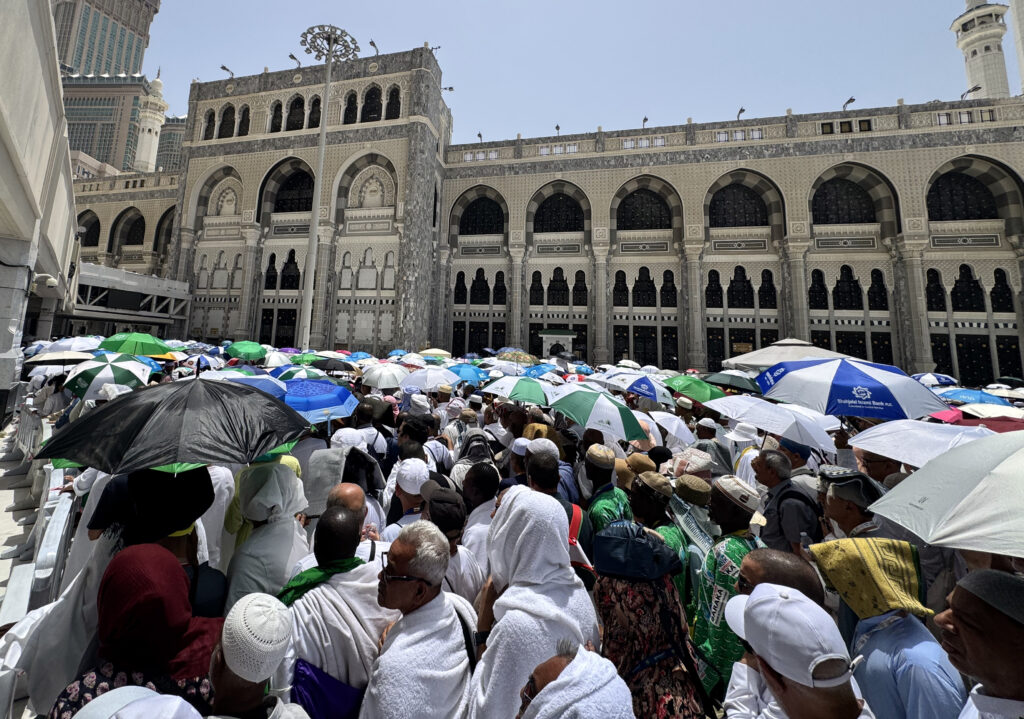
Last week, over 1.7 million individuals gathered for the annual Islamic pilgrimage known as Hajj in Mecca, Saudi Arabia. This event stands as one of the largest mass gatherings globally, attracting Muslims from all corners of the world who seek to fulfill one of the five pillars of Islam.
Dangers of Extreme Heat During Hajj
While performing Hajj is a vital duty for many Muslims, the increasing threat of extreme heat poses a significant risk to participants. During last year’s pilgrimage, which fell in mid-June, over 1,300 pilgrims tragically lost their lives, primarily due to heat-related ailments exacerbated by temperatures soaring above 125 degrees Fahrenheit and high humidity levels. As the Islamic lunar calendar shifts annually, the timing of Hajj varies; for the next several years, the pilgrimage will likely occur during cooler months. However, recent analyses indicate that the window for a heat-safe pilgrimage is rapidly closing.
Research shows that climate change is amplifying temperatures during what were traditionally milder seasons. In response, Saudi Arabia has implemented various heat-mitigation strategies, such as providing shade, free drinking water, and air-conditioned transportation. Despite these efforts, experts warn that increasing global temperatures driven by carbon emissions may outstrip the effectiveness of current measures. This calls for a more strategic focus on reducing emissions to safeguard the future of this sacred journey.
Acclimation Challenges for Pilgrims
The pilgrimage itself spans five to six days, requiring participants to traverse long distances through the Saudi desert while visiting significant religious sites. Many pilgrims arrive from cooler climates, often not acclimatized to the extreme heat prevalent in the region. This is particularly concerning for older attendees, many of whom are over 65, and those with pre-existing health issues. A study has documented that in 2024 alone, pilgrims experienced an extraordinary 43 hours of heat exposure beyond the limits of human tolerance.
The preparations made by the Saudi authorities to combat heat stress include shaded areas and misting stations. These efforts have notably reduced cases of heat exhaustion in recent years. However, many pilgrims face barriers to accessing these resources, particularly those without proper permits. Official reports indicate that a significant number of casualties among pilgrims during the 2024 Hajj came from individuals who were not registered for the event, which prevented them from utilizing critical cooling facilities.
The Impact of Climate Change
Despite this year’s Hajj taking place in spring, temperatures still exceeded 100 degrees Fahrenheit. Reports from participants describe the challenges posed by these extreme conditions. Scientists note that the current temperature landscape in Mecca is approaching what was once typical only during the summer months. This alarming trend indicates that climate change is altering the seasonal climate norms to the detriment of future Hajj pilgrims.
Looking forward, although the Hajj will not officially coincide with summer until 2050, the risk of extreme heat is not confined to summer months. The rapid warming exacerbated by fossil fuel reliance puts millions of future pilgrims at risk, forcing them to navigate potentially hazardous conditions during their spiritual journeys. As scholars emphasize, urgent action is needed to mitigate the impact of climate change on this historic and religiously significant event.