
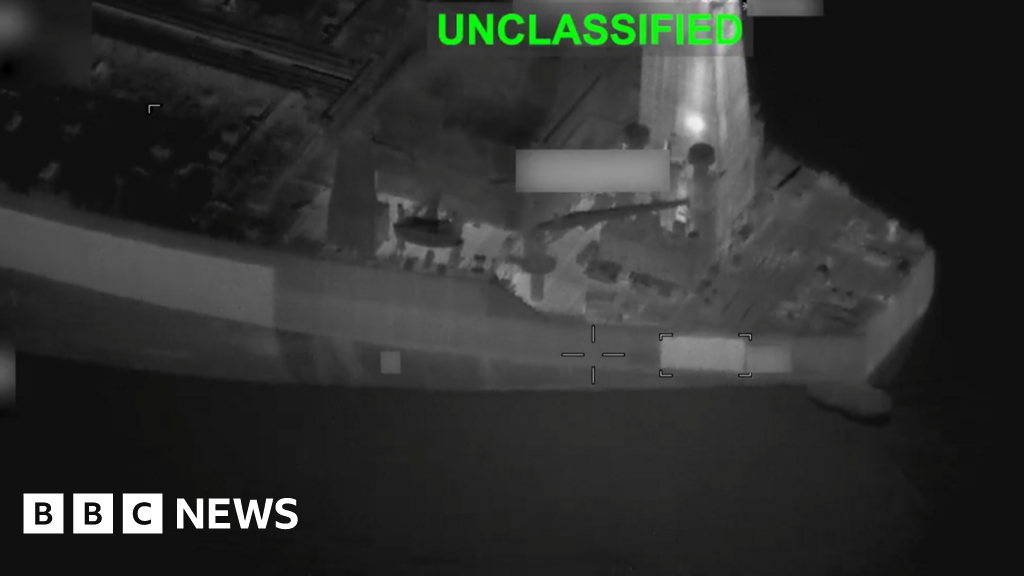
In a recent development, a naval incident in the Arabian Sea has captured significant attention due to its implications for maritime security. The U.S. Central Command reported that a vessel’s engine room sustained damage after the crew failed to heed multiple warnings. This raises important questions about safety protocols and the challenges of maintaining order amidst regional tensions.
Details of the Incident
According to the U.S. Central Command, the crew of the ship received several alerts regarding an imminent threat but did not act accordingly. The failure to respond led to a critical situation where the engine room was struck, jeopardizing the safety of the crew and the integrity of the vessel. This incident serves as a reminder of the high stakes involved in naval operations, particularly in strategically important waterways.
Implications for Maritime Security
The incident highlights the growing concerns regarding maritime security in the region. With increasing tensions among various countries, ensuring safe passage for commercial vessels has become a paramount concern. Such occurrences not only threaten the vessels involved but also have broader implications for global trade and regional stability. The response protocols employed by naval personnel come under scrutiny, as it is essential to evaluate how such warnings are communicated and acted upon.
The Role of Technology in Prevention
Advancements in maritime technology play a crucial role in enhancing communication and situational awareness for crews operating in high-risk areas. Systems designed for detection and threat assessment can potentially reduce instances where warnings go unheeded. The integration of automated alerts and real-time data sharing could pave the way for more effective responses to threats, thereby improving overall safety in maritime navigation.
Conclusion: The Need for Lessons Learned
This incident should serve as a critical point for reflection within the maritime community. Organizations must assess current protocols and invest in training programs that emphasize the importance of following safety alerts. Ultimately, fostering a culture of vigilance can make a considerable difference in prevention strategies, ensuring that naval operations do not succumb to lapses in judgment or communication failures. Enhanced preparedness is crucial, as global maritime traffic continues to intersect with geopolitical tensions.