
Arab nations in the Persian Gulf are concerned about more than just Iran; they’re increasingly focused on Iraq and the challenges it presents. A frequent question among Gulf officials and analysts is, “What should we do about Iraq?” The country, once seen as a land of economic opportunity, has become a battleground marked by both U.S. and Iranian interests, complicating the geopolitical landscape of the region.
The Shift in Iraq’s Perception
Prior to the outbreak of conflict, Iraq was a promising prospect for Gulf investment and collaboration. However, the current situation reveals the country at a crossroads, heavily influenced by Iran and the United States. Iraqi territory has become a launching pad for missiles and drones aimed at critical infrastructure in the Gulf, including Saudi oil facilities, Kuwaiti border posts, and an Emirati nuclear facility. These developments have raised alarms among Gulf states, who are demanding that the Iraqi government take decisive action to restore security and stability.
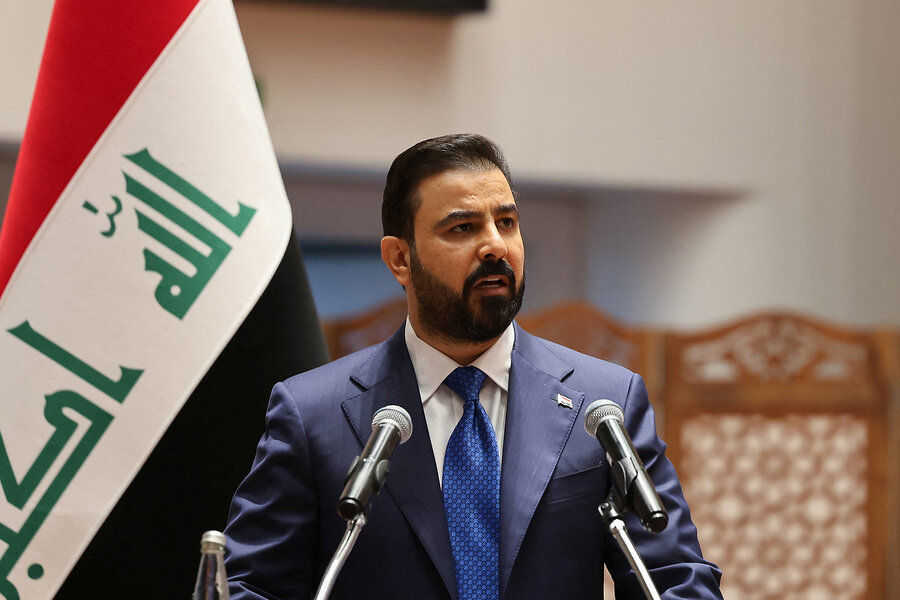
As Iraq grapples with these realities, Prime Minister Ali al-Zaidi faces an uphill battle. Endorsed by the U.S. but operating in a precarious political environment rife with Iranian-backed militias, his role is to bring order to a country in turmoil. Less than two weeks into his tenure, which began amidst one of Iraq’s most severe crises since the 2003 U.S. invasion, Zaidi has called on militia factions to bow to the authority of the Iraqi government. Observers believe his objectives include mending ties with Gulf neighbors, reining in militias, and fending off deeper involvement in the regional conflict.
Challenges of Governing Under Pressure
The stakes couldn’t be higher for Zaidi, as both American and Iranian influences loom large over Iraqi governance. The U.S. has made it clear that it expects progress on disarming militias, while Iran continues to leverage these same groups for its regional objectives. Zaidi finds himself wedged between these two competing pressures, a reality made more complex by his newness to the political arena. He has been pushed to take immediate and substantial actions that would realign Iraqi politics, particularly concerning armed factions that have historically resisted governmental control.
Despite having gained a footing in Iraq’s fractious political landscape, Zaidi’s approach remains uncertain. Observers highlight his need for a balanced foreign policy that not only addresses the ongoing militia situation but also fosters economic diversification beyond oil dependency. Recently, he made headlines by declining a substantial bribe intended to protect corrupt activities in the oil sector, a step that is viewed as an effort to assure both the Iraqi public and international audiences of his commitment to reform.
An Uncertain Future for Gulf Relations
Despite these efforts, skepticism persists among Gulf leaders regarding Iraq’s ability to govern effectively. Many officials express doubts about whether any Iraqi government can impose sufficient authority to manage the myriad factions influencing the region. The memory of being let down by previous administrations lingers, leaving Gulf states feeling burned by unfulfilled promises. Yet, the potential for Iraq to serve as a critical hub connecting Gulf economies to European markets remains tantalizing, particularly through ambitious infrastructure projects like the Development Road Project aimed at linking Iraq to Turkey.
The new prime minister must not only navigate the intricacies of a fragile internal political landscape but also reassure countries in the Gulf that he can prevent Iraq from becoming a staging ground for Iranian aggression. Analysts suggest that Zaidi’s ability to maintain neutrality while proactively addressing regional security concerns will be paramount in cementing Iraq’s place among its neighbors.
In conclusion, Prime Minister Ali al-Zaidi stands at a pivotal juncture for Iraq, where his actions could redefine relationships with Gulf states and influence broader regional dynamics. He faces the daunting task of balancing powerful external pressures while striving for internal stability. Whether he can convert rhetoric into tangible change remains to be seen, but observers agree that meaningful action is required to rebuild trust and reshape Iraq’s future.