
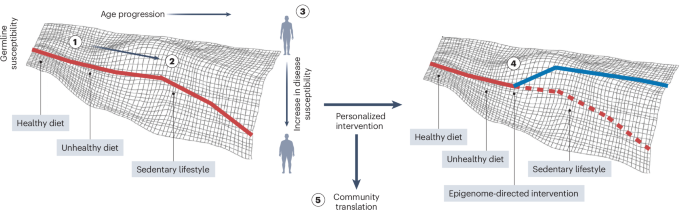
Understanding the Landscape of Collaborative Research in Medicine
In recent years, collaborative research has emerged as a pivotal force in advancing the field of medicine. By integrating diverse expertise, institutions can tackle complex health challenges more effectively. This article delves into the various dimensions of collaborative efforts across top medical and academic institutions, shedding light on the contributors and their respective domains.
Key Contributors in Medical Research
Numerous renowned institutions and specialists are at the forefront of medical research today. A prime example is the Department of Medicine at Johns Hopkins University, located in Baltimore, USA, which has become synonymous with groundbreaking studies. Notable among its scholars is Andrew P. Feinberg, who has played a vital role in advancing personalized medicine.
Similarly, the Department of Biomedical Engineering at Johns Hopkins is also making significant strides. This institution, sharing the same location as its medicinal counterpart, continues to innovate through interdepartmental collaboration. Such synergies enable researchers to approach medical problems from multiple angles, ultimately improving patient outcomes.
Another prominent player is Tel Aviv University in Israel. The Department of Bioengineering has established itself as a key contributor in various medical applications, highlighting the importance of cross-border collaborations in addressing global health issues.
Global Collaborations and Their Impact
The collaborative efforts extend beyond the borders of the United States. The Department of Computational Biology at Mohamed bin Zayed University of Artificial Intelligence in Abu Dhabi features a remarkable team including Andrew P. Feinberg, Eduardo Beltrame, and Eran Segal. This diverse consortium emphasizes the significance of harnessing technological advances to solve intricate biological problems.
Furthermore, the health sector in the UAE is witnessing significant advancements through collaboration. Researchers Mohamed Alameri and Shahrukh Hashmi are at the helm of initiatives aimed at improving public health. Their work underscores how localized efforts can align with global research trends to foster healthy communities.
In Israel, the Weizmann Institute’s Department of Computer Science has gained recognition for its innovative approaches to bioinformatics. Scholar Eran Segal exemplifies how interdisciplinary research is essential for deciphering complex health data, paving the way for future medical breakthroughs.
The Role of Institutions in Shaping Future Research
Departments like the one at Texas A&M University are also making valuable contributions. The Department of Nutrition and the Department of Cell Biology and Genetics work synergistically to study health at a cellular level, emphasizing the interconnectedness of nutrition and genetic factors in disease management. David Threadgill, associated with both departments, illustrates the benefits of integrating multiple disciplines for holistic health solutions.
The future of medical research increasingly relies on the collaborative framework established by these institutions. As the complexities of health challenges grow, the need for diverse perspectives and shared expertise will only intensify. Such collaborations not only push the boundaries of scientific understanding but also enhance the potential for innovative treatments and preventive measures.
In conclusion, the landscape of medical research is continuously evolving through partnerships among different academic and health institutions. By pooling resources and expertise, these collaborations are not only enriching scientific inquiry but are also showcasing the immense potential for improving health outcomes on a global scale.