
The ongoing conflict between the US and Israel against Iran is reshaping the dynamics within the Gulf Cooperation Council (GCC), which includes Bahrain, Kuwait, Oman, Qatar, Saudi Arabia, and the United Arab Emirates (UAE). The repercussions of this rivalry stretch beyond immediate military threats, severely impacting the region’s security, economy, and international relations.
Challenges for GCC Nations
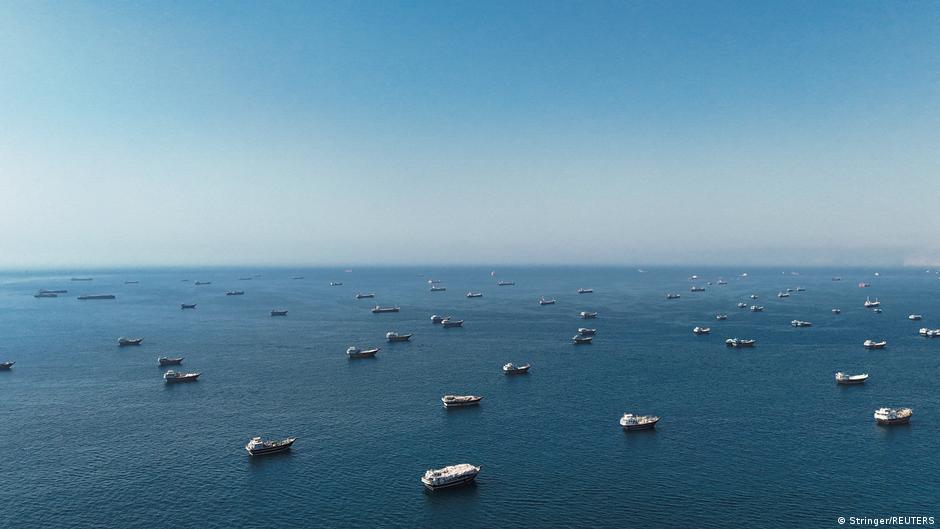
Since recent military actions initiated by the US and Israel against Iran, GCC countries find themselves in a precarious position. Despite a declared ceasefire, the region is under constant threat from a barrage of missiles and drones aimed at its critical infrastructure. Additionally, the blockade of the vital Strait of Hormuz has significantly hampered trade and fueled economic uncertainty. Gulf states are now engaged in a delicate balancing act, striving to avoid deeper entanglement in the escalating conflict while ensuring their own security.
Amid these tensions, economic diversification efforts spearheaded by Gulf nations, particularly Saudi Arabia, are being re-evaluated. Historically reliant on oil revenues, these countries are now shifting their focus to sectors like tourism, technology, and logistics as part of their long-term development strategies. However, this new emphasis on diversification faces setbacks due to insecurity in the region, complicating foreign policy and economic initiatives.
Impact on Tourism and Economic Growth
The tourism sector has already felt the sting of rising military tensions. Reports indicate that drone attacks have disrupted flights at Dubai International Airport, resulting in massive cancellations and a significant drop in tourist arrivals. Jet fuel prices have surged, further straining the already beleaguered aviation industry. Experts suggest that regional instability may tarnish the Gulf’s reputation as a travel haven, leading potential tourists to reconsider their plans.
According to Moody’s, hotel occupancy in Dubai could decline drastically from 80% to just 10% in the upcoming quarters, a grim prediction that accompanies a broader economic growth forecast reduction for the GCC from 4.4% to 1.3% by the World Bank. These economic challenges are compounded by the fact that Bahrain, Kuwait, and Qatar continue to struggle with disrupted oil and gas exports, putting further strain on their economies.
Energy Infrastructure and Regional Stability
Iran’s aggressive tactics have not only targeted civilian sectors but also crucial energy infrastructures within the region. For example, the state-owned QatarEnergy noted that the damage inflicted on its Ras Laffan industrial complex from missile strikes could take five years to fully repair. Meanwhile, the strategic Strait of Hormuz remains a crucial yet contested waterway, influencing global oil prices and shipping routes.
In contrast to their neighbors, Oman, Saudi Arabia, and the UAE benefit from alternative export routes that mitigate some adverse effects of the blockade. Saudi Aramco has reported an impressive 26% profit increase in the first quarter of 2026, indicating some resilience amid broader turmoil. Recent decisions by the UAE, such as its departure from OPEC, highlight a strategic pivot toward independent energy policies aimed at maximizing domestic advantages.
The Future of Gulf Security and Governance
Looking ahead, analysts suggest that a ‘new normal’ is emerging in which Gulf states will need to recalibrate their approach to security and governance in response to the ongoing conflict with Iran. As many view Iran as a persistent threat, there is an expectation that this will force Gulf nations to take greater responsibility for their regional security. Reports have indicated that the Gulf states are forming new defense alliances to address these evolving challenges.
Moreover, recent crackdowns on free speech highlight the increasing authoritarianism in the region, as reported by organizations like Amnesty International. The political landscape may evolve as governments respond to perceived threats by stifling dissent and promoting narratives favorable to their interests. While the actions taken may stem from wartime urgency, they also reflect deeper insecurities about maintaining control in an increasingly volatile environment.
As regional tensions continue to unfold, the GCC’s future hinges on balancing economic diversification, security challenges, and external diplomatic relations, all while managing the complex dynamics introduced by the US-Iran conflict.