
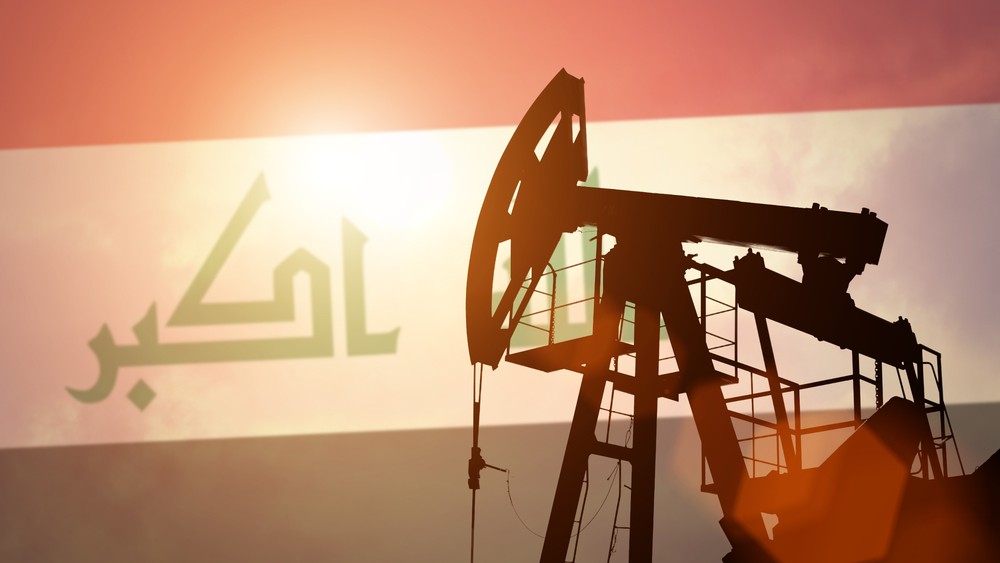
Iraq’s Prime Minister Ali Falih Al-Zaidi has recently issued a directive for oil companies in the semi-autonomous region of Kurdistan to resume their operations. This decision comes in light of ongoing challenges related to oil exports, notably due to the unofficial closure of the Strait of Hormuz, a critical passage for crude oil transport.
Restarting Oil Operations in Kurdistan
During a meeting with executives from various oil companies and representatives of the Kurdistan Regional Government (KRG), Prime Minister Al-Zaidi emphasized the importance of collaborative efforts to create a conducive environment for operations. The directive highlights the necessity of addressing essential requirements to support this endeavor. Companies like Norway-based DNO, which had halted operations following the onset of hostilities, have shown renewed activity. DNO restarted its field operations shortly after the ceasefire in early April, including maintenance of existing wells and an ambitious drilling campaign aimed at boosting production rates from key fields like Tawke and Peshkabir.
Boosting Iraq’s Oil Exports
The resurgence of oil supply from Kurdistan is anticipated to significantly enhance Iraq’s overall crude exports. The country has faced a drastic decrease in oil shipments from its southern port of Basrah due to the restrictions at the Strait of Hormuz. Oil flow from the Kurdistan region to the Turkish port of Ceyhan could play a critical role in stabilizing Iraq’s economy at this challenging juncture. Prime Minister Al-Zaidi has acknowledged the substantial financial impact of reduced oil exports and stressed the urgent need to mitigate these losses by addressing the production hurdles that lie ahead.
Plans for Increased Export Capacity
Strategically, Iraq aims to triple its pipeline crude oil exports from Kurdistan to Ceyhan over the next three months, benefiting significantly from OPEC’s adjusted production levels. The Iraqi government recently approved plans to escalate crude exports to 770,000 barrels per day (bpd), up from the current output of approximately 220,000 bpd. This ambitious plan reflects Iraq’s position as the second-largest producer in OPEC and underscores its resilience in navigating current geopolitical challenges.
In summary, the revitalization of oil operations in Kurdistan, coupled with expanded export capabilities, presents a crucial opportunity for Iraq. As the country grapples with the repercussions of the closed Strait of Hormuz, the adaptability of its oil sector could play a pivotal role in its economic stability. Increased production from Kurdistan not only serves the regional interests of Iraq but could also help stabilize global oil markets impacted by these disruptions.